2026 Top Monitoring Device Types for Global Buyers
Monitoring Device markets are entering 2026 with broader applications and higher buyer expectations. Wearable health trackers, remote patient monitoring systems, industrial sensors, environmental monitors, asset trackers, and smart security devices now serve different operational needs. IoT Analytics estimated that connected IoT devices reached 18.8 billion globally in 2024. This expansion creates opportunity, but also confusion for international buyers.
The World Health Organization continues to promote digital health systems that improve access, continuity, and evidence-based care. Meanwhile, market reports from Grand View Research and MarketsandMarkets indicate continued growth in wearable devices and remote monitoring technologies. These reports point toward stronger demand for real-time data, cloud connectivity, low-power operation, and interoperable platforms. However, forecasts are not guarantees.
“The future of medicine is the individual, not the population,” wrote Eric Topol, a leading digital medicine expert and author. His observation helps explain the shift toward personalized Monitoring Device solutions. A wrist sensor may track heart rate during exercise, while an industrial monitor detects vibration beside a factory motor. Different environments require different specifications.
Not every device performs equally.
Global buyers must examine measurement accuracy, battery life, data security, certifications, software compatibility, warranty support, and local service capability. A low-cost sensor may look attractive until heat, dust, weak connectivity, or calibration problems appear. Price alone is an incomplete decision.
This guide reviews the top Monitoring Device types for 2026. It compares practical use cases, technical strengths, limitations, and purchasing considerations. Some categories will grow rapidly. Others may need more careful validation before widespread adoption. That uncertainty deserves attention.
Monitoring Device Categories and Their Core Functions
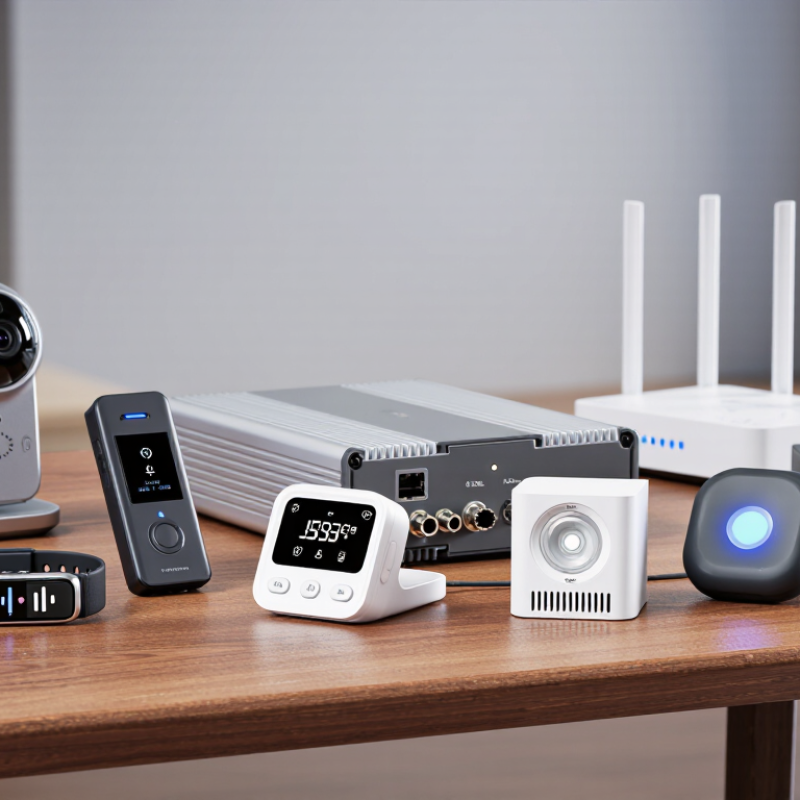
Monitoring devices differ by the condition they observe and the decision they support. Medical devices track temperature, blood pressure, oxygen levels, heart rate, and other vital signs. Their core function is early change detection, not diagnosis alone. Industrial sensors measure pressure, vibration, flow, temperature, and equipment status. They help maintenance teams identify abnormal operation before a shutdown occurs.
Environmental monitors focus on air quality, humidity, water conditions, noise, and temperature. They are useful in warehouses, laboratories, buildings, and transport containers. Location and motion devices record position, movement, impact, or unauthorized opening. Their value depends on reliable connectivity, accurate timestamps, and suitable battery life. Network monitors inspect traffic, uptime, and system performance. They can reveal service interruptions and unusual access patterns.
A careful buyer should match the device type with the operating environment. Check measurement range, calibration records, sampling frequency, data storage, and alert settings. Physical protection matters in dusty, wet, or vibrating locations. During field evaluations, I prefer testing devices beside a trusted reference instrument. Small reading differences can affect maintenance decisions. No category is perfect. A low-cost sensor may save money initially but require frequent recalibration. A highly detailed system may overwhelm staff with unnecessary alerts. Data security and privacy controls also deserve close review, especially when devices collect personal or location information. Reliability is not only hardware quality; it includes clear documentation, stable software, and responsive technical support.
Key Technologies Shaping Monitoring Devices in 2026
In 2026, monitoring devices will rely less on isolated sensors and more on connected intelligence. Edge AI can process heart rate, temperature, vibration, or air quality locally. This reduces latency and protects sensitive data during unstable network conditions. The Ericsson Mobility Report projects cellular IoT connections will reach 7.4 billion by 2030, supporting wider device deployment. Still, connectivity alone does not guarantee useful monitoring.
Low-power wide-area networks, flexible sensors, and multimodal detection are reshaping device design. A wearable patch may combine movement, skin temperature, and oxygen data in one thin surface. Industrial units can pair acoustic signals with thermal images to identify equipment stress earlier. The International Data Corporation forecasts global AI spending will exceed 630 billion dollars by 2028. Buyers should examine processing limits, battery performance, calibration records, and update policies, not only advertised accuracy.
Interoperability is becoming essential. Devices using open data formats can connect more reliably with clinical, industrial, and building-management systems. Cybersecurity must cover enrollment, encryption, access control, and software maintenance. The 2024 IBM Cost of a Data Breach Report found that organizations using security AI and automation reduced breach costs by an average of 2.2 million dollars. That figure is useful, but it does not solve poor installation practices. Sensor drift remains an overlooked weakness. A device may report precise numbers while measuring the wrong condition. Independent testing, documented field experience, and transparent limitations should guide global purchasing decisions.
Top Monitoring Device Types for Global Buyers
2026 Top Monitoring Device Types for Global Buyers
Global buyers are expanding beyond basic meters when selecting monitoring devices. Environmental monitors track temperature, humidity, air quality, noise, and particulate levels. These devices support warehouses, factories, laboratories, and public facilities. A useful unit should record stable readings, show clear alerts, and retain data during network interruptions.
Energy monitors measure voltage, current, power consumption, and peak demand. They help operators identify an idle machine that still draws electricity overnight. Equipment condition monitors use vibration, heat, and acoustic signals to detect early mechanical changes. In procurement reviews, these devices often provide more value when connected to maintenance schedules. However, sensor placement can distort results. Installation deserves as much attention as the device itself.
Health and safety monitors may track body temperature, movement, location, or workplace exposure levels, depending on local requirements. Buyers should examine calibration records, testing methods, battery performance, and data protection controls. Connectivity also matters. Cellular, Wi-Fi, Bluetooth, and low-power networks perform differently across regions and buildings. A device that works well in a city warehouse may fail inside a concrete plant. No device is perfect. Suppliers should explain measurement limits, update policies, repair options, and export documentation before purchase. Small screens can also slow field inspections. A simple interface is not a minor feature; it can affect daily accuracy.
2026 Top Monitoring Device Types for Global Buyers
Comparison of core physiological parameters typically measured by major monitoring device categories.
The index counts the primary physiological measurements commonly provided by each device type. Actual capabilities vary by model, configuration, and intended clinical or home-use setting.
Industry Applications and Regional Purchasing Needs
2026 Top Monitoring Device Types for Global Buyers
Monitoring devices are becoming more specialized across hospitals, factories, farms, warehouses, and public infrastructure. Industrial buyers often compare vibration sensors, temperature monitors, air-quality meters, and power analyzers. Hospitals may require wearable vital-sign monitors, bedside systems, and remote patient devices. Agriculture depends on soil moisture, weather, and irrigation monitoring. Each application needs different accuracy, battery life, installation methods, and maintenance schedules.
Regional purchasing needs can change the decision quickly. Buyers in humid coastal areas should examine corrosion resistance and sealed enclosures. Cold regions need batteries and displays that remain reliable below freezing. Areas with unstable electricity may prioritize long battery life, solar support, or backup communication. In large warehouses, wireless range matters more than appearance. In dense cities, smaller devices and secure data handling may be more practical. Local technicians also influence the choice, because complicated calibration can delay repairs.
In procurement reviews, total operating cost deserves more attention than the initial price. A low-cost sensor can become expensive when its readings drift or replacement parts arrive slowly. Ask for calibration records, test conditions, service procedures, and realistic warranty terms. Avoid trusting laboratory accuracy alone. Field performance is often less tidy. A device may perform well in a clean test room but struggle near dust, vibration, or metal structures. Buyers should run a limited pilot and compare readings with a trusted reference instrument before placing larger regional orders.