What to Know About 35kV Class Distribution Transformers?
The 35kV Class Distribution Transformer plays a vital role in modern power systems. As cities grow, the demand for reliable electricity increases. Industry reports indicate that the global transformer market is projected to reach over $20 billion by 2028, driven by urbanization and renewable energy integration.
These transformers serve to step down voltage levels efficiently, ensuring safe distribution to residential and commercial users. However, challenges remain. Aging infrastructure and fluctuating energy demands can strain performance. Innovations in design and materials are crucial for enhancing their reliability and efficiency. Understanding these factors is essential for engineers and investors alike.
The continued evolution of technological standards calls for vigilance. Regulatory bodies push for higher efficiency but often overlook maintenance aspects. A thorough analysis of 35kV Class Distribution Transformers reveals both strengths and weaknesses in their implementation. Emphasizing expert insights and data will guide future developments.
Understanding the Basics of 35kV Class Distribution Transformers
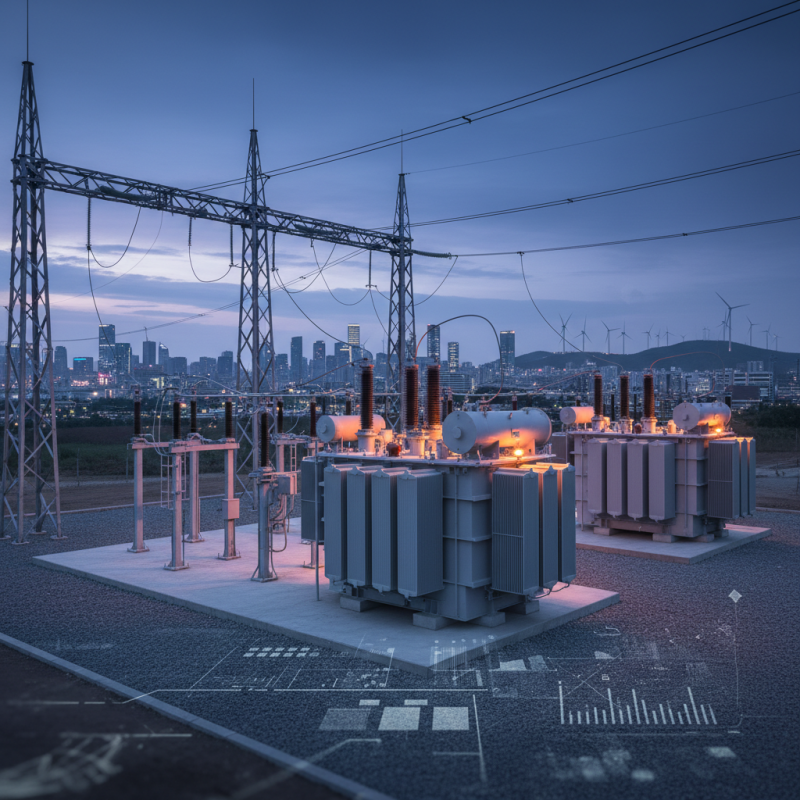
35kV class distribution transformers play a crucial role in electrical distribution systems. They effectively step down high voltage power for residential and commercial use. According to industry data from the International Energy Agency (IEA), these transformers help reduce energy loss, making power distribution more efficient. In fact, well-designed transformers can achieve over 98% efficiency rates.
Understanding the design and functionality of these transformers is essential. They typically feature a core made of high-grade silicon steel, which minimizes energy loss. The insulation system often uses durable materials to ensure longevity. Reports indicate that the global demand for 35kV transformers is expected to rise by approximately 5% annually.
However, challenges exist within this sector. Aging infrastructure poses risks, as older transformers may not meet modern efficiency standards. Moreover, environmental regulations are evolving. Companies must adapt to maintain compliance and performance. These factors highlight the need for continual assessment and upgrades in transformer technology. Addressing these issues is essential for the sustainability of power distribution networks.
What to Know About 35kV Class Distribution Transformers
| Parameter | Description | Typical Range |
| Voltage Rating | Nominal voltage capacity for distribution | 35kV |
| Power Rating | Total power output capacity | 250 kVA to 5000 kVA |
| Cooling Method | Method used to dissipate heat | Air or Oil cooled |
| Efficiency | Ratio of output power to input power | 95% - 99% |
| Frequency | Operating frequency of the transformer | 50/60 Hz |
| Transformer Type | Design and structure of the transformer | Pole mounted or substation type |
| Insulation | Material used for electrical insulation | Paper, Oil, or Polymer |
| Protection Class | Degree of resistance to environmental factors | IP20 to IP67 |
Key Specifications and Ratings of 35kV Distribution Transformers
When considering 35kV class distribution transformers, several key specifications and ratings are crucial. These transformers are designed for efficient electrical power distribution in medium voltage applications. Their primary function is to step down high voltage electricity to a lower voltage for safe usage.
A pivotal aspect to note is the transformer’s power rating, which commonly ranges from 500 kVA to several MVA. This rating affects the load capacity and determines the suitability for different applications. Insulation class also plays a significant role. Many 35kV transformers utilize high-quality insulation materials like oil-immersed or dry-type insulation. This directly impacts the longevity and reliability of the transformer.
Another critical factor is efficiency, typically around 98% or higher under load conditions. Even a slight decrease in efficiency can lead to increased operational costs over time. Heat dissipation is a challenge as well. An improperly rated transformer may face overheating issues during peak load times. Size and weight also vary widely. Lightweight designs may ease installation, but they must not compromise durability or operation. Each specification must be aligned with user requirements and environmental considerations. Reflecting on the balance of these factors is essential for optimal performance.
Distribution Transformer Ratings Comparison
Applications and Industry Use Cases for 35kV Transformers
35kV class distribution transformers play a crucial role in electrical distribution systems. They are designed to step down high voltage electricity, making it safe for use in commercial and industrial applications. These transformers efficiently manage electrical loads in urban areas, ensuring that power reaches homes and businesses without significant losses.
In industrial settings, 35kV transformers are essential for processes that require high reliability. They power machinery, lighting systems, and HVAC units. In renewable energy applications, these transformers connect wind and solar farms to the grid, facilitating the transition to cleaner energy sources. Their presence in municipal projects is evident, where they help distribute electricity across cities.
While the benefits are clear, some challenges arise. Installation can be complex and requires skilled technicians. Maintenance of these transformers is critical to avoid outages. Operators must also consider the environmental impact of their materials. A thorough understanding of system requirements is vital for effective integration. Investing in training and regular assessments can enhance performance over time.
Efficiency Standards and Performance Metrics for 35kV Transformers
When dealing with 35kV class distribution transformers, understanding efficiency standards is vital. These transformers play a crucial role in energy distribution. They convert high voltage electricity to lower levels for commercial and residential use. The efficiency of transformers can significantly impact energy consumption and operational costs.
Efficiency standards often rely on specific metrics. These include no-load losses, load losses, and overall efficiency ratings. Optimizing these metrics ensures better performance. Transformers with high efficiency can lead to reduced energy bills and prolonged equipment life. It's essential to analyze these factors when selecting a transformer for your needs.
Tip: Regular maintenance is key. Check the cooling systems and insulation regularly. This helps maintain efficiency over time. Underperformance can lead to costly repairs.
Examining performance metrics provides insight into transformer reliability. Consider both peak and average load scenarios. Inefficient transformers may struggle under heavy loads. This aspect can lead to failures and increased downtime. It's a crucial area for improvement in energy management.
Tip: Document performance data. Tracking changes over time can identify trends. Adjustments can then be made proactively to maintain efficiency. Continuous assessment ensures reliability and effectiveness in energy distribution.
Maintenance Considerations and Lifespan Factors for 35kV Transformers
Maintenance is crucial for 35kV class distribution transformers. These transformers can last 30 years or more, but regular checks can extend their lifespan. Early identification of issues prevents costly repairs. Research indicates that approximately 70% of transformer failures are linked to insulation problems. Monitoring insulation resistance and ensuring proper cooling can enhance reliability.
Factors affecting lifespan include environmental conditions, load variations, and maintenance frequency. A report from the IEEE shows that high temperatures can accelerate insulation breakdown, reducing operational life. Periodic oil testing and the inspection of electrical connections are vital. Unnoticed corrosion can lead to serious failures.
Regular maintenance can seem complex. Many operators struggle to adhere to schedules. Some utilities find it costly to invest in ongoing training. However, investing in education and preventive measures is essential. Emphasizing staff awareness is often overlooked but critical for performance. In practice, documented maintenance routines are key to achieving longevity and reliability.