A partner you can trust
Buying an Electric Rickshaw is not simply a matter of choosing the lowest showroom price. It is a decision about daily income, passenger safety, charging access, and long-term reliability. A vehicle may look polished under bright showroom lights, yet struggle on steep roads with four passengers and cargo. The real test begins outside.
Uday Narang, founder of Omega Seiki Mobility, captures this responsibility clearly: “Electric mobility succeeds when customers receive dependable vehicles, not merely attractive promises.” His point matters because practical ownership involves more than advertised range. Buyers should examine battery capacity, motor performance, payload limits, braking quality, chassis strength, and warranty coverage. They should also ask who will repair the vehicle after six months.
Small details matter. Check the tyre condition. Inspect the wiring. Sit in the driver’s seat. Listen for unusual motor noise during a test drive. Ask for written information about battery replacement costs and charging time. A claimed range of 150 kilometres may fall sharply with heavy loads, traffic, heat, or frequent hill climbs.
This guide, “7 Tips for Buying the Best Electric Rickshaw,” focuses on those real-world checks. It also considers service networks, financing clarity, passenger comfort, and resale potential. No model is perfect. Even reputable brands can have weak dealers in certain regions. That is why careful comparison remains essential.
Look beyond the brochure. Compare evidence, not excitement. A dependable Electric Rickshaw should support your work every day, not create another expensive problem.
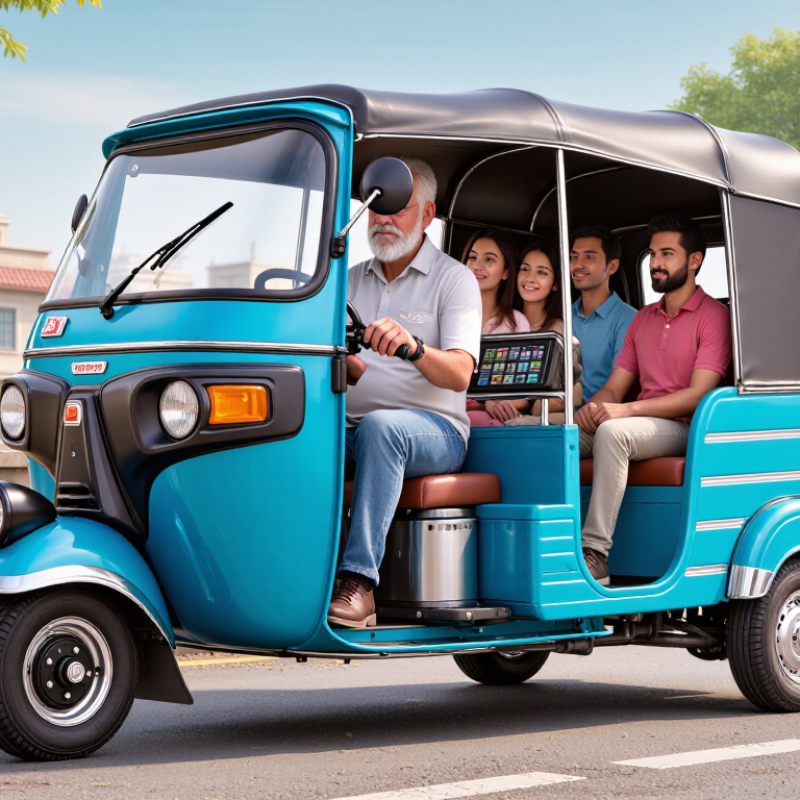
Choosing an electric rickshaw starts with its job, not its appearance. Passenger models work well for short urban trips and routine shuttle services. Cargo models use stronger frames, wider platforms, and different weight ratings. Enclosed versions offer better protection during rain, dust, and colder mornings.
Tip one: define the daily route. Flat streets, steep lanes, and rough roads demand different motors and suspension systems.
Tip two: check the payload carefully. Count passengers, tools, and cargo together. Overloading can reduce control and shorten component life.
Tip three: compare real operating range, not the advertised maximum. Heavy loads, hills, frequent stops, and cold weather reduce range. Leave a practical reserve.
Tip four: inspect charging access before purchase. A vehicle is less useful if its charger cannot reach your normal parking area.
Tip five: examine the battery warranty, replacement cost, and service availability. Battery details matter.
Safety deserves close attention.
Tip six: test the brakes, lights, mirrors, tires, seat belts, and windshield structure. Test them twice. A quiet motor does not compensate for weak stopping performance. Ask for maintenance records when buying used.
I once focused too much on battery capacity and overlooked poor suspension. That mistake made uneven roads uncomfortable and revealed how easily specifications can distract buyers.
Tip seven: match the cabin and seating layout to real passengers. A compact model may maneuver better, while a larger body may carry more but consume more energy. Confirm the rated motor power, charging time, ground clearance, and permitted road use with reliable documentation. Some sellers explain these details poorly, so verify every figure independently.
Battery range should match your daily route, not an optimistic showroom figure. Check the battery’s usable capacity, rider load, road slope, and weather conditions. A vehicle carrying three passengers uphill may travel far less than its advertised distance. Ask for a written range test under realistic conditions. During inspection, check the battery case for swelling, cracks, loose terminals, or unusual heat. These small details matter. Confirm charging time from a normal power outlet, and ask whether the charger has overheat and overcharge protection. A charging indicator should be easy to read. Also, consider your parking area. A long cable is not a substitute for safe ventilation and dry electrical connections.
Motor performance affects comfort, safety, and operating cost. Test acceleration with a passenger if possible, then listen for grinding, clicking, or sharp electrical noise. The motor should climb a familiar slope without repeated power cuts. Check whether the controller responds smoothly at low speed, especially in crowded streets. Review the rated motor power, continuous output, and maximum load together; one impressive number can mislead. Ask about service records, replacement parts, and battery warranty terms in writing. I would also compare energy use over several trips, because my first estimate was too generous. A short test ride can hide weak hill performance. Leave room for doubt.
7 Tips for Buying the Best Electric Rickshaw?
Safety should guide every inspection, not just the price. Check the frame for firm welds, stable handling, and balanced weight distribution. Test both brakes on a quiet, level surface. They should respond smoothly without pulling sideways. Look for working headlights, brake lights, turn signals, mirrors, and a clear horn. A covered battery compartment also reduces exposure to water and accidental contact. Ask for documented compliance with applicable local safety standards. Do not rely on appearance alone.
Capacity needs careful measurement. Confirm the rated passenger and load limits in the technical manual. Three narrow seats may feel less practical than two wider seats. Sit inside and check knee room, handholds, entry height, and space for small luggage. Uneven passenger weight can affect steering and braking. Try a short test drive with realistic weight. That detail matters. Sellers may describe maximum capacity, while daily comfort requires a lower number.
Comfort includes more than soft cushions. Examine suspension movement over a small uneven surface. Listen for rattling, harsh impacts, or unusual motor noise. A useful roof should block strong sunlight without trapping hot air. Ventilation openings, washable seat materials, and adequate legroom help during longer trips. Check whether the step becomes slippery when wet. I would also inspect service access and maintenance records. This part is easy to overlook. A comfortable vehicle that is difficult to repair may become an expensive compromise.
Comparing safety features, passenger capacity, and comfort
How to use this chart: Typical electric rickshaws are commonly configured for three to eight passengers, with payload capacity increasing as the vehicle size grows. Select a model with enough capacity for regular use without exceeding its rated payload.
The chart uses typical non-branded specification ranges commonly published for electric rickshaw configurations. Actual capacity and payload limits vary by vehicle design and local regulations.
A reliable electric rickshaw starts with careful inspection, not attractive paint.
Check the frame joints, floor panels, roof supports, and door hinges for weak welds or uneven gaps. Press the body panels gently; excessive movement can suggest thin materials. Sit in the driver’s seat and listen for rattles during a short test drive. Solid construction should feel stable on rough streets, not only on smooth showroom floors.
Maintenance needs can determine the real cost of ownership.
Ask how often the brakes, tires, suspension, battery connections, and cooling system require inspection. Look for accessible service points and clearly labeled wiring. A simple dashboard helps drivers notice battery temperature, charging faults, and unusual power loss. Keep written service records. They expose repeated problems more honestly than sales promises.
I once ignored a loose connector because the vehicle still moved. That small mistake caused an avoidable roadside delay.
Warranty coverage deserves careful reading.
Confirm the coverage period for the motor, controller, battery, charger, frame, and major electrical parts. Ask whether labor, transportation, and replacement components are included. Some warranties sound generous but exclude normal battery wear or water-related damage. Request the terms in writing, including claim procedures and service locations. Pay attention to response times. A long warranty is less useful when repairs require unclear paperwork or distant support.
I would also ask what happens if a covered part fails twice; this detail is easy to miss.
The sticker price is only one part of the purchase. Add battery replacement, charging, tires, insurance, permits, maintenance, and financing costs. Ask for a written estimate covering three years. A spreadsheet helps, but it can miss lost income during repairs. Leave room for surprises. Test the rickshaw on slopes, rough roads, and crowded streets. Record energy use after each trip. Advertised range may fall in rain, heavy traffic, or with extra passengers.
Seller reliability deserves equal attention. Request a tax invoice, warranty terms, service schedule, and spare-parts policy. Check whether technicians can repair the motor, controller, brakes, and battery locally. Speak with two recent customers, not only the seller’s references. Inspect the battery casing and charging connector for heat marks or cracks. Read every warranty exclusion. A long warranty means little if transport costs are excluded.
Legal requirements vary by location, so confirm them with the transport authority before paying. Check vehicle classification, registration, insurance, driver licensing, passenger limits, lighting, mirrors, and approved charging practices. Keep copies of all certificates and receipts. Ask whether commercial operation needs an additional permit. Never rely on verbal promises. Regulations can change, and an informal answer may become an expensive mistake.
This content is restricted to site members. If you are an existing user, please log in. New users may register … LEARN MORE “Lighting Power & Control-Signal Cable”
We are here to help. You can contact us or create an account online to have access to special products, technical specifications and our new online quote tool.
ELECTRO CABLES
9 Riverside Drive
P.O. Box 276
Trenton, Ontario
CANADA K8V 5R5
N.A. Toll Free: 888-ELECTRO
(1-888-353-2876)
World: 613-394-4896
Fax: 613-394-4101
Email: sale@machinecables.com
We manufacture cables that are certified by the Canadian Standards Association (CSA), listed by Underwriters Laboratories and/or listed by Intertek (ETL).
Our quality management system is registered to ISO 9001: 2015. Our team is dedicated to consistently providing quality service and products to our customers.

© 2025 ELECTRO CABLES • SITE BY SNAP 360•