A partner you can trust
Choosing the right Vacuum Air Flow Meter can determine whether a vacuum system runs smoothly or produces confusing test results. A meter may look accurate on paper, yet perform poorly when exposed to pulsating flow, dust, temperature changes, or limited installation space. Engineers and maintenance teams should examine more than the advertised flow range. Gas type, operating pressure, accuracy, repeatability, response time, and connection size all influence measurement quality.
This guide presents seven practical tips for making a more reliable choice. It considers how the meter will be used, not only how it is listed in a catalog. A technician checking a small vacuum chamber may need a different instrument than a manufacturer monitoring a production line. That difference matters. Calibration records, traceability, display readability, data output, and supplier support also deserve attention. A trusted manufacturer should explain uncertainty clearly and provide usable technical documentation. Vague specifications are warning signs.
No meter is perfect.
Real installations are often less tidy than laboratory tests. A device that performs well under stable conditions may react slowly when the pump cycles or the pressure changes suddenly. It is also easy to select a model with impressive accuracy but unsuitable fittings or an inadequate pressure range. That mistake can waste time and money. These tips encourage careful comparison, practical testing, and honest reflection about the measurement environment. The best Vacuum Air Flow Meter is not always the most expensive one. It is the instrument that delivers dependable readings under the conditions your system actually creates.
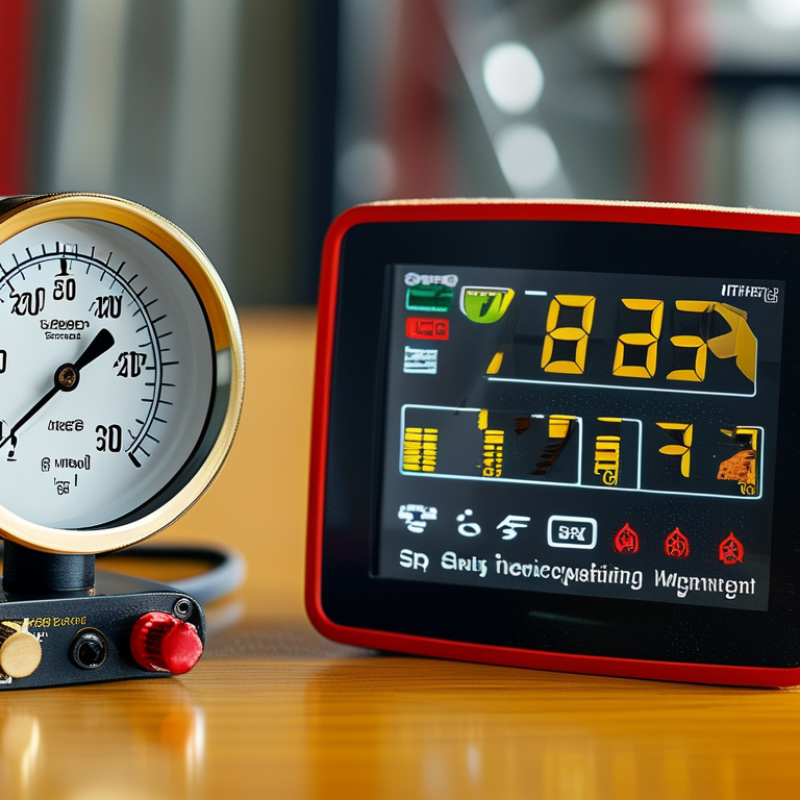
Choosing a vacuum air flow meter begins with understanding what the system must measure. Record the expected flow range, inlet pressure, gas type, and operating temperature. A meter designed for rough vacuum service may perform poorly under high vacuum conditions. Small leaks can also distort readings, especially when flow rates are low.
I once saw a stable-looking reading change after a narrow connector was installed. The restriction altered the local pressure and made the original measurement less useful. Check the internal diameter, connection style, and straight pipe length around the meter. Confirm whether the system needs mass flow or volumetric flow. These values are not interchangeable when pressure and temperature change.
Consider response time and accuracy together. Fast response helps with pulsing pumps, but excessive sensitivity can display distracting fluctuations. Define the acceptable error before comparing instruments. For example, a laboratory setup may need finer resolution than a production line monitoring a steady evacuation cycle. Also review the display units, output signal, data logging method, and calibration interval.
Do not ignore contamination. Oil vapor, dust, or moisture may affect the sensing element and create gradual drift. Ask for calibration records and verify the meter against a known reference during commissioning. The reference itself may be imperfect, so record temperature and pressure during the check. A practical selection leaves enough measurement range above normal operation, while still detecting the smallest flow that matters.
Select a meter technology suited to the gas and vacuum range. A thermal mass meter can work well with clean, stable gases, but gas composition affects its reading. For mixed or changing gases, verify the calibration data carefully. Avoid assuming that one meter fits every application. It may not.
Check the expected pressure, flow range, and flow regime before choosing. At low pressure, gas molecules behave differently, and some technologies lose accuracy. A volumetric meter may suit higher pressures, while a specialized vacuum sensor may perform better in rarefied conditions. Review accuracy across the entire operating range, not only at the preferred setpoint.
Small details matter. Confirm the response time, pressure drop, and leak tightness. A slow response can cause overshoot during pump control. Excessive pressure drop can distort the process itself.
Match wetted materials with the gas, temperature, and moisture level. Confirm whether the meter tolerates condensation, particles, or corrosive compounds. Installation direction and straight-run requirements also deserve attention. Calibration should be traceable and performed at conditions resembling actual use. This is often overlooked. Record the gas type, pressure, temperature, and uncertainty during verification. A meter that performs well in a laboratory may behave differently beside a vibrating pump. Allow room for that possibility.
Accuracy is meaningful only under stated conditions. Check the calibration range, gas type, temperature, and pressure used during testing. Do not trust a large accuracy claim without its reference conditions. Ask for a traceable calibration certificate and its uncertainty value. That detail reveals how dependable the reading may be.
Resolution affects small-flow measurements. A display showing many digits can still be misleading. Compare the smallest readable increment with your process requirement. Check response time, repeatability, and zero stability as well. Read the specification carefully. Marketing language sometimes hides practical limits. Consider whether the meter measures actual flow or standardized flow. Those values are not interchangeable.
Operating pressure limits require equal attention. Confirm the minimum and maximum absolute pressure, not only gauge pressure. A vacuum system may experience sudden pressure recovery or pump transients. The meter must survive those events without losing calibration. Check inlet and outlet pressure differences, temperature limits, fittings, and leak sensitivity. Install it away from vibration and strong heat sources. Watch the zero after installation. Stay skeptical.
I once focused on resolution and overlooked pressure recovery. That mistake made the selected meter unsuitable. Leave a safety margin around the stated pressure range. Allow time for stabilization before recording readings. Review calibration intervals according to use, contamination, and drift. Keep test records with pressure, temperature, and flow conditions. Perfect selection is unlikely; careful verification is still possible.
7 Tips for Choosing a Vacuum Air Flow Meter
Tip 1: Check the installation space before comparing specifications. Confirm port size, orientation, tubing length, and access for reading the display. A compact meter may fit neatly, yet awkward connections can create leaks. Tip 2: Match the meter’s flow range to your normal operating range, not only the maximum value. Readings near the lower limit often become less stable. Tip 3: Consider gas type and temperature. Air is common, but temperature changes can affect measurement accuracy and repeatability.
Tip 4: Ask how calibration is performed and documented. Choose equipment with traceable calibration records and a stated uncertainty. Tip 5: Plan a simple verification routine using a reference device or controlled leak. Calibration is not a one-time purchase decision. I have seen accurate meters lose usefulness when verification intervals were ignored. That mistake is easy to repeat. Tip 6: Inspect maintenance needs closely. Removable filters, accessible seals, and clear cleaning instructions can reduce downtime. Avoid designs that require complete disassembly for basic inspection.
Tip 7: Review safety requirements around vacuum collapse, pressure changes, electrical connections, and contaminated lines. Install isolation valves where technicians may need to remove the meter. Keep the sensor within its rated limits. Label flow direction clearly. A final practical check is often overlooked: ask whether a trained operator can understand the readings during a busy shift. If not, the installation may still need improvement.
Assess installation, calibration, maintenance, and safety needs before selecting a meter.
The planning scores use a practical 1–5 engineering scale, where 5 indicates a critical selection factor. Confirm the meter’s vacuum range, flow range, gas compatibility, installation requirements, calibration traceability, maintenance access, and safety suitability for the actual process.
7 Tips for Choosing a Vacuum Air Flow Meter
A vacuum air flow meter should fit your process, not merely display attractive numbers. Tip 1: Match the measurement range to your normal operating vacuum. Oversizing can reduce accuracy during low-flow conditions. Tip 2: Check connectivity before purchase. Analog output, digital protocols, and wireless access affect installation time. A compatible interface can prevent extra gateways and wiring changes. Tip 3: Confirm data access with your control system. Test sample rates, signal stability, and software compatibility using your actual equipment.
Durability matters when meters face dust, vibration, moisture, or frequent cleaning. Tip 4: Inspect the enclosure rating and material quality. A sealed housing is useful near washdown areas, but seals can age. Tip 5: Review temperature limits, shock resistance, and sensor protection. Ask for calibration records and service intervals. In my experience, a cheaper meter becomes expensive when its sensor drifts unnoticed. That assumption needs checking under real site conditions.
Total ownership cost includes more than the purchase price. Tip 6: Compare calibration fees, replacement sensors, batteries, cables, and technician time. Tip 7: Estimate downtime during maintenance. A meter with simple diagnostics may reduce troubleshooting hours, even with a higher initial cost. Also examine warranty terms and local technical support. I would request a trial installation when possible. Specifications look convincing on paper, yet cramped panels and unstable signals can expose weaknesses quickly.
| Tip | Selection Dimension | Realistic Comparison Data | Recommended Check | Ownership Effect | Best-Fit Application |
|---|---|---|---|---|---|
| 1 | Match the Flow Range | Select a meter whose specified range covers the expected operating point. Common portable vacuum airflow ranges are approximately 0.1–100 L/min, while higher-capacity systems may require ranges above 1,000 L/min. | Keep normal operation between roughly 20% and 80% of full scale whenever possible. Confirm whether the specification is mass flow or volumetric flow. | Correct sizing reduces repeat tests, improves accuracy, and avoids purchasing a second meter for another operating range. | Leak testing, vacuum pump diagnostics, filtration testing, and laboratory airflow verification. |
| 2 | Compare Accuracy and Resolution | Typical accuracy specifications range from about ±1% to ±3% of reading, or may combine a percentage of reading with a percentage of full scale. Resolution can range from 0.01 to 1 L/min, depending on the range. | Check accuracy across the actual vacuum pressure and temperature range, not only at reference conditions. Verify repeatability and zero stability. | Higher accuracy may cost more initially but can reduce rejected products, troubleshooting time, and recalibration disputes. | Calibration laboratories, regulated production, quality control, and process validation. |
| 3 | Evaluate Connectivity | Available interfaces commonly include USB, RS-232, RS-485, analog output such as 0–10 V or 4–20 mA, and wireless connections such as Bluetooth. | Confirm connector type, communication protocol, cable length, sampling rate, software compatibility, and whether readings can be exported as CSV or similar files. | A compatible interface lowers integration labor and prevents the need for signal converters, gateways, or manual data entry. | Automated test benches, remote monitoring, production records, and multi-point data collection. |
| 4 | Check Vacuum Compatibility | Review the operating pressure range, allowable inlet pressure, gas type, temperature limits, and whether the meter requires upstream or downstream installation. Some thermal meters are sensitive to gas composition. | Confirm compatibility with the working gas, expected pressure, moisture level, particles, and fittings. Do not assume an air-calibrated meter is accurate for every gas. | Correct compatibility reduces sensor contamination, drift, premature failure, and costly process interruptions. | Dry-air systems, inert-gas testing, vacuum chambers, pneumatic components, and clean-process equipment. |
| 5 | Prioritize Durability and Protection | Portable instruments often use impact-resistant housings and may provide protection ratings such as IP40, IP54, or IP65. Wetted materials may include stainless steel, aluminum, polymers, or elastomers. | Match the enclosure rating to dust, splash, vibration, temperature, and cleaning conditions. Check the maximum pressure and overpressure protection. | A stronger enclosure and replaceable connection parts can reduce repair frequency and downtime in field environments. | Factory floors, service vehicles, field commissioning, maintenance areas, and dusty environments. |
| 6 | Review Calibration and Service Needs | Many airflow meters require periodic verification at intervals commonly set at 12 months, although the correct interval depends on usage, required uncertainty, contamination, and quality procedures. | Ask about calibration traceability, adjustment capability, turnaround time, sensor replacement, firmware updates, and availability of local service. | Shorter service lead times and replaceable sensors can lower downtime and long-term maintenance expense. | Quality systems, regulated measurement, high-use production lines, and critical equipment maintenance. |
| 7 | Calculate Total Ownership Cost | Include purchase price, calibration, batteries, cables, fittings, software, training, repairs, downtime, and expected service life. A practical evaluation period is 3–5 years. | Use: Total Cost = Purchase + Accessories + Calibration + Repairs + Downtime − Resale Value. Compare the cost per measurement, not only the initial price. | The lowest purchase price may produce a higher total cost if connectivity, calibration, batteries, or repairs are expensive. | Procurement decisions, fleet replacement, multi-site standardization, and budget planning. |
This content is restricted to site members. If you are an existing user, please log in. New users may register … LEARN MORE “Lighting Power & Control-Signal Cable”
We are here to help. You can contact us or create an account online to have access to special products, technical specifications and our new online quote tool.
ELECTRO CABLES
9 Riverside Drive
P.O. Box 276
Trenton, Ontario
CANADA K8V 5R5
N.A. Toll Free: 888-ELECTRO
(1-888-353-2876)
World: 613-394-4896
Fax: 613-394-4101
Email: sale@machinecables.com
We manufacture cables that are certified by the Canadian Standards Association (CSA), listed by Underwriters Laboratories and/or listed by Intertek (ETL).
Our quality management system is registered to ISO 9001: 2015. Our team is dedicated to consistently providing quality service and products to our customers.

© 2025 ELECTRO CABLES • SITE BY SNAP 360•