7 Best Automatic Diverter Suppliers for Global Buyers?
Choosing an Automatic Diverter supplier is not merely a pricing exercise. It affects product flow, labor efficiency, maintenance time, and customer delivery performance. For global buyers, the decision becomes more demanding because suppliers differ in engineering depth, production capacity, documentation, and after-sales support.
John J. Bartholdi III, a respected logistics engineering scholar, has emphasized a practical principle: “A distribution system should be designed around the flow of goods.” That idea remains highly relevant when evaluating Automatic Diverter manufacturers. A diverter may look compact on a factory floor, yet its sensors, belts, controls, frame strength, and software integration determine long-term performance. Small details matter. A noisy actuator can signal future maintenance trouble. Unclear technical drawings can delay installation across borders.
This guide reviews seven Automatic Diverter suppliers for international buyers. The comparison considers application experience, conveyor compatibility, customization ability, testing procedures, spare-parts access, and technical communication. It also examines whether suppliers can support different industries, including warehousing, parcel handling, food processing, and manufacturing.
No shortlist is perfect. A supplier with strong engineering may not offer the lowest price. Another may provide fast production but limited overseas service. Buyers should question impressive claims and request evidence, such as factory test records, reference projects, load ratings, and response times. The right choice depends on product dimensions, throughput, destination, and operating conditions. A careful evaluation can reduce costly surprises and create a more dependable material-handling system.
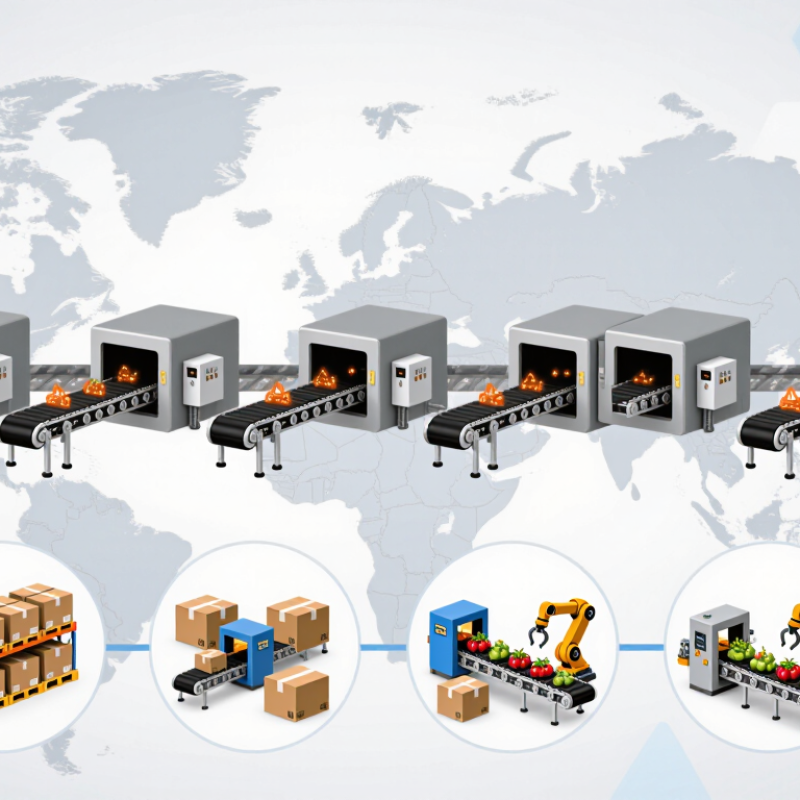
What Is an Automatic Diverter and How Does It Work?
An automatic diverter is a powered device that redirects products between conveyor paths. It may handle cartons, parcels, containers, or bulk materials. Unlike a manual gate, it reacts to control signals without constant operator movement. Its purpose is simple: send each item to the correct destination. The design becomes less simple when speed, product size, and surface friction change. Small details matter.
A typical system combines sensors, a controller, and a mechanical actuator. An entry sensor detects the approaching item. The controller checks its destination, timing, and available lane. Then, a pneumatic cylinder, electric motor, or servo moves the gate. A second sensor can confirm the item left the main path. If the signal fails, the system should stop safely or select a defined fallback route. That decision requires careful engineering.
During selection, buyers should ask about cycle speed, load limits, noise, washdown needs, and spare parts. Ask how the supplier tests alignment after repeated cycles. A diverter may work perfectly during a short demonstration, yet drift after weeks of vibration. I have seen specifications overlook sticky surfaces and irregular cartons. That is a useful warning. Request drawings, maintenance intervals, sensor settings, and performance data from comparable operating conditions. No device fits every line.
Automatic Diverter Operating Ranges for Global Buyers
An automatic diverter detects an item, sends its position to a control system, and activates a mechanical device to redirect the item to another conveyor lane. The chart compares representative conveyor-speed ranges commonly associated with major diverter mechanisms. Actual performance depends on product size, weight, spacing, controls, and conveyor design.
Reference basis: typical industrial conveyor and sortation engineering ranges; values are shown in metres per second and should be confirmed against the final application specification.
Key Criteria for Evaluating Global Automatic Diverter Suppliers
Global buyers should judge automatic diverter suppliers by evidence, not polished catalogs. The right unit must match package size, belt speed, load, and routing accuracy. Ask for tested capacity under actual operating conditions. A supplier with engineering experience will request drawings, photos, and cycle data before quoting. That matters.
A practical evaluation should include factory quality controls, material specifications, and traceable inspection records. Request sample test reports, wiring diagrams, maintenance intervals, and documented acceptance criteria. Independent certifications can support confidence, but they do not replace application testing. Test the interface. Confirm how the diverter handles uneven cartons, dust, noise, and repeated starts. Real facilities rarely behave like controlled demonstrations.
For global projects, reliable communication includes clear lead times, export documents, spare-parts lists, remote support, and local service options. References from similar facilities are valuable, especially when they describe faults, recovery time, and actual uptime. Do not judge price alone. Ownership cost often hides in downtime, custom parts, and difficult maintenance. A supplier may promise impressive accuracy, yet offer limited data for unusual products. That gap deserves honest discussion. A small pilot run can reveal assumptions before full-scale installation. No supplier is perfect. The most dependable partner explains limitations clearly and responds with measurable corrective actions.
Seven Leading Automatic Diverter Suppliers for International Buyers
Seven Leading Automatic Diverter Suppliers for International Buyers
For global buyers, the best automatic diverter supplier is rarely the cheapest option. The seven strongest supplier groups include integrated automation manufacturers, conveyor specialists, pneumatic system builders, hygienic processing equipment makers, retrofit engineering firms, regional machine builders, and export-focused distributors. Each serves a different operating environment.
Integrated manufacturers often provide controls, sensors, actuators, and commissioning support from one source. Conveyor specialists are useful when product flow, belt width, and transfer speed demand careful matching. Pneumatic builders can deliver fast switching, but buyers should check air consumption and noise levels. Hygienic equipment suppliers focus on stainless steel surfaces, sealed joints, and washdown access. Retrofit firms help modernize older lines without replacing every machine. Regional builders may offer faster site service. Export distributors can simplify documentation, packing, and spare-part delivery.
Ask for a factory acceptance test. Request wiring diagrams, material certificates, cycle-life data, and clear warranty terms. A practical trial should measure diversion accuracy, product damage, recovery after a power loss, and response time at the real line speed. Confirm voltage, language settings, customs documents, and remote support before payment. Details matter.
I have seen impressive brochures fail during dusty, humid production shifts. It happens. A supplier may also recommend a larger actuator than necessary, increasing cost and maintenance. Buyers should compare three technical proposals using the same product weight, temperature range, throughput, and installation limits. The best partnership usually comes from transparent engineering, not confident promises.
Comparing Product Range, Quality, Customization, and Support
Choosing the seven best automatic diverter suppliers requires more than checking catalog size. Global buyers should examine product range, operating temperatures, flow capacity, and installation methods. A supplier offering sanitary, industrial, and compact models can support different projects. However, broad selection does not always mean strong engineering.
Quality appears in measurable details. Ask for material certificates, leak-test records, cycle-life data, and inspection procedures. Stainless steel grades, seal performance, and actuator response deserve close attention. During factory evaluations, buyers should inspect machining marks, wiring protection, and spare-part access. Small defects often become expensive delays.
Customization can include flange dimensions, control signals, sensors, coatings, and enclosure ratings. Good suppliers clarify these options before quoting. They also explain what changes affect delivery time or maintenance. Support matters after shipment. Look for clear drawings, remote troubleshooting, replacement parts, and trained technical contacts across time zones. Response speed is useful, but technical accuracy matters more. A fast answer can still be wrong.
Real projects rarely match standard catalogs perfectly. This is where supplier experience becomes visible. Ask for documented applications with similar media, pressure, and duty cycles. References should be specific, not decorative. Some suppliers may overpromise customization, while buyers may underestimate validation work. That gap deserves honest discussion. Pilot testing is sometimes necessary, even when the specification appears complete. Reliable partnerships grow through transparent limitations, consistent quality checks, and support that continues after installation.
How to Select the Right Automatic Diverter Supplier for Your Project
Selecting an automatic diverter supplier starts with your actual process, not a polished product brochure. Define the material, flow rate, line speed, temperature, moisture, and available space. A diverter handling dry cartons may fail with dusty powder or uneven loads. I have seen projects underestimate cleaning access, then lose production time during routine maintenance. Measure the difficult conditions, too.
Ask each supplier for drawings, operating limits, cycle-life data, and test records from similar applications. Their engineers should explain actuator choice, sensor placement, control signals, and emergency stopping behavior in clear language. Request a sample layout or virtual design review. It reveals whether the supplier understands your line or is simply matching catalog dimensions. Short answers are not always efficient.
Reliability also depends on support after delivery. Check spare-part availability, response times, installation guidance, and technician training. Request customer references from comparable industries, not only large and impressive installations. A supplier with documented quality checks and traceable materials offers stronger evidence of consistency. Still, no supplier is perfect. Ask what commonly goes wrong. Honest limitations often tell you more than confident promises. Before approval, run a witnessed factory test using realistic loads, speed changes, and repeated divert cycles. Test the awkward case.