What Are the Best Environmentally Friendly Fans in 2026?
Choosing the best Environmentally Friendly Fans in 2026 takes more than checking an energy label. A fan may use little electricity yet move too little air for a warm bedroom. Another may cool a larger space efficiently but sound distracting at night. Real performance depends on airflow, power use, room size, noise, and how often the fan runs.
Energy-efficiency expert Amory Lovins is often credited with the reminder, “The cheapest energy is the energy you don’t use.” That principle helps frame this guide, but it is not the whole story. A well-sized fan can improve comfort while using less electricity than air conditioning in suitable conditions. Still, results vary with climate, ceiling height, placement, and personal comfort. Small details matter.
This overview will compare fan types and explain which specifications deserve attention. Look for measured airflow and power consumption, not vague claims such as “eco” or “green.” Consider durable materials, replaceable parts, repair options, and clear warranty terms. These factors can affect a fan’s footprint long after purchase. Not always. A highly efficient model may still be a poor fit if it is noisy, hard to repair, or too weak for the room. The comparisons ahead will weigh practical performance against sustainability claims, while noting where available product data leaves unanswered questions.
How Environmentally Friendly Fans Are Defined in 2026
In 2026, “environmentally friendly” is not one fan feature or a universal certification. It describes a product’s impact across its life: the electricity it uses, its materials, and how long it remains useful. For a fair comparison, check airflow against power consumption, not just the number of speed settings. A fan that moves more air per watt may cool a room using less energy.
Tips: Compare airflow and wattage at the same setting, when test data is available. Choose a fan suited to the room; an undersized model may run harder without helping much. Look closely. Favor replaceable parts and clear repair guidance. Packaging claims alone prove little.
Durability and end-of-life options matter too. A sturdy motor, accessible screws, and common replacement parts can help keep a fan out of the bin. Recycled materials are useful, but they do not offset high energy use or a short service life. I still find labels confusing: test conditions differ, and “eco” can be vague. Treat verified performance data and transparent material details as stronger evidence. No fan is impact-free; the practical goal is lower impact with effective airflow.
What Makes a Fan Environmentally Friendly in 2026?
Energy efficiency is one useful comparison: a fan that uses fewer kilowatt-hours for the same cooling comfort generally uses less electricity. Durability, repairability, and material choices also matter.
How to read this chart: Annual use is calculated from illustrative example power ratings at 8 hours per day for 365 days (2,920 hours per year). Actual wattage varies by model and speed; these figures are examples, not category averages. Compare a fan’s airflow and comfort at the same operating conditions, as well as its energy use.
Which Fan Technologies Use the Least Energy?
The lowest-energy fan is usually the one that moves enough air at a modest wattage, not necessarily the smallest one. Brushless DC motors often use less electricity than conventional AC motors, especially at lower speeds. They also tend to offer finer speed control. Check rated wattage alongside airflow; low wattage alone can mean weak circulation. A plug-in energy meter can reveal actual power use in your room. Numbers matter.
Blade shape and size affect efficiency. Larger ceiling fans can move broad, gentle air currents, helping a room feel comfortable without high speeds. Balanced blades also reduce wasted vibration and irritating rattles. In a bedroom, a quiet fan running steadily on low may use less energy than a small unit pushed to maximum. Ceiling height and room layout can change the result.
Timers and occupancy sensors save power only when they reduce runtime or prevent needless high-speed operation. Extra electronics do not automatically make a fan efficient. Keep blades clean, since dust can add drag. I miss that sometimes. Compare airflow per watt, then test several settings with a meter; advertised figures may not match your home.
How to Compare Fan Efficiency, Materials, and Lifespan
Choosing an environmentally friendly fan in 2026 means looking beyond its energy label. Compare airflow per watt, using figures measured at the same speed setting. A fan that moves more air with less electricity can reduce running energy, especially during daily use. Check both low and high settings. Your room size and noise tolerance matter too; an efficient fan is not useful if you rarely turn it on.
Materials and lifespan deserve equal attention. Look for clear information about recycled or responsibly sourced materials, but do not assume a metal body is automatically greener than plastic. Manufacturing and shipping also have impacts. Check whether the blades, controls, and power cord can be replaced, and whether repair instructions or spare parts are available. Small details matter. A long warranty can be helpful, though it does not guarantee easy repairs. I would weigh serviceability heavily, even when the upfront price is higher.
Tips: Measure the space where the fan will sit, then compare airflow and power use for suitable models. Keep the receipt and care instructions. Dust can collect on blades and reduce performance over time, so clean them as directed. If a control or cord fails, check for a repair option before replacing the whole unit.
Which Eco-Friendly Fan Types Suit Different Rooms?
A ceiling fan often suits a living room, where people gather and steady airflow can reach a broad area. Choose a blade span that fits the room, and look for an efficient motor with several speed settings. A fan moves air; it does not lower the room’s temperature. Used with a modest thermostat setting, it may help people feel comfortable without relying as heavily on air conditioning. Placement matters.
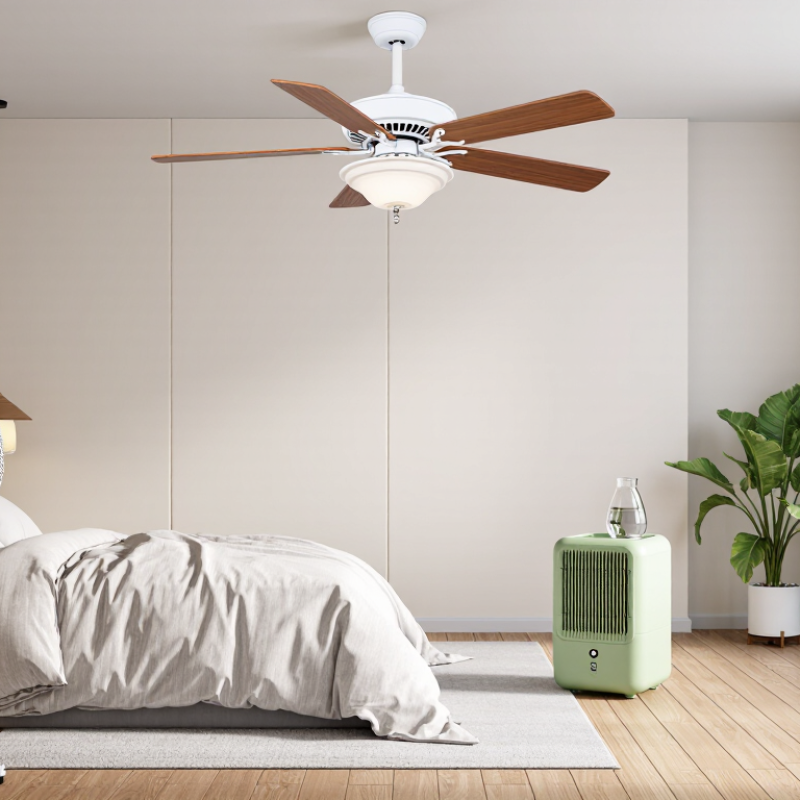
For bedrooms, a quiet ceiling fan can provide gentle airflow overnight. A tower fan may work better in a rental or a room without a ceiling fixture, especially if its controls are easy to reach from bed. Check noise at low speed, not just the advertised maximum airflow. Small desk fans suit study corners and home offices, where cooling one person is often more practical than moving air across the whole room. Less is enough.
Kitchens and humid rooms may benefit from ventilation fans that help move stale air outdoors, but these are not substitutes for a comfort fan. In a compact room, a large fan can feel awkward or create a draft; in an open living area, a small desk model may barely register. Room shape complicates neat recommendations. Compare airflow, noise, power use, and actual placement before choosing, since an efficient fan used poorly can still disappoint.
What to Consider When Choosing the Best Green Fan in 2026
Choosing an environmentally friendly fan begins with how efficiently it moves air, not just how little electricity its label promises. Compare the fan’s stated power use with its airflow and available speed settings. A model that performs well on a gentle setting may suit a bedroom better than one that needs high speed all night. Check the figures in the product specifications, and compare models using the same measurement units.
Consider where the fan will operate. In a small room, a compact desk fan may provide enough airflow without running at full power. For a larger space, a taller or wider fan may circulate air more effectively. That comparison is imperfect. Room layout, ceiling height, and open windows all change how much cooling you feel. Noise matters, too; a quiet fan is easier to use at a lower speed.
Look beyond electricity use. Durable housing, replaceable parts, and clear repair instructions can help keep a fan in service longer. Check whether the blades, grille, and motor can be cleaned without awkward tools. Small details count. A loose base or a hard-to-reach dust trap can make regular maintenance frustrating. I would also check cord length and stability before buying; a highly efficient fan is less useful if it cannot be placed safely where airflow is needed.