The Best Electric Cable Wire Types for Your Home Improvement Projects
When it comes to home improvement projects, understanding the best electric cable wire types is essential for ensuring safety and efficiency. According to John H. Frey, a leading expert in electrical engineering, "Choosing the right electric cable wire not only enhances the functionality of your project but also minimizes risks associated with electrical failures." With an array of options available on the market, from standard wiring to specialized cables, having a clear understanding of each type's characteristics can significantly influence the outcome of your renovations.
Electric cable wire types vary by specification and purpose, making it crucial for homeowners and DIY enthusiasts alike to know what suits their needs best. Whether you're planning to install new lighting fixtures, outlets, or even undertake larger renovations, selecting the appropriate cable wire helps to uphold the integrity of your electrical system, ensuring it can handle the demands of modern appliances. In this guide, we will explore the different types of electric cable wires, their particular uses, and the best practices for integrating them into your next home improvement project.
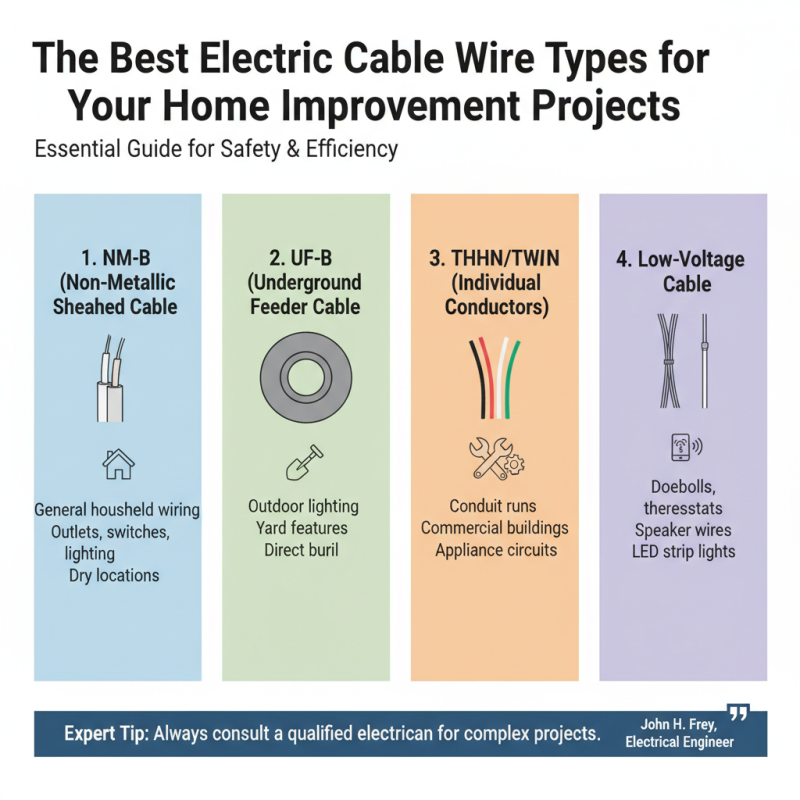
Types of Electric Cable Wires for Home Improvement
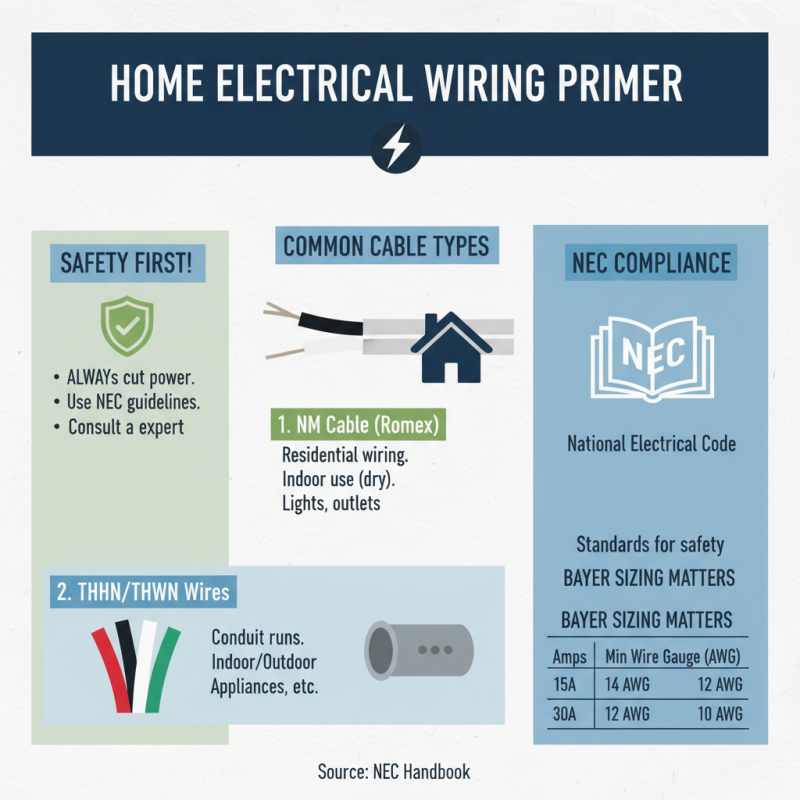
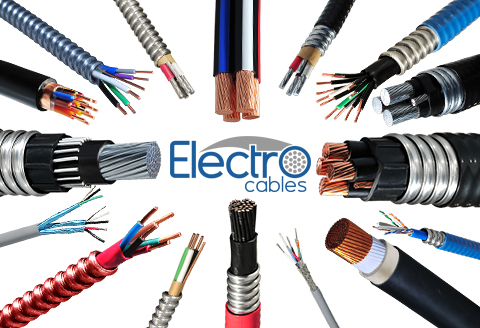
When tackling home improvement projects, understanding the various types of electric cable wires is essential for safety and effectiveness. The most common types include Non-Metallic Sheathed Cable (NM), often known as Romex, which is widely used for residential wiring. NM cable consists of two or more insulated conductors and a grounding wire, all wrapped in a plastic sheath. It is suitable for indoor use, providing a simple and efficient solution for lighting and outlets. Its flexible nature allows for easy installation in walls and ceilings, making it a popular choice among DIY enthusiasts.
Another type to consider is Armored Cable (AC), which features a protective metal sheath. This type of cable is ideal for environments where additional protection is necessary, such as in garages or outdoor settings. The metal sheathing not only safeguards the wires from physical damage but also helps to prevent electromagnetic interference, making it a reliable option for more sensitive electrical installations. Additionally, there are Low Voltage Cables, typically used for landscape lighting, security systems, and telecommunications. These cables operate at a reduced voltage, making them safer for outdoor use and lower electrical consumption. Understanding these options ensures that homeowners can make informed decisions that enhance safety and efficiency in their electrical systems.
The Best Electric Cable Wire Types for Your Home Improvement Projects
| Cable Type |
Use Case |
Wire Gauge |
Insulation Type |
Typical Application |
| NM Cable (Romex) |
Residential Wiring |
14-10 AWG |
PVC |
Indoor circuits, outlets, lights |
| THHN/THWN |
General Purpose |
14-6 AWG |
Nylon/Polyester |
Conduit systems, industrial settings |
| UF Cable |
Underground Wiring |
14-6 AWG |
PVC |
Outdoor circuits, garden lighting |
| Low Voltage Wire |
Low Voltage Systems |
16-10 AWG |
PVC |
Landscape lighting, security systems |
| Silicone Wire |
High-Temperature Applications |
18-10 AWG |
Silicone |
Automotive, appliances |
Understanding the Differences Between Cable Wire Types
When embarking on home improvement projects, understanding the different types of electric cable wires is crucial for ensuring safety and efficiency. The National Electrical Code (NEC) offers guidelines that can help homeowners determine the appropriate wire type for their specific needs. For example, non-metallic sheathed cable (NM), commonly known as Romex, is ideal for residential wiring and is suited for a variety of lighting and power applications. It provides good protection against moisture and is relatively easy to work with for DIY projects.
In contrast, if a project demands a higher level of durability and protection against environmental factors, a type of cable such as armored cable (AC) or underground feeder cable (UF) may be more appropriate. Armored cables, as defined by the NEC, have a protective metal sheath that safeguards against physical damage, making them suitable for locations where potential impacts might occur. On the other hand, UF cables are designed for underground installation and can withstand moisture, making them ideal for outdoor projects. According to a report from the Electrical Safety Foundation International (ESFI), approximately 51,000 home electrical fires occur annually, emphasizing the importance of selecting the right cable type to mitigate risks.
Understanding these differences not only contributes to the longevity and safety of electrical installations but also enhances the overall quality of your home improvement projects. A 2021 survey by the National Association of Home Builders (NAHB) indicated that 63% of homeowners prioritize electrical upgrades during renovations, underscoring the significance of selecting the appropriate wiring to meet increased demand and energy efficiency standards. By making informed choices about cable wire types, homeowners can ensure their projects are both safe and effective.
Factors to Consider When Choosing Electric Cable Wire
When embarking on home improvement projects, selecting the right electric cable wire is crucial to ensure safety and efficiency. One of the primary factors to consider is the wire gauge. According to the National Electrical Code (NEC), wire gauge determines the amount of current a wire can safely carry. For typical home wiring, 14-gauge wire is commonly used for circuit breakers of up to 15 amps, while 12-gauge wire is recommended for 20 amps. Using the appropriate gauge not only protects your electrical system from overload but also minimizes the risk of fire hazards.
Another significant factor is the type of insulation material used on the wire. Different environments may necessitate different insulation. For instance, NM (non-metallic) cable is suitable for dry locations, while UF (underground feeder) cable is designed for wet or underground installations. A study by the Electrical Safety Foundation International (ESFI) reports that improper wire type and insulation contribute to a significant percentage of residential electrical fires. Therefore, evaluating the location and environmental conditions before selecting the cable will enhance overall safety and longevity of the wiring.
Additionally, it's important to consider the intended use of the wiring. For general indoor applications, standard wires may suffice, but for specialized tasks, such as outdoor lighting or high-powered appliances, you might need cables that can withstand more stress and environmental stressors. The market trends indicate a growing preference for wire types that offer enhanced durability and flexibility without compromising on safety standards. Understanding these factors ensures that you make informed decisions, which ultimately leads to better performance in your electrical systems throughout your home.
Applications and Uses of Common Electric Cable Types
When it comes to home improvement projects, choosing the right electric cable is crucial for safety and efficiency. One of the most common types is Non-Metallic (NM) Cable, often used for residential wiring.
NM cable is ideal for interior applications such as lighting and outlets because it is easy to install and flexible, making it suitable for running through walls. The wires are protected by a plastic sheath that prevents exposure to moisture and physical damage, ensuring a secure electrical connection for standard household needs.
Another popular option is the Underground Feeder (UF) Cable, which is designed for those outdoor projects.
UF cable is built to withstand exposure to water and has a solid construction that helps it endure the elements when buried underground. This makes it perfect for applications like powering outdoor lighting, garden outlets, and sheds.
Additionally, for high-heat areas such as kitchens or garages, individuals might consider using a high-temperature-rated cable, which ensures that performance is maintained even under extreme conditions. Each type of electrical cable serves specific purposes, highlighting the importance of selecting the right one for your home improvement endeavors.
Safety Guidelines for Using Electric Cable Wires in Projects
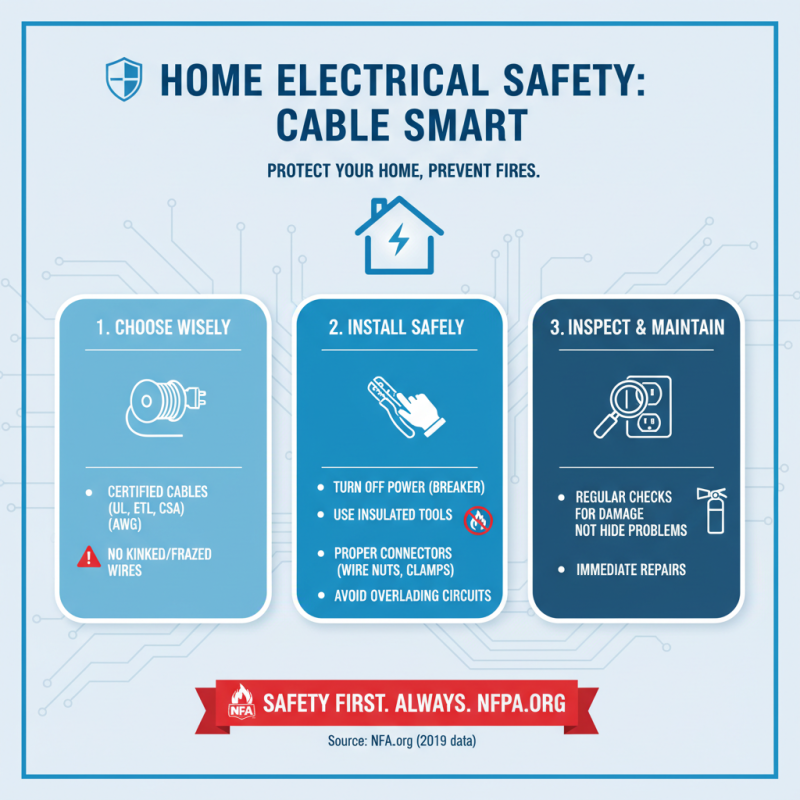
When undertaking home improvement projects that involve electric cable wires, safety should always be the top priority. According to the National Fire Protection Association (NFPA), electrical failures were responsible for an estimated 46,500 reported home structure fires in 2019 alone, resulting in hundreds of injuries and over a billion dollars in property damage. To mitigate these risks, it's essential to follow safety guidelines when selecting and using electric cables.
First, ensure you choose the appropriate type of electric cable for your specific project. For instance, non-metallic sheathed cable (often referred to as NM or Romex) is commonly used for residential indoor wiring. Conversely, if your project involves outdoor wiring, consider using UF (underground feeder) cable, which is designed to withstand moisture. Additionally, always check for the correct amperage rating for the circuit you are installing; overloading a circuit can lead to overheating and potential fire hazards. Moreover, the use of ground fault circuit interrupters (GFCIs) is strongly recommended in areas prone to moisture, such as kitchens and bathrooms, as they significantly reduce the risk of electrical shock.
Another critical aspect of safety involves proper installation techniques. Always turn off the power at the circuit breaker before starting any electrical work, and use a voltage tester to double-check that the wires are not live. It is advisable to wear appropriate personal protective equipment, including insulated gloves, to enhance safety while working. Adhering to the National Electrical Code (NEC) guidelines will further ensure compliance and enhance the safety of your electrical installations. By observing these guidelines, DIY enthusiasts can reduce the risks associated with electrical wiring and complete their projects successfully.