A partner you can trust
When embarking on home improvement projects, understanding the various types of electric cables is crucial for ensuring safety, efficiency, and compliance with building codes. Electric cables serve as the lifeline for all electrical installations, powering everything from lighting fixtures to kitchen appliances. With a wide array of options available, selecting the right electric cable can significantly impact the longevity and performance of your electrical systems.
In this guide, we will explore the best types of electric cables tailored for different home improvement needs. From the commonly used non-metallic sheathed cable to specialized types like underground feeder cable, each variant offers distinct advantages suited for specific applications. Furthermore, factors such as amperage ratings, environmental considerations, and codes will be discussed to help you make well-informed decisions for your next project. Whether you're a seasoned DIY enthusiast or a novice homeowner, understanding these essential components will empower you to create safe and effective electrical solutions in your home.
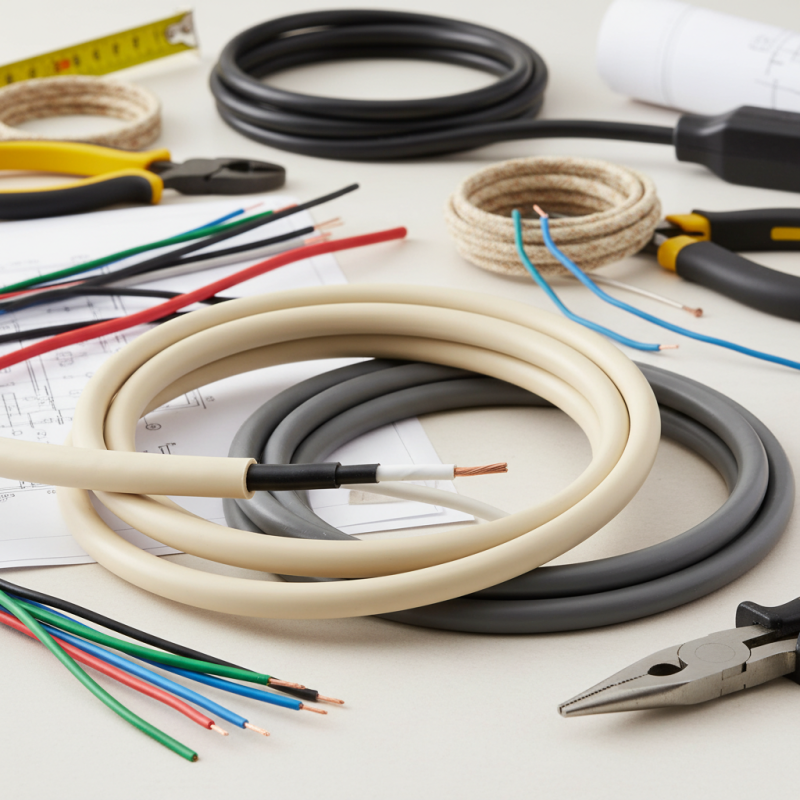
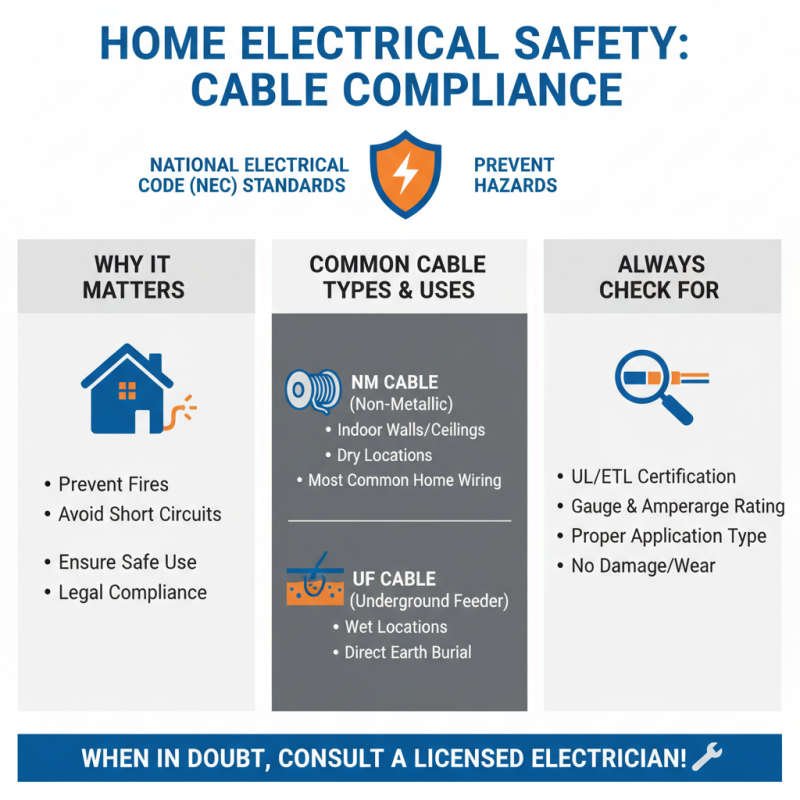
When embarking on home improvement projects that involve electrical work, understanding the different types of electric cables is crucial for ensuring safety and compliance with building codes. According to the National Fire Protection Association (NFPA), improper electrical installations are a leading cause of home fires, which emphasizes the importance of selecting the right cable. Major types of cables include Non-Metallic Sheathed Cable (NM), often referred to as Romex, and Underground Feeder Cable (UF), typically used for outdoor applications.
Non-Metallic Sheathed Cable, with its polymer jacket, is widely preferred for residential wiring due to its flexibility and ease of installation. It is rated for a maximum of 600 volts and is suitable for many indoor applications, including outlets and lighting circuits. In contrast, UF cable is designed for direct burial and can withstand moisture, making it ideal for outdoor lighting or wiring to sheds.
The National Electric Code (NEC) recommends using UF cable when running circuits underground, underscoring its durability against environmental factors. Industry reports suggest that using the correct type of electrical cable can reduce installation costs and minimize long-term repair expenses due to damage or malfunction.
When choosing electric cables for home improvement projects, there are several key considerations to keep in mind. First, determine the power requirements of your project. This involves understanding the voltage and amperage needed, which will help you select the appropriate cable gauge. For instance, a heavier load will require a thicker wire to ensure safety and efficiency.
Tip: Always use cables rated for higher amperage than your project needs to accommodate any future upgrades. This can save you time and money down the line.
Another important factor is the type of insulation used on the cables. Different environments may require specific types of insulation to protect against moisture, heat, or abrasion. For outdoor projects, look for cables with weather-resistant ratings, while indoor projects may benefit from cables that are flame-retardant.
Tip: Consider using color-coded cables to keep track of wiring during installations. This can help prevent mistakes and make troubleshooting easier in the future.
Lastly, be aware of local building codes and regulations, as they can dictate the types of cables you must use. Ensuring compliance not only helps maintain safety standards but also avoids potential legal issues during inspections.
This bar chart illustrates the different types of electric cables commonly used for home improvement projects, highlighting their typical applications and safety ratings.
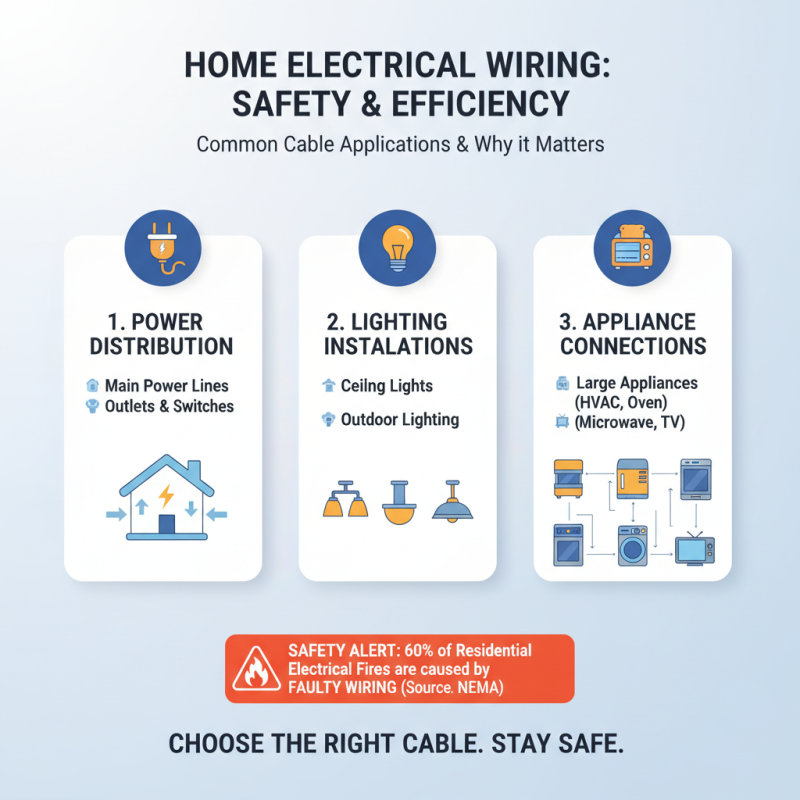
When undertaking home improvement projects, understanding the common applications of electric cables is crucial for safety and efficiency. Electric cables are primarily used for power distribution, lighting installations, and connecting appliances. According to the National Electrical Manufacturers Association (NEMA), over 60% of residential electrical fires are caused by faulty wiring, highlighting the importance of selecting the right type of cable for each specific application.
For general lighting, Non-Metallic Sheathed Cable (NM cable) is widely used due to its flexibility and ease of installation. Meanwhile, for outdoor projects or areas exposed to moisture, choosing cables that are rated for wet locations, such as UF (Underground Feeder) cable, reduces the risk of electrical hazards. Industry studies indicate that using the correct cable type can increase energy efficiency by as much as 30%, making it an essential aspect of modern home renovations.
**Tips:** When planning your project, always check local building codes to ensure compliance with safety standards. Additionally, consider consulting with a licensed electrician to assess your specific needs and ensure the proper installation of electric cables. Proper labeling and organized storage of electrical components can also streamline your home improvement efforts, saving both time and frustration.
When undertaking home improvement projects that involve electrical work, understanding safety standards and compliance is crucial. Electric cables must meet certain regulations to ensure they are safe for use. Different types of cables, such as NM (non-metallic) or UF (underground feeder), have specific applications that align with safety standards set by organizations like the National Electrical Code (NEC). Ensuring that your cables are compliant with these standards helps prevent electrical hazards like short circuits, fires, or other safety risks.
Tips: Always check if your local building codes align with national standards before beginning any electrical projects. Additionally, invest in high-quality cables from reputable manufacturers, as they are more likely to meet safety certifications. Using the right type of cable for the specific area—such as weather-resistant cables for outdoor installations—further enhances safety.
A key aspect of ensuring compliance is proper installation. This includes using the right connectors, maintaining adequate insulation, and not overloading circuits. It’s advisable to consult with or hire a certified electrician when dealing with complex installations to ensure all work meets established safety standards.
When embarking on home improvement projects that involve electric cables, proper installation and maintenance are crucial for safety and performance. First and foremost, always choose the right type of electric cables for your specific needs. This ensures not only compatibility with your electrical system but also long-term reliability.
Tips for Properly Installing and Maintaining Electric Cables:
By keeping these tips in mind, you can significantly enhance the safety and longevity of electric cables in your home improvement projects.
This content is restricted to site members. If you are an existing user, please log in. New users may register … LEARN MORE “Lighting Power & Control-Signal Cable”
We are here to help. You can contact us or create an account online to have access to special products, technical specifications and our new online quote tool.
ELECTRO CABLES
9 Riverside Drive
P.O. Box 276
Trenton, Ontario
CANADA K8V 5R5
N.A. Toll Free: 888-ELECTRO
(1-888-353-2876)
World: 613-394-4896
Fax: 613-394-4101
Email: sale@machinecables.com
We manufacture cables that are certified by the Canadian Standards Association (CSA), listed by Underwriters Laboratories and/or listed by Intertek (ETL).
Our quality management system is registered to ISO 9001: 2015. Our team is dedicated to consistently providing quality service and products to our customers.

© 2025 ELECTRO CABLES • SITE BY SNAP 360•