2026 Best Flexible Cable Conduit Options for Your Needs?
In today's fast-paced world, the importance of choosing the right flexible cable conduit cannot be overstated. The global flexible conduit market is expected to reach USD 3.8 billion by 2026, according to industry reports. This growth reflects the increasing demand for versatile electrical solutions across various sectors. Flexible cable conduits are crucial for protecting wiring in tight spaces and harsh environments.
The variety of materials and designs available can be overwhelming. Polyvinyl chloride (PVC), metal, and rubber are among the most commonly used. Each has its unique advantages and limitations. For instance, while metal conduits offer superior strength, they may not be the best choice for corrosion resistance. Understanding these trade-offs is essential for making informed decisions.
Yet, not all flexible conduits are created equal. Some options may fail under stress, leading to costly repairs or safety hazards. It’s vital to consider the specific requirements of each project. Factors such as flexibility, temperature range, and installation environment can significantly influence performance. As the industry evolves, staying updated on the best options is essential. Making the right choice can enhance both safety and efficiency in your electrical systems.
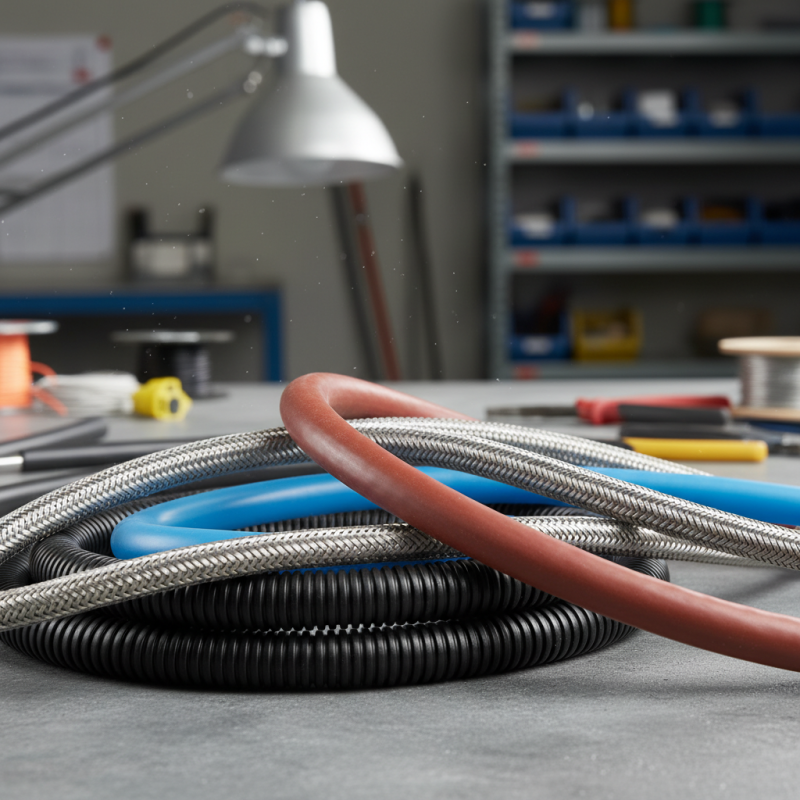
2026 Flexible Cable Conduits: Overview of Key Materials and Types
Flexible cable conduits are essential in modern electrical systems. They protect and route cables in various environments. According to industry reports, the global market for flexible conduits is expected to grow by 5% annually due to rising demand for safety and reliability.
Key materials used in flexible cable conduits include PVC, metal, and thermoplastics.
PVC conduits are cost-effective and resistant to chemicals. Metal conduits, while more durable, can be heavier and more challenging to install.
Thermoplastic options offer flexibility and impact resistance, addressing specific installation challenges often overlooked.
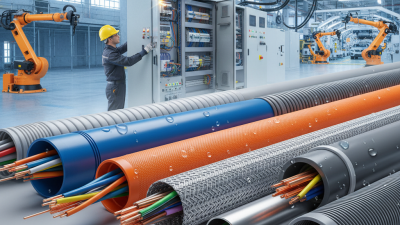
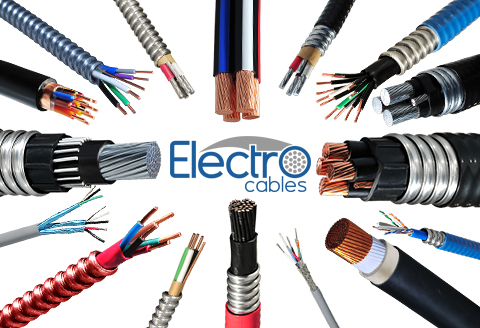
Different types serve various applications. For example, rigid conduits excel in industrial settings. Braided conduits provide additional protection from abrasions. Some conduits may struggle in extreme temperatures, which can be an area for improvement. Understanding these factors is crucial for selecting the right conduit for your needs.
Addressing these nuances can enhance performance and longevity.
Industry Trends in Flexible Cable Conduit Usage for Electrical Installations
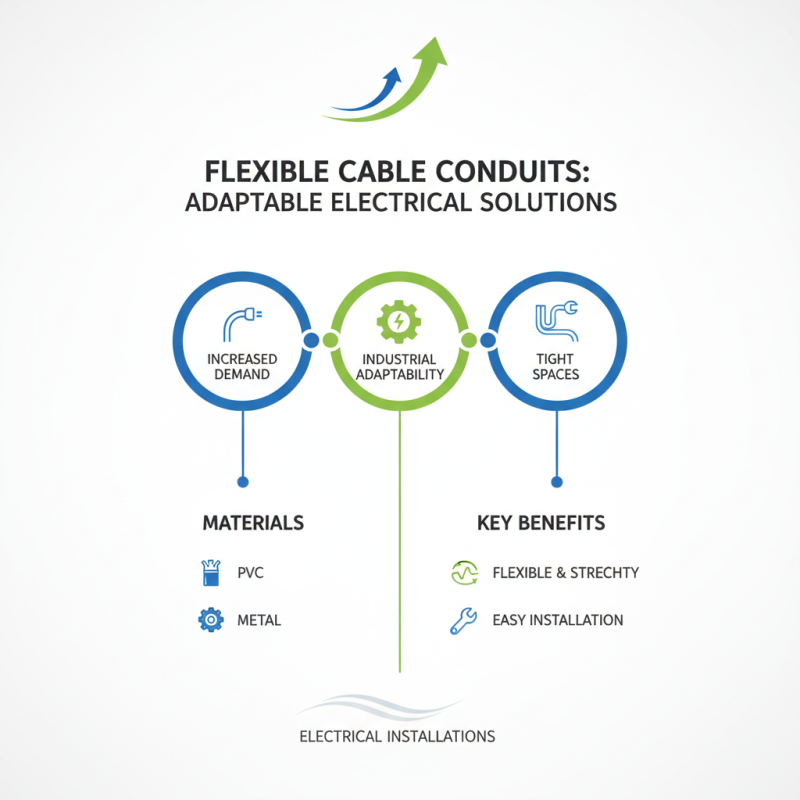
In recent years, the demand for flexible cable conduits has surged. Many industries are recognizing their adaptability in electrical installations. These conduits come in various materials, like PVC and metal, each offering unique benefits. Their ability to bend and stretch makes them ideal for tight spaces.
One noticeable trend is the push for improved durability and safety. Companies are focusing on products that withstand environmental stresses. Increased use of chemicals and extreme temperatures can damage lesser conduits. Thus, engineers are seeking conduits designed for longevity and resilience.
Another trend is the integration of smart technology. Electrical installations now often require conduits that support sensor integration. However, many professionals struggle to find options that balance flexibility with technological needs. This gap presents challenges in effective installations, urging the industry to innovate further. The future looks promising yet complex in flexible conduit solutions.
Performance Characteristics of Top Flexible Cable Conduit Brands
In selecting the best flexible cable conduit options, performance characteristics remain crucial. Different brands exhibit varying degrees of flexibility, durability, and resistance to environmental factors. For instance, materials like PVC or polyamide often offer superior resistance to chemicals and extreme temperatures, essential for industrial applications. Industry reports indicate that conduits with better heat resistance can operate efficiently up to 120°C, enhancing their lifespan.
Tip: Always consider the environment where the conduit will be installed. Harsh conditions require specialized materials.
Among the top options, many conduits boast a lightweight design, making them easier to install. However, lightweight options sometimes compromise durability. This trade-off is critical when selecting conduits for heavy-duty applications. Data suggests that 30% of installations fail due to inadequate material selection, often a result of overlooked specifications.
Tip: Reviewing performance data selectively can lead to smarter choices.
It's also essential to evaluate the conduit’s bending radius and installation ease. Some conduits may claim flexibility but do not perform adequately in real-world scenarios. Consider feedback from experienced installers. They often have insights that can guide you toward more reliable options.
Comparative Analysis of Flexible Cable Conduit Costs and Lifespan
When choosing flexible cable conduits, cost and lifespan are essential factors. A recent industry report indicates that flexible conduits can range from $0.30 to $1.50 per foot, depending on the material. PVC conduits are often cheaper, while those made from metal offer better durability. However, cheaper options may not always meet quality standards.
Lifespan varies widely among types. For instance, PVC conduits may last around 10-15 years, while metal ones can endure up to 30 years. This discrepancy is vital. Buyers should balance initial costs against longevity. Investing more upfront might save money in the long run.
Another factor to consider is installation and maintenance costs. Cheaper conduits may need frequent repairs, leading to hidden expenses. Arguably, low-cost options can become more expensive when frequent replacements are necessary. In the end, choosing the right conduit involves a careful evaluation of both immediate and long-term costs.
2026 Best Flexible Cable Conduit Options - Cost and Lifespan Comparison
Regulatory Standards and Certifications for Flexible Cable Conduits in 2026
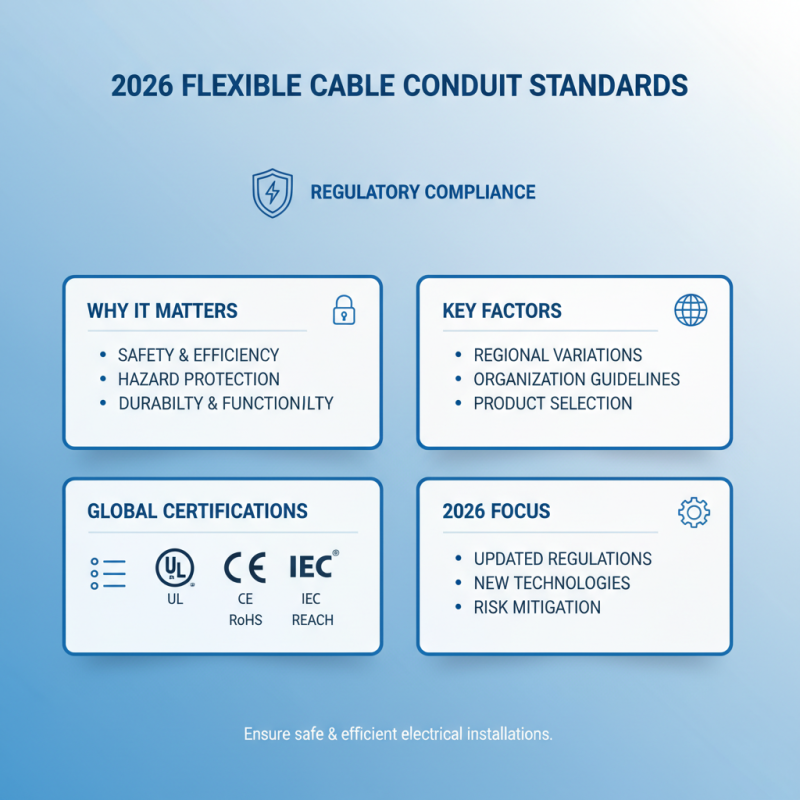
In 2026, selecting the right flexible cable conduit requires understanding regulatory standards and certifications. These standards ensure safety and efficiency in electrical installations. Various organizations set these guidelines, which vary by region. Compliance with these standards protects users from hazards. It influences product choice, impacting durability and functionality.
Tip: Always check for compliance labels. These labels indicate that the product meets necessary regulations. Not all conduits are the same. Some may look similar but might lack proper certification. Investigate before purchasing.
The certification process can be complex. Not all products pass easily. Manufacturers must prove their materials are safe. It’s essential to research the specific certifications relevant to your region. Some might prioritize fire resistance, while others focus on environmental factors.
Tip: Understand what certifications you need. This awareness will guide your decision. Inconsistent regulations can cause confusion. Always have clear criteria for evaluating products. Remember, not all paths lead to quality.