How to Choose the Best Flat Welding Flange for Your Needs?
Choosing the right Flat Welding Flange is crucial for ensuring the success of your project. A well-selected flange enhances the integrity of your piping system. It also helps prevent leaks and ensures safety during operations.
Many factors influence your selection. Material type, pressure ratings, and dimensions are a few considerations. It's essential to assess your specific needs carefully. A poorly chosen flange might lead to costly repairs or unsafe conditions. Consulting with industry experts can provide invaluable insights, and their experience can guide you in making the right choice.
Moreover, understanding the applications of various flanges enriches your decision-making process. Familiarize yourself with standard sizes and configurations. Keep in mind that local regulations may also affect your options. Taking the time to research and reflect on these aspects will lead to better outcomes in your projects.
Understanding Flat Welding Flanges: Types and Applications
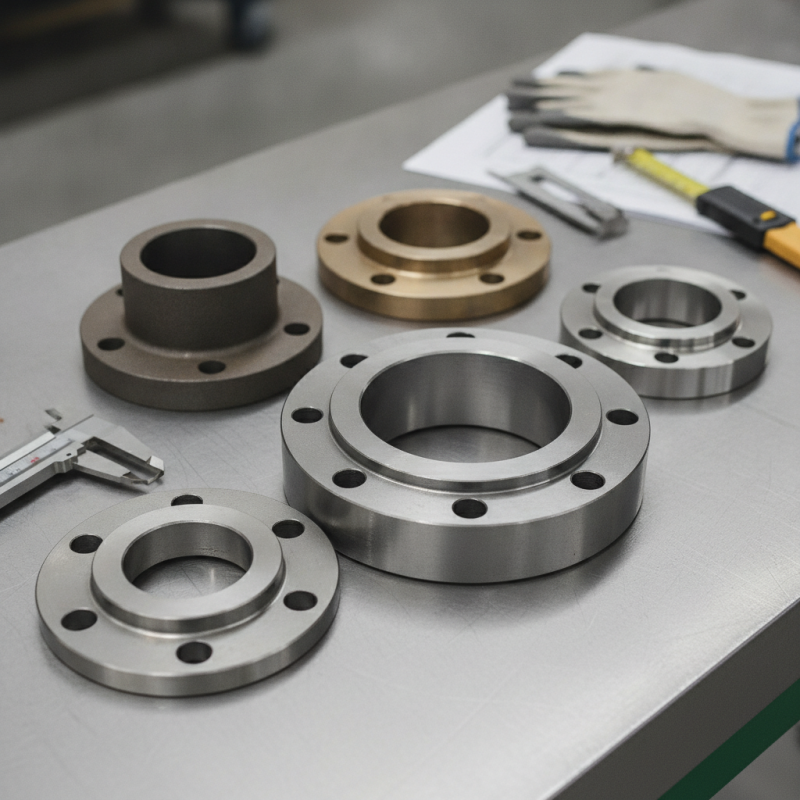
Flat welding flanges are crucial in various industries, facilitating secure connections in piping systems. Understanding their types is vital for effective use. Common types include slip-on, blind, and weld neck flanges. Each type serves specific applications and environments.
For instance, slip-on flanges are easy to install. They fit over the pipe's end and are commonly found in low-pressure systems. Weld neck flanges, on the other hand, are designed for high-pressure applications. They create a strong joint, reducing the risk of leaks. Blind flanges seal the pipe ends, commonly used in maintenance scenarios.
**Tip:** Always consult reliable industry reports when selecting flanges. The Global Flange Market Report indicates ongoing growth, emphasizing the importance of quality selection.
Further consideration should be given to material choices. For example, carbon steel flanges are preferred in oil and gas applications due to their high strength. Stainless steel flanges work well in corrosive environments.
**Tip:** Consider the operating conditions of your system. Inappropriate materials may lead to failures and unplanned downtime. Evaluate your options carefully to avoid costly mistakes.
How to Choose the Best Flat Welding Flange for Your Needs?
| Flange Type | Material | Pressure Rating (psi) | Temperature Rating (°F) | Applications |
| Weld Neck | Carbon Steel | 1500 | 450 | Pipelines, Pressure Vessels |
| Blind | Stainless Steel | 3000 | 500 | End Line Blanking, Inspection Points |
| Socket Weld | Alloy Steel | 2000 | 600 | Welding, Low Pressure Applications |
| Lap Joint | Duplex Stainless Steel | 1500 | 400 | Piping Systems, Chemical Processing |
Key Factors to Consider When Choosing Flat Welding Flanges
When selecting a flat welding flange, several key factors warrant careful consideration. The material choice is crucial, as it impacts durability and suitability for different environments. Common materials include stainless steel, carbon steel, and alloy steel. Each material has its advantages and disadvantages, which can affect your decision. Evaluate the conditions in which the flange will operate.
Another significant aspect is the size and pressure rating. Ensure that the flange fits the piping system accurately. A mismatch can lead to leaks and costly repairs. Be aware that larger flanges tend to have higher pressure ratings, impacting their suitability for specific applications.
**Tips:** Always verify measurements before making a purchase. Consider the specifics of your project. Don’t underestimate the importance of surface finish as it can affect welding processes and overall performance.
In addition to material and size, it’s vital to consult industry standards and codes. Familiarizing yourself with these can avoid compliance issues later. Ensuring that your flanges meet these regulations is essential for safety and reliability in challenging operations. Consider reaching out to professionals for advice if uncertain. Their expertise can guide your choices and enhance your project's success.
Comparison of Key Factors in Choosing Flat Welding Flanges
Materials Used in Flat Welding Flanges and Their Impact
When choosing a flat welding flange, the material plays a critical role in performance. Common materials include carbon steel, stainless steel, and alloy steel. Each material has distinct properties. Carbon steel is strong and cost-effective, while stainless steel offers excellent corrosion resistance. Alloy steel combines strength with durability, making it ideal for high-pressure applications.
Tips for selection: Consider the working environment. If the flange is exposed to moisture, stainless steel may be the best choice. Think about temperature variations too. For extreme conditions, specialized alloys can provide better performance.
Another factor to reflect on is the thickness of the flange. Thicker flanges can often handle higher pressure but may be heavier and costlier. Review the specifications based on your needs. It's essential to assess both the short-term and long-term impacts of your choice.
Remember, the right material not only affects the durability of your installation but also its overall safety. Different flanges yield varying performance levels. Evaluate your application thoroughly before making a decision.
Sizing and Dimensional Standards for Flat Welding Flanges
When selecting a flat welding flange, understanding sizing and dimensional standards is crucial. These standards determine how well flanges will connect to pipes or other structures. Common dimensions include nominal pipe sizes, flange thickness, and bolt patterns. Ensuring that the flange matches the pipe specifications is essential for a secure fit and optimal performance.
It's important to check the flange's pressure rating. Different applications require different ratings, which affects the material used and the overall dimensions. A mismatch could lead to leaks or failures under stress. Also, consider the environment where the flange will be used. Factors like temperature and corrosion resistance play a significant role in the flange's longevity.
Measuring and verifying dimensions might seem straightforward, but small errors can lead to big issues. Flange alignment should also be prioritized. Inconsistent gaps or uneven surfaces can indicate a poor fit that may compromise integrity. Investing time in proper measurements and adjustments pays off in the long run, enhancing reliability and efficiency in your projects. Reflect on whether you’ve considered all these factors before diving into your next welding project.
Common Mistakes to Avoid When Selecting Flat Welding Flanges
When selecting flat welding flanges, common mistakes can lead to costly errors. One frequent oversight is disregarding material specifications. Flanges must match the application’s requirements for pressure and temperature. According to a report by the American Society of Mechanical Engineers (ASME), improper material selections account for nearly 30% of flange failures. This highlights the importance of understanding different materials like carbon steel, stainless steel, or alloys.
Another mistake is neglecting to consider end-user specifications. Flange designs often cater to specific piping systems. Failing to verify compatibility can result in expensive delays. A study by the Engineering Institute of Canada found that 40% of industrial projects faced setbacks due to mismatched flanges. Always check the dimensions and ratings against your system's requirements.
Many overlook the importance of certifications and standards. Choosing flanges that lack proper certification can lead to unsafe installations. Moreover, they may not meet regulatory requirements. A survey revealed that 25% of welding-related accidents were associated with non-compliant flanges. Being aware of this can guide you in making safer, more reliable choices.