A partner you can trust
Choosing the right shore power cable is crucial for optimal performance and safety in marine environments. The global shore power market is projected to reach $38.5 billion by 2027, according to a report by MarketsandMarkets. This indicates a growing importance of reliable power solutions for vessels. A proper shore power cable ensures efficient energy transfer while minimizing potential hazards.
Each cable’s specifications can vary significantly. Factors such as length, gauge, and insulation type play a pivotal role in effectiveness. A report by the International Electrotechnical Commission highlights the necessity of using cables that meet standardized safety protocols to avoid electrical failures. It's essential to match your cable with the vessel's requirements, which may not always be straightforward.
Neglecting the importance of quality standards can lead to unforeseen risks. Improper cables may result in heat buildup or electrical shorts, threatening both personnel and equipment. While industry guidelines provide a solid foundation, individual needs can be complex. Thus, careful consideration of your options is vital in preventing costly mistakes.
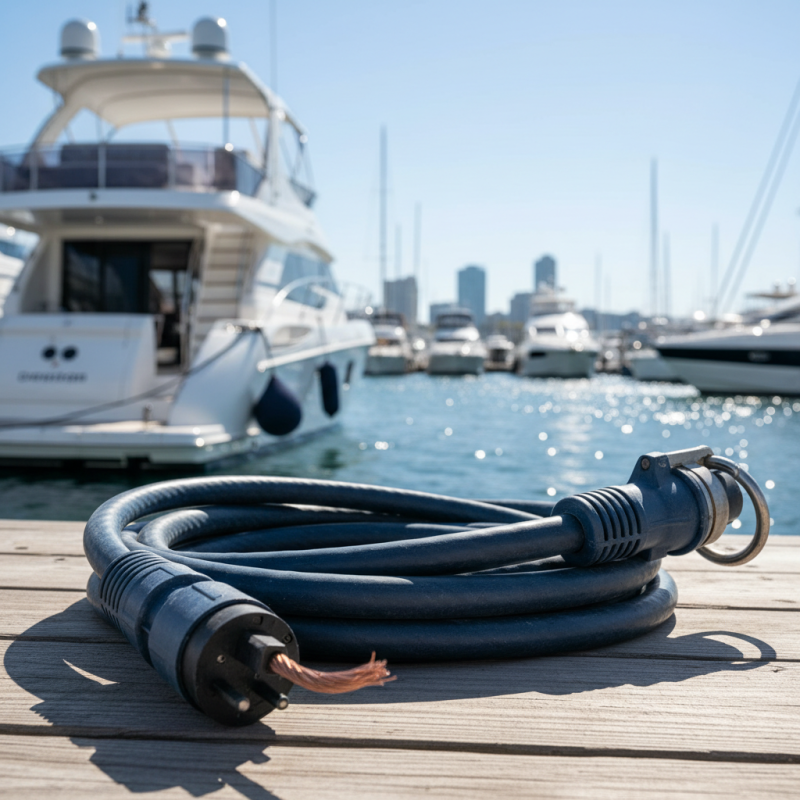
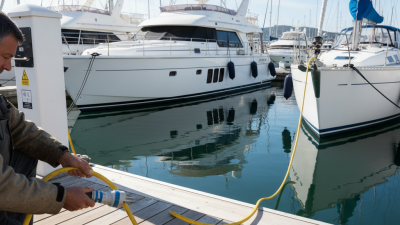
Shore power is vital for marine vessels. It allows boats to connect to land-based power sources while docked. This connection reduces noise pollution and the need for fuel while providing electricity for onboard systems. The importance of shore power extends beyond convenience. It enhances efficiency and safety for marine applications.
Proper shore power usage ensures that boats can operate vital systems like refrigeration, navigation, and lighting without relying on generators. This reliance on shore power minimizes environmental impact. Electrical issues can arise if the wrong power configurations are used. Understanding voltage and current requirements is essential. Each vessel has different power needs based on size and equipment.
When selecting a shore power cable, consider factors like length and ampacity. Cables need to be durable and weather-resistant. Many users overlook maintenance checks on cables, which can lead to degradation and hazards. Inspect connectors for corrosion or wear, ensuring a reliable power source. Each choice here plays a significant role in operational efficiency.
Choosing the right shore power cable is crucial for marine applications. There are several key factors to think about. First, consider the cable’s ampacity. This determines how much current the cable can safely carry. A cable that is too thin could overheat. Use a thicker cable for higher power demands.
Next, check the cable insulation material. It should be robust to resist saltwater and UV exposure. Look for cables with high-quality sheathing. This protects against wear and tear. Also, think about the length of the cable. Longer cables may lead to voltage drop, affecting performance.
Additionally, compatibility with your boat's power system is essential. Ensure the connectors fit well and match the voltage requirements. Sometimes, a custom solution may be necessary. It’s vital to avoid shortcuts here. Test and verify that everything works properly. Making the right choice can prevent many problems down the line.
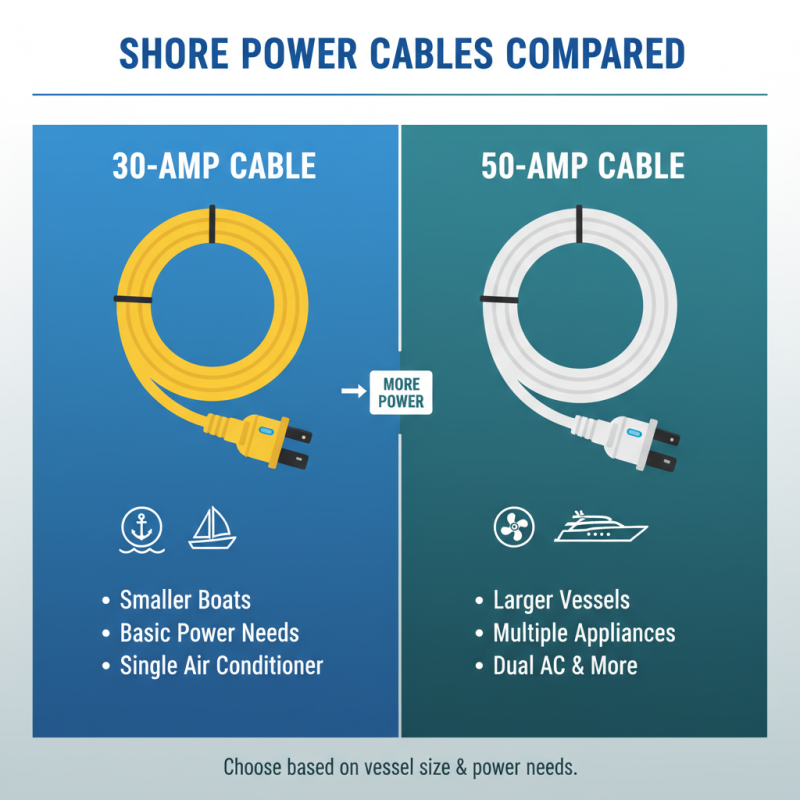
When selecting a shore power cable, it's crucial to understand the different types available. There are mainly two types: 30-amp and 50-amp cables. The choice depends on your vessel's power needs and the dock's facilities. A 30-amp cable is sufficient for smaller boats, offering basic power needs. Larger vessels often require a 50-amp option for more devices or appliances.
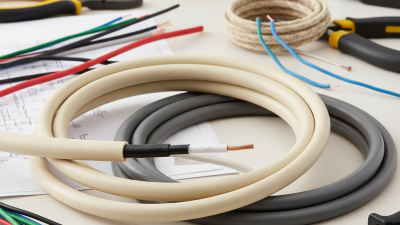
Cable construction also varies. Look for cables with heavy-duty insulation for durability. A well-insulated cable is essential in protecting against environmental hazards. Length matters, too; longer cables may lead to voltage drops. Choose a length that suits your docking situation.
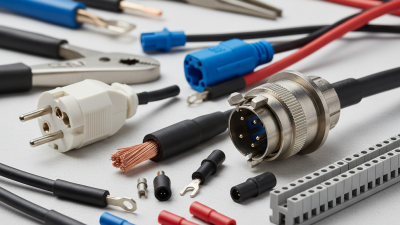
Always check the connectors. They must fit snugly to avoid sparks or disconnections. Some cables come with added safety features. These may include built-in circuit breakers. This can provide extra peace of mind during use. However, not all cables are created equal. Assessing their quality and safety ratings is vital.
When selecting a shore power cable, understanding safety standards is crucial. The National Marine Manufacturers Association (NMMA) emphasizes that cables must conform to the American Boat and Yacht Council (ABYC) standards. These regulations ensure that cables can handle high currents safely, minimizing risks of overheating and fire. Many incidents stem from non-compliance, highlighting the importance of using certified cables.
The American Society for Testing and Materials (ASTM) provides guidelines on the proper materials and construction of these cables. For instance, using rubber or thermoplastic elastomer can enhance flexibility and durability. Inappropriate materials can lead to cable failures. Research indicates that up to 30% of onboard electrical incidents are due to improper cable selection.
Additionally, proper maintenance of shore power cables must not be ignored. Regular inspections help identify wear and tear. Many recommend checking cables for cracks or frays at least every season. Without diligence, equipment failures can occur, potentially leading to costly repairs or safety hazards. Ultimately, understanding the regulations and performing routine checks are key to ensuring safe and effective shore power usage.
When it comes to shore power cables, maintenance is key to longevity. Regular checks are essential to identify wear and tear. Industry reports indicate that over 30% of cable failures result from improper care. Inspect the insulation and connectors for damage. Even minor issues can lead to significant failures.
Cleaning is crucial. Use a soft cloth to wipe down connectors and cables. Saltwater and dirt can cause corrosion, deteriorating the cable over time. According to marine electrical standards, proper cleaning can extend a cable's life by at least 20%. Always allow cables to dry fully before storing them.
Storing cables correctly is also vital. Keep them in a cool, dry place. Avoid sharp bends and kinks. A report from the Maritime Safety Agency shows that poorly stored cables can lose up to 50% of their lifespan. Remember that leaving cables exposed to harsh conditions is a recipe for disaster. Frequent checks and proactive care will keep your shore power cables in good condition.
This content is restricted to site members. If you are an existing user, please log in. New users may register … LEARN MORE “Lighting Power & Control-Signal Cable”
We are here to help. You can contact us or create an account online to have access to special products, technical specifications and our new online quote tool.
ELECTRO CABLES
9 Riverside Drive
P.O. Box 276
Trenton, Ontario
CANADA K8V 5R5
N.A. Toll Free: 888-ELECTRO
(1-888-353-2876)
World: 613-394-4896
Fax: 613-394-4101
Email: sale@machinecables.com
We manufacture cables that are certified by the Canadian Standards Association (CSA), listed by Underwriters Laboratories and/or listed by Intertek (ETL).
Our quality management system is registered to ISO 9001: 2015. Our team is dedicated to consistently providing quality service and products to our customers.

© 2025 ELECTRO CABLES • SITE BY SNAP 360•