How to Choose the Best Usb C Charger for Your Devices?
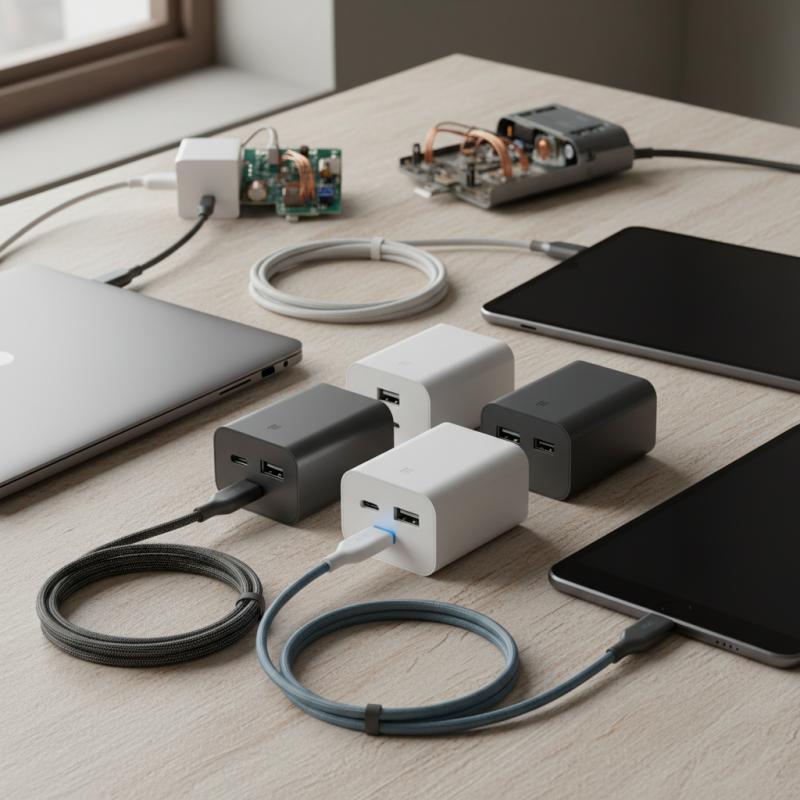
Choosing the right Usb C Charger is essential in our tech-driven world. Many devices now utilize the USB C standard for power delivery. This means that having a reliable charger can impact the efficiency of your gadgets. It's not just about speed; safety and compatibility are crucial too.
When selecting a USB C charger, consider power output and device requirements. Some chargers provide fast charging capabilities while others may not support certain devices. Understanding your device's specifications adds depth to your decision-making process. Moreover, quality varies across brands, leading to potential concerns about safety and longevity.
Reflect on your previous experiences. Perhaps you've encountered chargers that overheat or fail to charge efficiently. Such issues highlight the importance of researching reputable manufacturers. By focusing on the right USB C charger, you ensure that your devices receive the optimal power they need.
Understanding USB-C Technology and Its Benefits
USB-C technology has transformed the way we charge and connect our devices. It offers numerous benefits that enhance user experience. One significant advantage is its reversible design. This means you can plug it in either way, eliminating the frustration of wrong connections.
Another key benefit lies in the power delivery capacity. USB-C chargers can deliver higher wattage. This feature allows you to charge laptops, tablets, and smartphones faster. Additionally, some USB-C chargers support data transfer speeds up to 10 Gbps. This capability makes them ideal for transferring large files quickly.
Despite these advantages, many users still have questions. The varying power outputs can be confusing. Not all USB-C chargers are created equal. It’s essential to understand your device's requirements. This knowledge helps ensure optimal charging without damaging your device. The interplay between compatibility and performance requires careful consideration. Always verify that the charger meets recommended standards for your device.
Identifying Compatible Devices for USB-C Charging
When selecting a USB-C charger, it's crucial to understand compatibility with your devices. Many smartphones, laptops, and tablets now use USB-C. However, some devices may have specific power requirements. It’s essential to read your device's manual. Some chargers provide fast charging, while others may not. A mismatch could lead to slower charging rates.
Checking the wattage of your device is equally important. Most smartphones require 18-30W, while laptops may need 45W or more. It can be confusing. Many chargers are labeled, but not all provide the required output for every device. Compatibility issues might arise from using a lower wattage charger than needed.
It’s also helpful to consider cables. Not all USB-C cables are created equal. Some support higher speeds and power than others. This is where it gets tricky. You might find a cable that looks right but doesn’t support the power your device needs. It’s worth verifying specifications before making a purchase. Despite the progress with USB-C, challenges remain; many users find themselves grappling with miscommunications between chargers and devices.
Evaluating Power Output Requirements for Your Devices
When choosing a USB-C charger, understanding power output requirements is crucial. Different devices have varied energy demands. For example, smartphones typically need 18 to 30 watts, while laptops can require up to 100 watts. According to the USB Implementers Forum, the power delivery protocol allows for efficient charging across diverse devices. Knowing your device's wattage ensures optimal performance.
Consider the devices you plan to charge. A tablet, for instance, may function well with a 36-watt charger. However, if you use a charger that provides only 18 watts, it could lead to slower charging times. The charger may struggle, leading to potential overheating. It's essential to check your device's specifications to avoid this pitfall.
Additionally, not all chargers are created equally. Many low-cost options may not provide accurate power output. Research indicates that using a charger that exceeds your device's wattage can be safe. Devices will draw only what they require. However, reliable brands generally offer better safety features. Regular consumer reports reveal that users often underestimate these differences. They may opt for cheaper alternatives without considering safety risks and efficiency levels.
Power Output Requirements for Common Devices
This bar chart illustrates the typical power output requirements for various common devices that utilize USB-C charging technology.
Considering Safety Features in USB-C Chargers
When selecting a USB-C charger, safety features should top your priority list. Many chargers on the market lack adequate safety protections. Look for devices that comply with established safety standards. Chargers with overcurrent protection and short-circuit protection are vital. These features help prevent damage to your devices during the charging process.
Heat management is another crucial aspect. Some chargers may overheat, leading to battery damage or posing fire hazards. Seek out chargers designed with thermal regulation, ensuring they remain cool during use. Testing chargers under various conditions can reveal reliability issues. Choose a charger that has undergone rigorous testing and meets industry benchmarks.
Consider the build quality as well. Chargers made of poor material can break easily and compromise safety. It’s wise to prioritize durable materials that withstand daily wear and tear. Reflecting on user reviews can also guide you. Real experiences can highlight potential issues you might overlook. Ultimately, it's essential to balance safety with functionality to find a suitable USB-C charger.
Exploring Different USB-C Charger Brands and Options
When choosing a USB-C charger, consider the available brands and options. Each brand has unique features and specifications. Some focus on power delivery, while others emphasize portability. It's important to match the charger with your device’s requirements for optimal performance.
Many brands provide chargers that support fast charging. This can significantly reduce the time needed to charge your devices. Look for chargers with a power output of at least 18 watts for efficient charging. However, some cheaper models might not deliver what's promised. Reading user reviews can help determine real-world performance.
Not all chargers are built the same. Features like built-in protection against overcharging can be crucial for device longevity. Reflect on your personal usage habits. Do you often travel? Then, a compact charger could be more beneficial. Always research thoroughly to avoid the risk of purchasing a subpar product.
How to Choose the Best Usb C Charger for Your Devices?
| Charger Type | Power Output (W) | Port Type | Compatibility | Price Range ($) |
| Wall Charger | 18W - 100W | USB-C | Laptops, Smartphones, Tablets | 15 - 60 |
| Portable Charger | 10W - 30W | USB-C | Smartphones, Tablets | 20 - 80 |
| Car Charger | 15W - 45W | USB-C | Smartphones, GPS devices | 10 - 40 |
| Multi-Port Charger | 30W - 100W | USB-C, USB-A | Laptops, Smartphones, Tablets | 25 - 90 |