Why Choose LED Street Lights for Your City Upgrade?
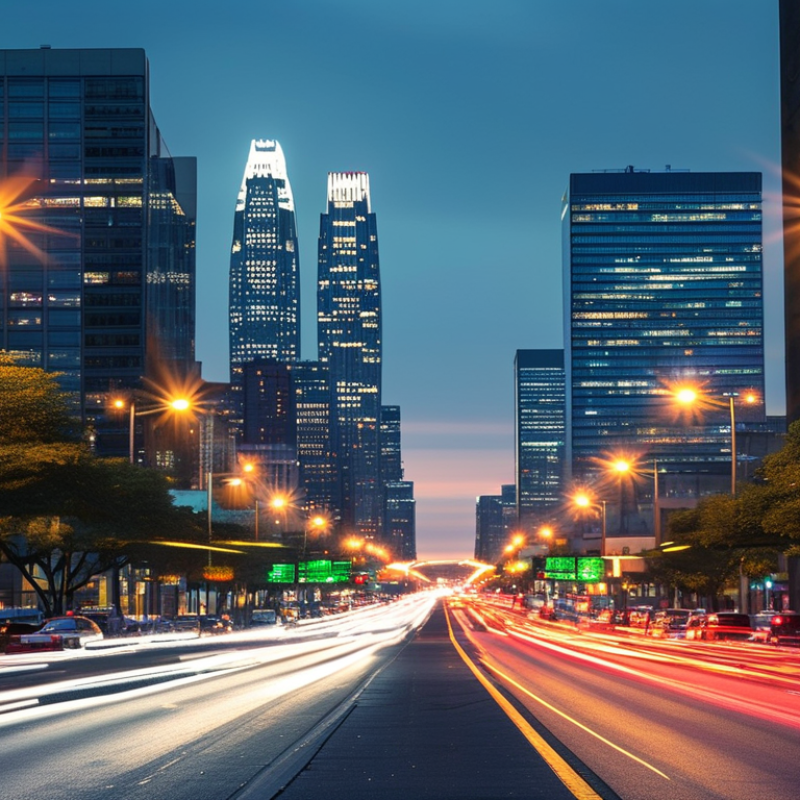
As cities continue to evolve, upgrading to LED Street Lights presents a compelling opportunity. According to a report by the U.S. Department of Energy, LED street lights can save municipalities up to 50% in energy consumption compared to traditional lighting. This significant reduction in energy use not only lowers electricity bills but also minimizes carbon footprints.
Moreover, LED street lights have a longer lifespan, lasting up to 25,000 hours or more. This durability reduces maintenance costs and the frequency of replacements. However, cities must address possible concerns regarding light pollution and the quality of illumination.
Despite these challenges, the benefits of LED street lights are clear. Enhanced safety through better visibility is vital for both pedestrians and drivers. As cities seek sustainable solutions, the transition to LED street lights stands out as a practical choice for modern urban infrastructure.
Benefits of LED Street Lights for Urban Environments
LED street lights are transforming urban landscapes. These efficient lights provide a multitude of benefits that cities are beginning to embrace. First, LED technology consumes significantly less energy compared to traditional street lighting. This reduction translates into lower electricity bills for municipalities. Cities can redirect these savings into other essential services.
Moreover, LED street lights have a longer lifespan. They can last up to 25,000 hours or more, which means fewer replacements over time. This longevity reduces maintenance costs and labor efforts. Urban planners should note that the reduced need for maintenance can free up city resources for other pressing issues.
Tips for cities considering this upgrade: Think about retrofitting existing fixtures. It can be a cost-effective way to transition. Also, evaluate the light quality. Proper illumination enhances safety and improves public spaces. Remember, not every street needs the same lighting. Tailoring solutions to the context can yield better results.
Cost Savings Through LED Street Light Implementation
Upgrading to LED street lights can yield significant cost savings for cities. Traditional street lighting consumes vast amounts of electricity. In contrast, LED lights use up to 75% less energy, translating to lower utility bills. This reduction allows cities to allocate funds more efficiently.
Maintenance costs are another important factor. LED lights have a longer lifespan, lasting up to 25,000 hours or more. This means fewer replacements and lower labor costs associated with maintenance. Cities can benefit from reduced downtime on streets due to fewer outages, improving safety and quality of life. However, the initial investment can be high, which may raise concerns.
Analyzing these factors is crucial. While the transition is beneficial, financial planning must account for the initial phase. Budget constraints can be challenging for municipalities. It may take time to realize the full financial benefits. Balancing immediate costs with long-term savings is key. Thoughtful implementation can lead to substantial economic advantages for communities.
Environmental Impact of Switching to LED Street Lights
Switching to LED street lights offers significant environmental benefits. Data from the U.S. Department of Energy shows that LED lighting can reduce energy consumption for street lighting by up to 50%. This reduction leads to fewer greenhouse gas emissions, which is crucial in the fight against climate change. A city that replaces its traditional street lights with LEDs can prevent the emission of over 30 tons of CO2 annually for every 100 lights installed.
Moreover, LED technology has a longer lifespan. LEDs last approximately 25,000 hours compared to about 2,000 hours for traditional bulbs. This longevity minimizes the frequency of replacements, leading to less waste. The environmental impact of manufacturing and disposing of street lights is reduced. However, not all cities are equipped to handle the transition. Some face budget constraints or lack the technical expertise needed for installation.
Tips: Focus on engaging the community about the switch. Educating residents about energy savings can foster support. Highlight the potential decrease in light pollution, which benefits local wildlife. It's essential to analyze energy costs and environmental impacts carefully to make informed decisions. Balancing the cost of LED lights with their long-term savings is necessary. This shift requires careful planning to ensure cities achieve their environmental goals effectively.
Environmental Impact of Switching to LED Street Lights
This bar chart illustrates the significant environmental benefits of switching from traditional street lights to LED street lights. The data highlights the energy savings, reduction in CO2 emissions, prolonged lifetime, and decreased maintenance costs associated with LED technology, making it a sustainable choice for city upgrades.
Improved Safety and Visibility with LED Street Lighting
LED street lighting significantly enhances safety and visibility in urban environments. Research shows that cities using LED lights experience a drop in crime rates by up to 30%. This reduction is linked to better illumination, which deters criminal activities during the night. Increased visibility not only aids pedestrians and cyclists but also improves driver awareness, significantly reducing accident rates.
Illuminating streets with LEDs can also enhance community well-being. Studies indicate that brighter, whiter light improves contrast, making it easier to see potential hazards. Additionally, LED lights can be dimmed or adjusted based on real-time data, allowing municipalities to tailor lighting to activity levels. However, some community members argue that bright lights can cause light pollution, impacting wildlife and residential comfort. Balancing these concerns requires careful planning and community engagement.
Reports note that the energy efficiency of LED lights means reduced costs for cities. Switching to LED can lower energy consumption by up to 75%, translating to significant long-term savings. This financial benefit, combined with enhanced safety and visibility, makes LED street lights a valuable investment for urban upgrades. Addressing potential drawbacks while maximizing advantages will lead to safer, more efficient urban spaces.
Maintenance and Longevity of LED Street Lights vs. Traditional Options
LED street lights are gaining popularity due to their impressive maintenance and longevity. Compared to traditional options, LED lights require far less upkeep. Maintenance often involves simple tasks, like cleaning and occasional bulb replacement. Meanwhile, traditional street lights may need frequent repairs. This can be costly and time-consuming.
The lifespan of LED street lights is significant. On average, they last about 25,000 to 50,000 hours. In contrast, traditional options might only last about 8,000 hours. This difference means fewer replacements. It also translates to less waste. More durable materials contribute to the longer lifespan. Cities can reduce their carbon footprint by choosing LEDs.
However, it’s important to note potential challenges:
- Initial installation costs for LEDs can be higher.
- Some cities may struggle to justify this upfront expense.
- Community acceptance is a factor; residents might resist changes in street lighting.
Open discussions and education about benefits are key to overcoming such hurdles.