How to Choose the Right Power Extension Cable for Your Needs?
Choosing the right power extension cable is crucial for safety and convenience. A suitable power extension cable can enhance your work efficiency and improve your living space. However, selecting the wrong cable might lead to potential hazards.
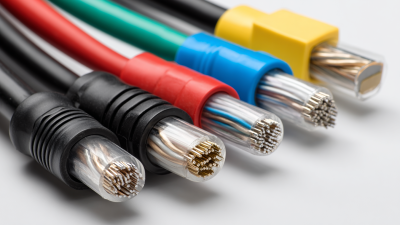
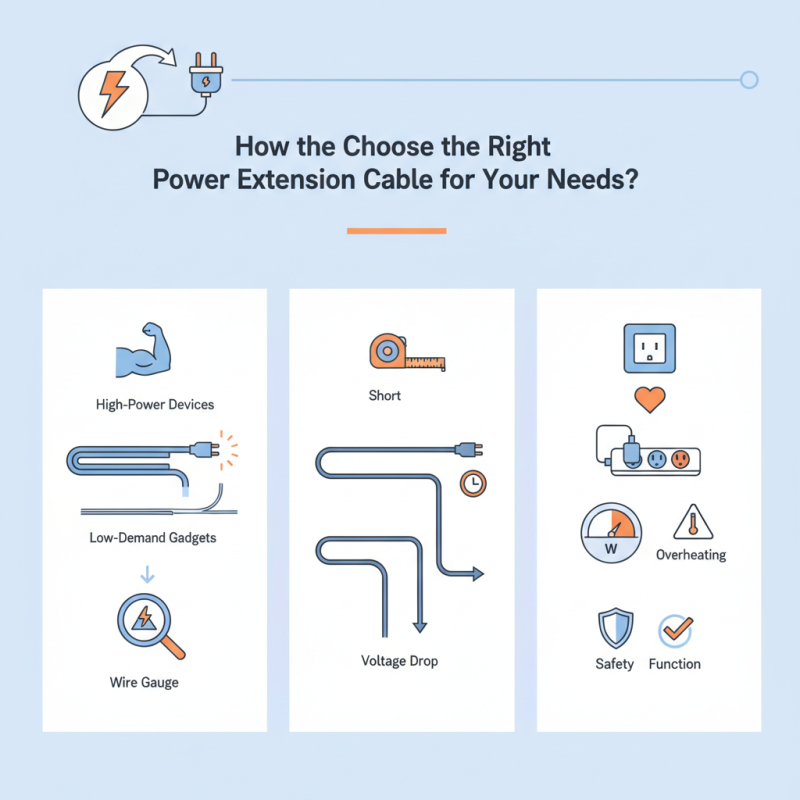
When considering a power extension cable, think about your specific needs. Are you using it for high-power devices or low-demand gadgets? The wire gauge matters significantly. A thicker cable can handle more power safely. Additionally, consider the length; longer cables may lead to voltage drops.
Many overlook the rating of their power extension cable. It's essential to check the wattage and ensure it matches your devices. Ignoring this can result in overheating or equipment damage. Reflect on your usage habits; this decision could affect your day-to-day life. A well-chosen power extension cable should provide reliability and peace of mind. Always prioritize safety and function when making your choice.
Understanding Power Extension Cables: Types and Uses
Power extension cables come in various types, each serving different purposes. For home use, you might need a basic extension cord for simple tasks. These cords are often rated for lightweight appliances and devices. They can power lamps, chargers, and small electronics easily.
Heavy-duty extension cords are essential for outdoor use. These cords can handle power tools, lawn equipment, and other high-drain devices. They are thicker and more durable. It's crucial to check the wattage rating before connecting devices. A mismatch can lead to overheating or damage.
Consider the length of the cable as well. Longer cables can create voltage drop issues. When using an extension cable, ensure it offers the right gauge for your needs. Too thin a gauge can be dangerous. Reflect on your usage patterns before making a choice. Prioritizing safety ensures you maximize efficiency while preventing hazards.
How to Choose the Right Power Extension Cable for Your Needs?
| Cable Type |
Max Load (Watts) |
Length Options (ft) |
Best Use Case |
Outdoor Rated |
| Standard Extension Cable |
1,250 W |
6, 12, 25 |
Indoor appliance use |
No |
| Heavy-Duty Extension Cable |
1,800 W |
10, 15, 25 |
Power tools, outdoor lighting |
Yes |
| Low-Voltage Extension Cable |
200 W |
18, 24 |
Landscape lighting |
Yes |
| Surge Protector Extension Cable |
1,500 W |
6, 12 |
Sensitive electronics |
No |
| Smart Extension Cord |
1,200 W |
10, 15 |
Remote access devices |
No |
Assessing Your Power Needs: Voltage and Amperage Requirements
When selecting a power extension cable, understanding voltage and amperage is key. Voltage refers to the electric potential that drives current, while amperage measures the flow rate of electric charge. Knowing both ensures your devices receive adequate power without causing overload.
Consider the devices you want to connect. For low-power devices, such as lamps or chargers, you may need lower voltage and amperage. However, for tools or appliances, these requirements increase. Check the specifications on your devices to determine their needs. This assessment can prevent overheating or damage.
Tips: Always verify the cable’s rating before using it. Select a cable that exceeds your device's amperage requirements for safety. If unsure, consult with an electrician to clarify your needs. Remember, the right choice can save you from potential hazards. Don't overlook the importance of using the correct voltage rating, too; it might seem trivial, but incorrect voltage can lead to serious issues.
Length Matters: Choosing the Right Cable Length for Your Setup
Choosing the right cable length is crucial for a functional setup. Measure the distance between your power source and the devices. This seems simple, but many overlook it. A cable that is too short limits your options. It forces you to rearrange furniture or devices awkwardly. Longer cables can be cumbersome but offer flexibility in placement.
When in doubt, consider a longer cable. You can always tuck away extra length, but a cable that falls short is a hassle. Think about where you might plug in devices in the future. What if you need to add more? A little foresight can save you trouble later.
Not every space is the same. Different arrangements require different lengths. Some people buy the standard size and regret it. They find themselves stretching or adding extensions. It's often better to take measurements before making a decision. This small step can prevent frustration later. Always keep in mind that flexibility can sometimes outweigh simplicity in your setup.
Safety Standards: What to Look for in Quality Extension Cables
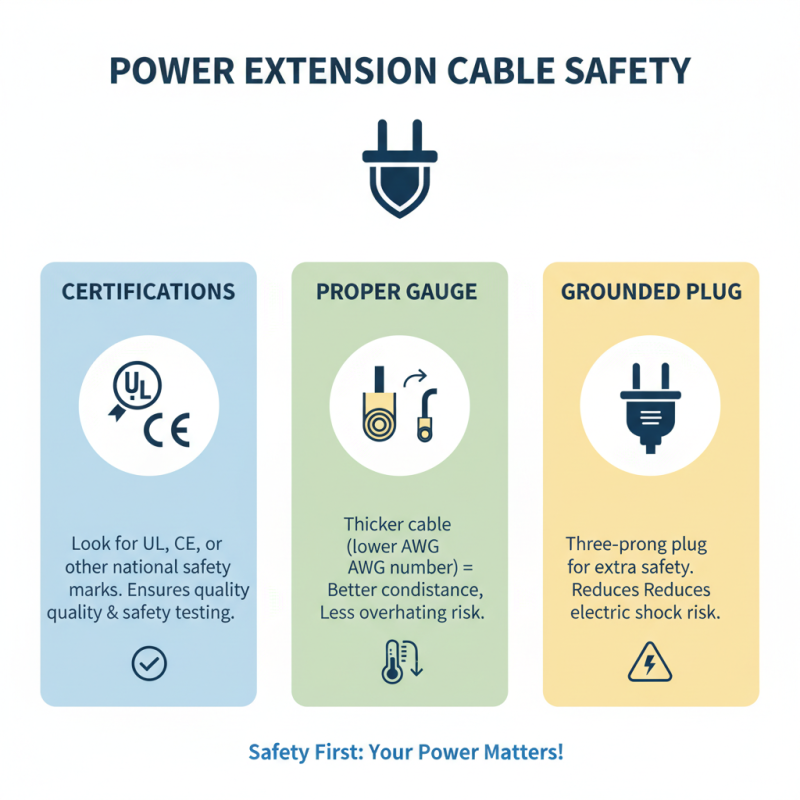
When selecting a power extension cable, safety standards must be a priority. Look for cables that meet certification requirements. These certifications ensure that the cable has been tested for quality and safety. Additionally, check for the proper gauge. A thicker gauge allows for better conductance and reduces overheating risks. Cables should have a grounded plug for extra safety.
Inspect the insulation material as well. High-quality insulation can prevent electrical shock and extend the cable's lifespan. Be cautious of frayed or damaged cables, as they can pose a serious hazard. If you notice any imperfections, it's best to replace the cable rather than risk safety. Furthermore, consider the length you need. Longer cables may experience voltage drop, which can affect performance.
Cords with built-in surge protectors are beneficial. They protect your devices from sudden spikes in electricity. However, these features can make cables bulky. Always verify whether the extra size suits your setup. Ultimately, taking the time to assess safety standards in power extension cables can save you from potential hazards in the long run.
Special Features: Evaluating Surge Protection and Smart Options
When choosing a power extension cable, surge protection is vital. According to industry data, devices costing over $50 are often damaged by power surges. A quality extension cable equipped with surge protection can absorb excess voltage. This protection reduces damage to electronics like computers and TVs.
Smart options are also emerging in the extension cable market. These cables can be controlled via smartphone apps. They allow for real-time monitoring of energy consumption. Some smart extension cords even feature timers and automation. Data shows that equipment on smart systems can save up to 15% on energy costs. However, they require a consistent internet connection.
Tip: Always check the surge protection rating. A higher Joule rating indicates better protection. Also, consider your needs for smart features. Sometimes, simpler is better. Overcomplicating can lead to confusion and mistakes. Keeping your setup straightforward may help avoid unnecessary issues. Evaluate your requirements carefully before making a decision.
Power Extension Cable Features Comparison
This bar chart illustrates the comparison of different features of power extension cables including surge protection and smart options.