How to Choose the Right Aluminum Pipe and Fittings for Your Needs?
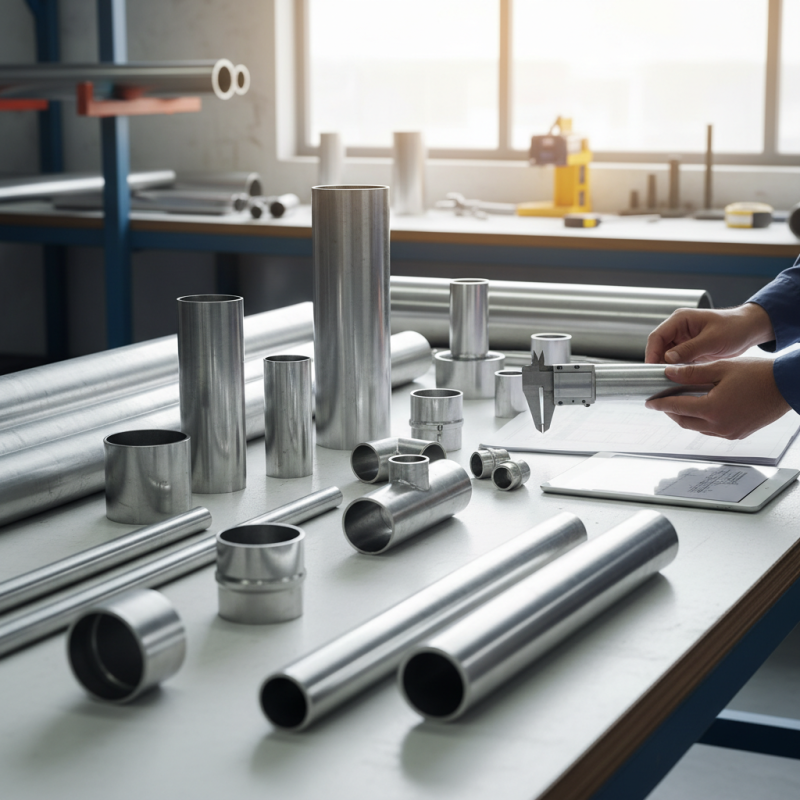
Choosing the right Aluminum Pipe And Fittings is crucial for any project. Understanding your specific needs will lead to better results. Aluminum pipes are lightweight and resistance to corrosion, making them popular in various applications. However, not all aluminum pipes and fittings are created equal.
You must consider factors such as size, diameter, and wall thickness. Different projects may require unique specifications. Research is vital for selecting the best options available. Each choice will impact the overall performance and durability of your project.
As you explore aluminum pipe and fitting options, you might face confusion. Misleading information can lead to poor decisions. Consulting industry experts can help clarify your doubts. Their insights can ensure you make informed selections that align with your project’s requirements. Remember, the right aluminum pipe and fittings are essential for lasting success.
Choosing the Right Aluminum Alloy for Pipes and Fittings Applications
When selecting aluminum alloys for pipes and fittings, understanding their properties is crucial. Aluminum 6061 is commonly used due to its strength and corrosion resistance. This alloy boasts a tensile strength of 310 MPa, making it ideal for structural applications. According to industry reports, around 80% of aluminum tubular products employ this alloy.
Another option is Aluminum 6063, favored for architectural applications. It is easier to extrude and offers excellent surface finish. With a tensile strength of 240 MPa, it provides sufficient strength for most building requirements. However, its lower strength compared to 6061 means it may not be suitable for all applications.
Consider the specific needs of your project. The choice of aluminum alloy can also impact cost and weight. While lightweight aluminum is appealing, it must not compromise strength. Reflecting on these factors, it’s important to weigh the benefits and limitations of each alloy. Each application presents unique challenges, requiring a careful examination of material properties.
Understanding the Importance of Pipe Diameter and Wall Thickness in Sizing
Choosing the right aluminum pipe and fittings is crucial for effective project execution. One key factor in sizing is pipe diameter. The diameter affects flow rates and pressure drop within the system. According to a study by the American Society of Mechanical Engineers, an increase in diameter can significantly reduce resistance, improving fluid dynamics. Larger diameters are often necessary for high-volume applications, while smaller diameters suit low-flow needs.
Wall thickness plays a vital role as well. Thicker walls provide better strength and durability, especially in high-pressure situations. Report data indicates that a 0.125-inch wall thickness can withstand pressures up to 150 psi in many applications. However, there may be trade-offs; using thicker pipes can increase weight and cost, impacting budget constraints. It's essential to balance these factors based on the specific requirements of the project. These considerations ensure that you choose aluminum pipe and fittings that meet both safety and efficiency standards effectively.
How to Choose the Right Aluminum Pipe and Fittings for Your Needs?
| Pipe Diameter (inches) | Wall Thickness (inches) | Maximum Pressure Rating (psi) | Weight (lbs/ft) | Common Applications |
| 1.0 | 0.065 | 150 | 0.57 | HVAC, Plumbing |
| 1.5 | 0.065 | 140 | 0.81 | Hydraulic Systems |
| 2.0 | 0.065 | 130 | 1.07 | Construction, Automotive |
| 2.5 | 0.120 | 110 | 1.32 | Pneumatic Systems, Furniture |
| 3.0 | 0.120 | 100 | 1.67 | Irrigation, Marine |
Evaluating the Corrosion Resistance of Different Aluminum Finishes
When considering aluminum pipe and fittings, corrosion resistance is crucial. Aluminum alloys can undergo different finishing processes, significantly impacting their durability. For instance, anodized finishes enhance corrosion resistance by creating a protective oxide layer. According to the Aluminum Association, anodized aluminum can withstand harsh environments, making it suitable for marine and industrial applications.
However, not all finishes provide the same level of protection. A study from the Metal Finishing Association suggests that while some powder coatings offer decent resistance, they are vulnerable to scratches. These imperfections can compromise the integrity of the underlying aluminum. In comparison, coatings like fluoropolymer systems have shown superior resistance to chemical exposure and UV light, enhancing longevity.
Understanding these differences is essential. Improper selection may lead to premature failure in applications, especially in corrosive environments. The right finish can provide a balance of durability and aesthetic appeal, but it requires careful consideration. Evaluating the specific needs of your project will ensure that you choose an aluminum solution with the best possible corrosion resistance.
Assessing the Mechanical Properties of Aluminum Pipes for Specific Uses
Selecting the right aluminum pipe for a specific application hinges on understanding its mechanical properties. Different grades of aluminum offer varying levels of strength, corrosion resistance, and ductility. For instance, 6061 aluminum is popular for structural applications due to its high strength-to-weight ratio. However, it might not be the best choice for highly corrosive environments.
Ductility is another key property to consider. Aluminum pipes often need to bend without breaking. A more ductile grade can perform better under these conditions. Consider also the impact of temperature. Some aluminum alloys lose strength in elevated temperatures, affecting performance in high-heat applications. Testing mechanical properties like yield strength and tensile strength helps in making informed choices.
It's important to reflect on your specific application needs. Not all projects require the same properties, so overspecifying can lead to increased costs. Balancing cost with performance often necessitates compromises. Evaluating your requirements thoroughly—from load-bearing needs to environmental exposure—can better guide your selection process.
Mechanical Properties of Aluminum Pipes for Specific Uses
Safety Standards and Compliance Regulations for Aluminum Piping Systems
When selecting aluminum piping systems, safety standards and compliance regulations play a crucial role. These regulations ensure that the materials used meet specific safety criteria. Compliance protects both the structure and the individuals involved. Organizations often refer to standards set by regulatory bodies. Adhering to these guidelines helps mitigate risks associated with faulty installations.
Different types of aluminum pipes have unique compliance requirements. For instance, certain applications may need to withstand high pressure or corrosive environments. Understanding these requirements is vital. Projects that overlook safety standards may face costly consequences. Be aware that local codes may also dictate specific regulations. Consulting with experts can clarify these obligations.
Safety inspections help in maintaining compliance. Regular checks identify potential risks, ensuring adjustments are made quickly. However, the challenge remains in keeping all team members informed. Miscommunication can lead to oversights. Training is essential for understanding safety requirements and best practices. Each team member should be accountable for compliance.