How to Choose the Best Industrial Network Switch for Your Needs
When selecting the best industrial network switch, many factors come into play. John Smith, a leading expert in industrial networking, once said, "The right switch can make all the difference in system reliability." This highlights the importance of making an informed choice.
An industrial network switch plays a crucial role in ensuring smooth communication between devices. Speed, durability, and compatibility should be at the forefront of your selection process. However, with such a vast array of options, it can become overwhelming. Many companies overlook key specifications. They might choose a model based on price alone, only to face performance issues later.
Understanding your specific requirements can prevent costly mistakes. For instance, consider the environment where the switch will be placed. Factors like temperature, humidity, and exposure to dust matter. Not all switches are designed for harsh conditions. Investing time in research not only ensures optimal performance but also longevity for your industrial network switch.
Understanding the Different Types of Industrial Network Switches
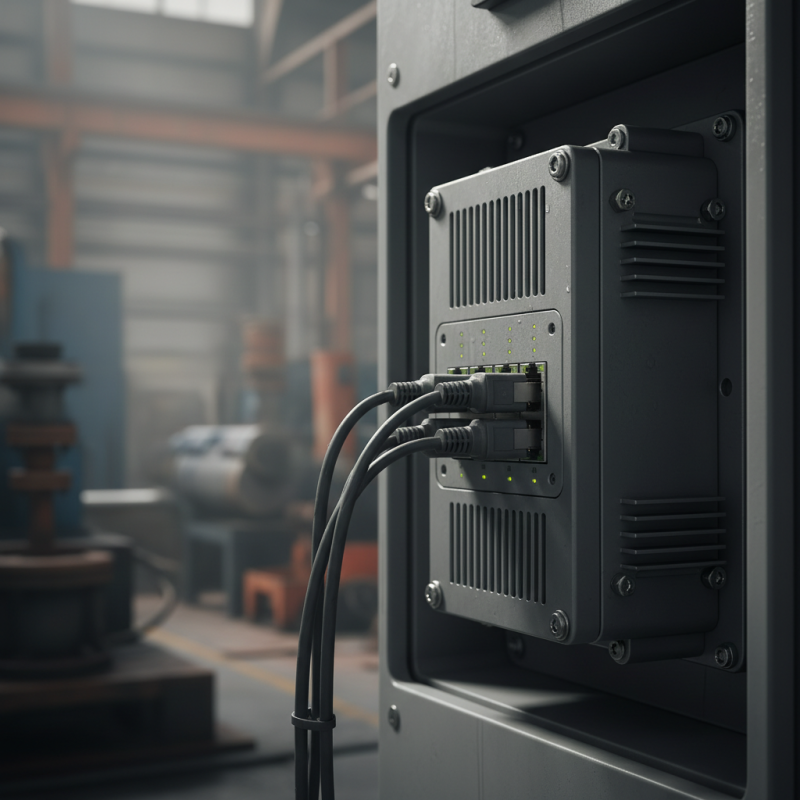
When choosing an industrial network switch, understanding the various types is crucial.
Managed switches allow for customization and control. You can monitor traffic and configure network settings. However, they are often more complex. Some users might find them overwhelming.
Unmanaged switches are simpler. They provide basic connectivity with no configuration options. These are a great choice for smaller setups. However, they lack advanced features. If your network grows, you may need to replace them.
PoE (Power over Ethernet) switches combine data and power via a single cable. This can simplify installation and reduce clutter. Yet, they often cost more. It's essential to weigh the benefits against your budget.
When selecting a switch, consider your current needs and future expansion. Each type has pros and cons, so reflect on these factors carefully.
Key Specifications to Consider When Choosing an Industrial Switch
When choosing an industrial network switch, certain specifications are crucial. One of the most important is port density. More ports allow for greater connectivity. Yet, this can lead to confusion. Understanding how many devices you connect is essential.
Speed is another factor to consider. Switches typically operate at various speeds, from 10/100 Mbps to 1 Gbps or more. It’s tempting to go for the highest speed, but this may not always be necessary. Analyze your network needs before making this decision.
Lastly, power over Ethernet (PoE) capability is key. It simplifies installations and reduces wiring costs. However, making the wrong choice can lead to underperformance. Often, users overlook compatibility with existing infrastructure. This could lead to unforeseen issues. Careful evaluation is necessary for optimal performance.
Assessing Your Network Size and Scalability Requirements
When assessing your network size and scalability requirements, it’s important to consider several factors. Start by evaluating the number of devices you plan to connect. A small network may only need a few ports, while larger setups could demand more. Think about future expansion too. If you expect growth in your operations, you might want a switch with additional capacity.
Beyond just the number of devices, consider bandwidth requirements. Different applications consume varying amounts of bandwidth. For example, video streaming and large data transfers need more capacity than simple web browsing. Think about peak usage times. Will your network handle increased traffic during those hours? If not, the chosen switch may become a bottleneck.
Reviewing the physical layout is also crucial. A centralized switch works well for small spaces. However, expanding networks often require multiple switches for better coverage. Connections between switches should also be planned. It's not uncommon to overlook these details, leading to frustration later on. Reflecting on your initial assessment will ensure your network is both functional and scalable.
Evaluating Reliability and Redundancy Features in Switches
When evaluating industrial network switches, reliability and redundancy should be top concerns. The ability of a switch to function without interruption is critical, especially in environments where downtime can lead to significant losses. Look for switches that incorporate features such as failover capabilities, which automatically redirect traffic if a failure occurs. This kind of redundancy can be a lifesaver.
It’s essential to consider how a switch performs under stress. Many switches might work well in ideal conditions but fail in real-world scenarios. Testing with different traffic loads can reveal weaknesses. Remember, a reliable switch will maintain performance during peak usage times. If the device can’t handle spikes effectively, it may not be the right choice for your needs.
Additionally, pay attention to the build quality of the switch. Metal casings tend to offer more durability than plastic ones. Yet, even metal can rust or corrode in specific environments. Evaluate your specific conditions and choose accordingly. Checking user reviews can provide insight into reliability, but remember that experiences may vary. Every detail counts in making the right choice.
Compatibility with Existing Network Infrastructure and Protocols
When choosing an industrial network switch, compatibility is key. The switch must work seamlessly with your existing network infrastructure. This includes routers, firewalls, and other hardware. Verify that it supports your current protocols. Common protocols include Ethernet, TCP/IP, and even specialized ones.
Consider the types of devices on your network. Sensors, cameras, and controllers may all need different settings. A mismatch can lead to connectivity issues. It’s crucial to assess whether the switch provides adequate bandwidth for all devices. You may find that older equipment requires updates or replacements. Testing before full deployment can save time and resources.
Be mindful of future scalability. Your network will likely grow. A switch that suits your needs today may not suffice later. Consider features like VLAN support and redundancy options. Reflect on past experiences. Did you face challenges with previous purchases? Learn from them to make better choices this time.