How to Choose the Right Electrical Cable Connectors?
When dealing with electrical projects, choosing the right electrical cable connectors is crucial. Poor connections can lead to malfunctions or even hazards. Proper connectors ensure reliable performance and longevity. Various types exist, each designed for specific applications. Understanding these differences helps in making the right choice.
Selecting suitable electrical cable connectors involves expertise. You need to know the specifications of your electrical system. Factors like voltage, current, and environmental conditions play a role. If you choose incorrectly, the results can be costly. Some connectors may not withstand environmental stress, leading to failures.
Take some time to research the options. Evaluate materials and compatibility with your cables. Professional guidance can be invaluable in this process. Consider seeking advice from experienced electricians or consulting reliable resources. Making informed decisions can enhance safety and efficiency in your electrical installations.
Understanding the Different Types of Electrical Cable Connectors Available
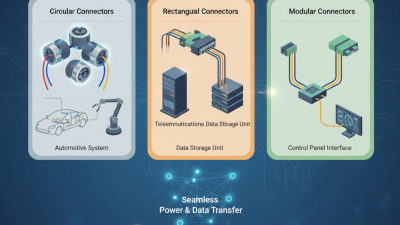
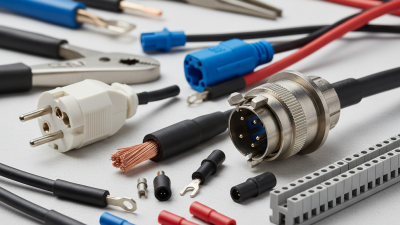
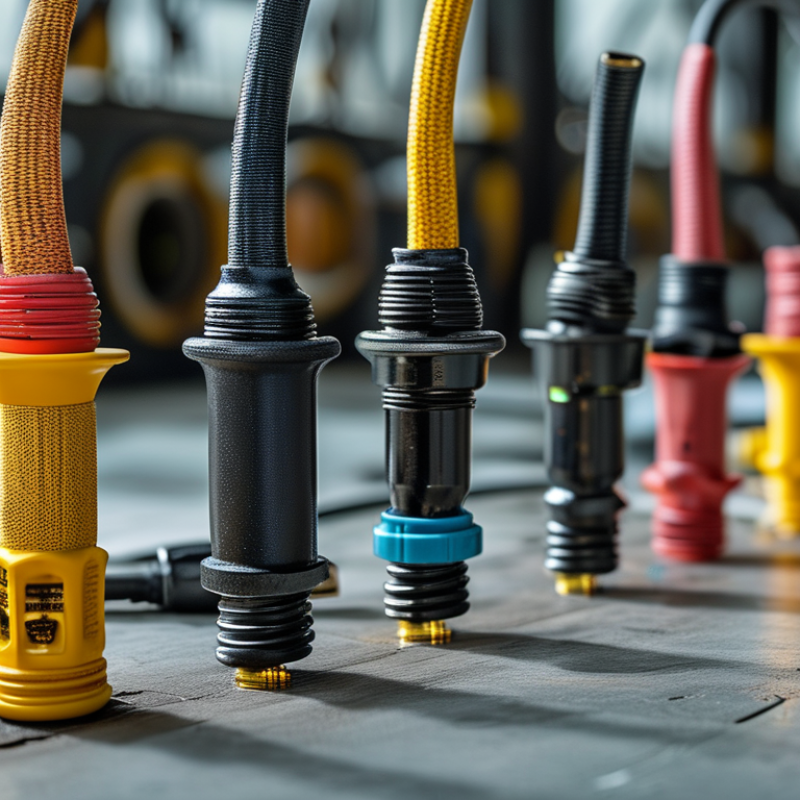
When selecting electrical cable connectors, it's crucial to understand the various types available. Each type serves a specific purpose and is designed for different applications. Common types include spade connectors, ring terminals, and barrel connectors. Spade connectors allow for easy connections and disconnections, while ring terminals offer secure fastening. Barrel connectors are often used for devices requiring stable and reliable connections.
Choosing the right connector also hinges on the cable's gauge and the electrical load it will carry. Using the wrong size can lead to overheating or failure. Additionally, consider the environment where the connectors will be used. Some are better suited for outdoor conditions and moisture, while others may be intended for dry, indoor use. Understanding these differences can prevent future issues.
It's also important to invest time in quality. Cheaper options might save money upfront but can lead to failures. Reflection on past experiences helps fine-tune your decision-making process. Take notes on what worked and what didn't during previous projects. This practice can enhance future choices and ensure a more reliable outcome in your electrical setups.
Key Factors Influencing the Selection of Electrical Connectors
When selecting electrical cable connectors, several key factors come into play. The voltage and current that the connectors will handle are crucial. High-voltage applications require connectors designed to withstand extreme conditions. Ensuring compatibility with system requirements is vital. Using the wrong connector can lead to failures or hazards.
Environmental conditions also influence the selection process. Connectors exposed to moisture, dust, or chemicals need special protection. Materials should be durable and corrosion-resistant. The size and shape of the connectors matter too; they should fit securely in their designated spaces. Misfits can cause intermittent connections or even breakdowns.
It's important to consider the ease of installation and maintenance. Connectors designed for simple assembly save time and reduce errors during setup. Yet, sometimes, simplicity might compromise the connection's robustness. One must balance ease and reliability. Seeking guidance from professionals can further refine the selection process. However, ultimately, the responsibility lies with the user to verify their choices.
Assessing Voltage and Current Ratings for Optimal Connector Performance
When selecting electrical cable connectors, assessing voltage and current ratings is crucial. These ratings determine the capacity of connectors to handle electrical loads. According to the National Electrical Manufacturers Association (NEMA), over 30% of electrical failures in industrial settings result from improper connector selection.
High voltage and current ratings ensure that electrical systems operate safely and efficiently. For instance, connectors rated for 15A at 250V are often used in residential applications, while industrial settings may require connectors rated for 30A at higher voltages. Choosing a connector beyond capacity can lead to overheating, degradation, and eventual failure.
It’s important to consider environmental factors as well. Moisture, dirt, and extreme temperatures can negatively impact connector performance. Industry data indicates that connectors exposed to such elements can have their life expectancy reduced by up to 50%. Ensuring connectors are rated not only for electrical demands but also for environmental conditions is essential to maintaining system integrity and reliability.
Evaluating Environmental Conditions Impacting Connector Durability
Choosing the right electrical cable connectors involves understanding the environmental conditions they will face. Different settings can dramatically affect connector performance and longevity. For example, extreme temperatures can lead to material degradation, while humidity may promote corrosion. Industry reports indicate that connectors exposed to harsh environments can reduce lifespan by up to 60%.
Understanding the environment informs your choice. For outdoor applications, select connectors rated for moisture and temperature extremes. In industrial settings, high levels of dust or chemicals may require specialized connector designs. Additionally, UV exposure can significantly shorten the lifespan of connectors, necessitating proper selection to ensure durability.
Waterproof options often feature seals or coatings to combat moisture ingress. Evaluating specific conditions enables informed decisions. Consider consulting environmental ratings relevant to your connectors. Proper evaluation is crucial, as overlooking these factors can lead to performance failures.
Good choices stem from careful evaluation. Research connector specifications and review installation manuals. When in doubt, seek expert opinions to guide your decisions. A well-informed choice today can prevent future complications.
Best Practices for Ensuring Proper Electrical Cable Connection Reliability
When selecting electrical cable connectors, the reliability of the connection is paramount. According to industry research, improper connections can account for up to 30% of electrical failures. A reliable connection ensures safety and efficiency in electrical systems. It’s essential to consider the materials used in connectors. For instance, connectors made from high-quality metals exhibit superior conductivity. This can lead to a 15% reduction in energy loss compared to lower-grade options.
Another vital aspect is the connector's compatibility with the cable type. Mismatched connectors can lead to overheating and eventual failure. Studies indicate that regularly inspecting and maintaining connections can extend their lifespan by as much as 25%. This includes checking for signs of corrosion or wear. Using strain relief methods also reduces stress on connectors. Such practices help maintain electrical integrity and prevent unexpected outages.
Lastly, proper installation techniques are crucial. Even the best connectors won't perform well if not installed correctly. Training technicians on installation best practices can significantly decrease connection-related issues. A report highlighted that organizations with trained personnel saw a 40% decrease in connection failures. Regularly revisiting installation practices promotes an environment of continuous improvement and reliability.
Electrical Cable Connectors Reliability Comparison
This chart illustrates the reliability ratings of various types of electrical cable connectors based on factors such as corrosion resistance, current capacity, and ease of installation.