How to Choose the Right Flexible Cable Conduit for Your Needs?
Selecting the right flexible cable conduit is crucial for various electrical applications. Whether for home wiring or industrial setups, the choices can be overwhelming. It is essential to understand the specific needs of your project.
Flexible cable conduits offer protection and flexibility. They guard against environmental factors, mechanical damage, and electrical interference. Choosing the right type is vital for ensuring safety and efficiency in your installations.
Consider factors such as material, size, and environmental conditions. A conduit that works well in one situation may not suit another. Assess the unique demands of your environment and application. Taking the time to evaluate your options can prevent costly mistakes. In the end, a well-chosen flexible cable conduit enhances the longevity and performance of your electrical systems.
Understanding the Types of Flexible Cable Conduits Available Today
When selecting a flexible cable conduit, understanding the different types available is crucial. Generally, there are three main types:
PVC,
metal, and
braided conduits.
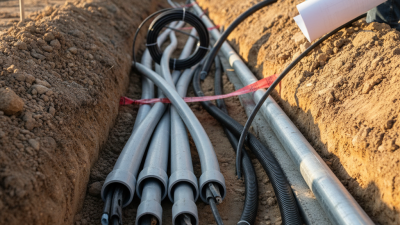
PVC conduits are popular for their lightweight and corrosion-resistant properties. They suit most indoor applications, but harsh environments could challenge their durability.
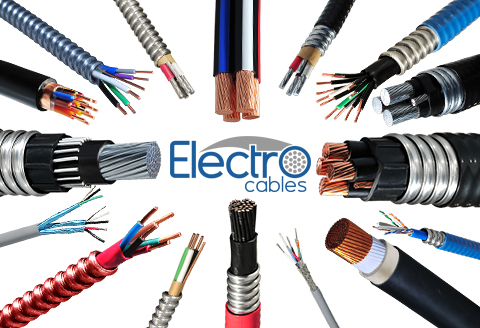
Metal conduits, on the other hand, offer robust protection against physical damage. They are often used in industrial settings but can be heavier and more expensive.
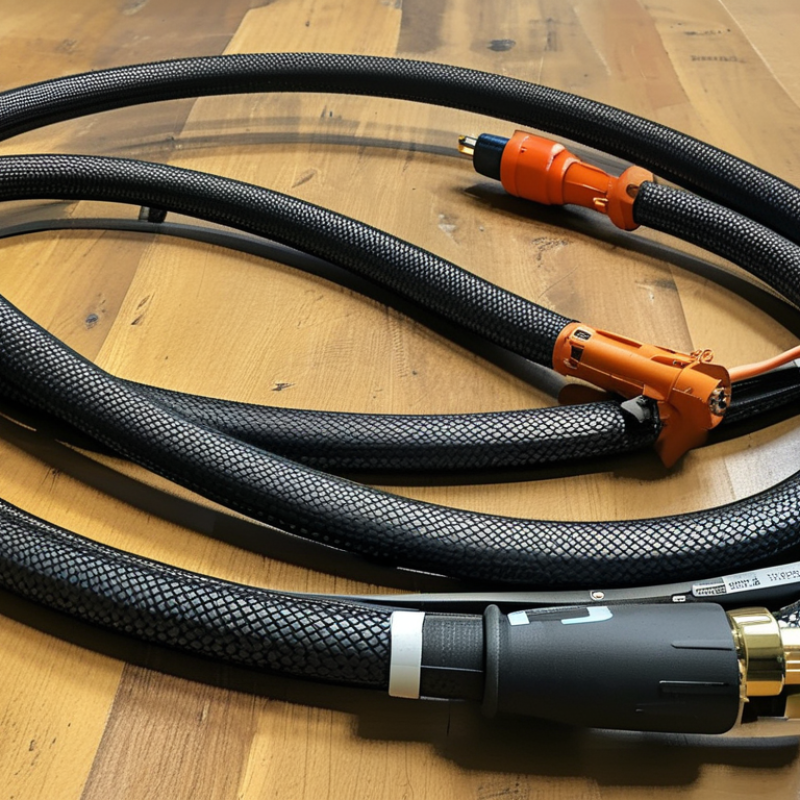
Braided conduits provide another option. Made from woven materials, they offer flexibility and resistance to wear and tear. Their application often lies in automotive and aerospace industries due to their durability and light weight. Each type has its benefits and drawbacks. For instance, while PVC is cost-effective, it may not withstand extreme temperatures. Metal conduits promise strength but may not be the best choice for wiring that needs frequent movement.
Evaluate your specific needs carefully. Consider factors like installation location, flexibility required, and environmental exposure. A deep understanding of these aspects will enhance both your decision-making and the effectiveness of your project. The right conduit should align with your requirements, balancing flexibility and protection.
Evaluating Key Factors for Selecting the Right Material Composition
Choosing the right flexible cable conduit involves assessing material composition. Different materials offer distinct benefits. For instance, PVC is lightweight and resistant to corrosion. It works well in environments with moisture. On the other hand, metal conduits provide superior strength and durability, ideal for heavy-duty applications. Your environment will dictate the best choice.
Consider the operating conditions. Temperature extremes can affect conduit performance. Some materials may not withstand high heat, leading to failure. Think about exposure to chemicals as well. Certain materials degrade faster when in contact with specific substances. Evaluate your needs carefully. Testing samples can help clarify your choice.
Tips: Always assess installation ease. Some conduits may require special tools. Verify the fitting compatibility with existing systems. This attention to detail pays off in the long run. Regular inspections can identify wear before issues arise. Don't overlook maintenance; it extends lifespan and enhances safety. Conduit selection impacts both functionality and efficiency. Consider these factors wisely.
How to Choose the Right Flexible Cable Conduit for Your Needs? - Evaluating Key Factors for Selecting the Right Material Composition
| Material Composition |
Temperature Range (°C) |
Flexibility |
Chemical Resistance |
Applications |
| PVC |
-10 to 60 |
Moderate |
Low |
Electrical Insulation |
| Polyethylene (PE) |
-40 to 80 |
High |
Moderate |
Construction, Agriculture |
| Polypropylene (PP) |
-20 to 90 |
High |
Good |
Automotive, Electronics |
| Nylon |
-40 to 120 |
Excellent |
High |
Industrial Machinery |
| Steel |
-30 to 200 |
Low |
Excellent |
Heavy-Duty Applications |
Assessing Environmental Conditions and Their Impact on Conduit Choice
When selecting a flexible cable conduit, environmental conditions play a crucial role. Factors like temperature, moisture, and sun exposure can severely impact the conduit’s performance and longevity. According to a recent industry report by the International Electrical and Electronics Engineers, approximately 30% of conduit failures are attributed to inadequate environmental assessments. Ignoring these factors can lead to costly repairs.
Temperature extremes greatly affect materials used in conduits. For example, PVC conduits can become brittle in low temperatures. This increases the risk of cracking under stress. In contrast, flexible conduits made of thermoplastic elastomer (TPE) offer better resilience. They can withstand both high and low temperatures effectively. A study revealed that TPE conduits have a failure rate of less than 5% in harsh climates.
Moisture and humidity also significantly influence conduit selection. Selecting conduits with proper moisture barriers can prevent electrical shorts and corrosion. This is especially crucial in coastal areas where saltwater exposure is common. Research shows that conduits without adequate moisture protection fail up to 40% faster. Thus, assessing the environmental context is essential for making informed choices. Make sure to consider these elements carefully when selecting cable conduits.
Choosing the Right Flexible Cable Conduit Based on Environmental Conditions
Examining Industry Standards and Compliance for Flexible Cable Conduits
When selecting flexible cable conduits, industry standards and compliance are critical. Understanding these regulations ensures safety and efficiency in electrical installations. The National Electrical Manufacturers Association (NEMA) offers guidelines on conduit materials and installation practices. NEMA 501 provides requirements for hazardous locations, ensuring optimal performance under challenging conditions.
Compliance with these standards can significantly reduce risks associated with electrical hazards. According to a 2022 report from the Occupational Safety and Health Administration (OSHA), improper conduit use contributes to 30% of electrical incidents in industrial settings. Therefore, adherence to industry guidelines is not just a recommendation; it is crucial for workplace safety.
Material selection also plays a vital role in meeting industry requirements. For instance, PVC conduits resist corrosion and are lightweight. However, they may lack durability in high-temperature environments. Understanding the environments in which these conduits will be used can help in making informed choices. It’s essential to consider both functionality and compliance to ensure long-term reliability and safety in installations.
Analyzing Cost Considerations and Long-Term Value in Conduit Selection
When selecting a flexible cable conduit, cost considerations are crucial. It's essential to analyze the upfront investment against long-term savings. For example, a study by the National Electrical Contractors Association reports that high-quality conduits can reduce installation costs by approximately 15%. While cheaper options seem appealing, they may incur higher maintenance expenses later. This connection between initial cost and longevity is often overlooked.
Another factor to consider is the material of the conduit. Polyvinyl chloride (PVC) conduits might be less expensive initially, but their lifespan is shorter compared to steel or fiberglass options. Industry data shows that PVC conduits typically last 10-15 years, while their metal counterparts can exceed 30 years under similar conditions. This discrepancy leads to a need for replacement sooner, affecting overall value.
It's wise to assess not just the financial aspect but the environmental impact as well. Selecting materials that are recyclable can enhance the conduit’s value. However, not all manufacturers provide clear recycling information. Some conduits may require more energy to recycle, essentially negating their ecological benefits. Make sure to request detailed data on both upfront costs and long-term implications when evaluating your choices.