2026 How to Choose the Right Marine Battery Cable for Your Boat?
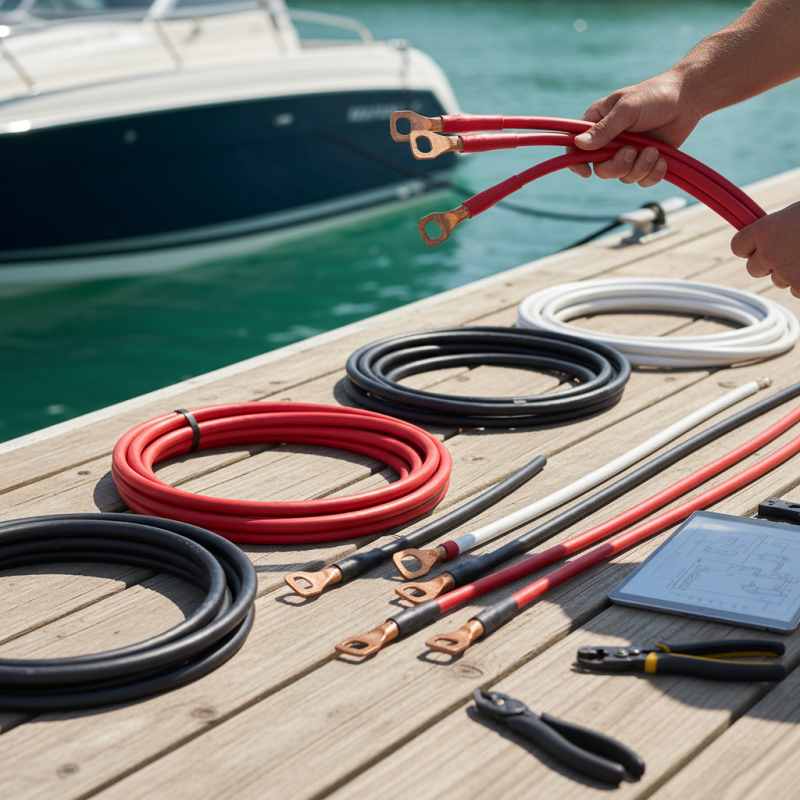
Choosing the right marine battery cable for your boat is crucial. As John Taylor, an expert in marine electronics, once stated, "Your boat's performance depends on the quality of its connections." A marine battery cable is not just a wire; it is the lifeline of your vessel's electrical system.
Selecting the appropriate cable requires knowledge and experience. Consider factors like gauge size, insulation type, and length. These elements can greatly impact your boat's efficiency and safety. Poor choices may lead to electrical failures or safety hazards.
Many boating enthusiasts overlook the importance of quality marine battery cables. They tend to focus more on other equipment. Ignoring this aspect can lead to disappointments on the water. Always invest time and resources in understanding your needs. This is essential for a reliable boating experience.
Understanding the Importance of Marine Battery Cables on Your Boat
Marine battery cables play a crucial role in ensuring the reliability and efficiency of your boat's electrical system. Improperly sized or damaged cables can lead to significant issues. According to industry reports, nearly 30% of boat electrical failures are attributed to faulty battery connections. This highlights the need for quality cables that meet specific marine standards.
When choosing a marine battery cable, consider the material and gauge. Copper cables are preferable due to their superior conductivity compared to aluminum. A 6 AWG copper cable typically handles a current of up to 50 amps, making it suitable for small to medium boats. However, many boatowners overlook the importance of insulation quality. Good insulation protects from moisture and abrasion, extending the cable's life.
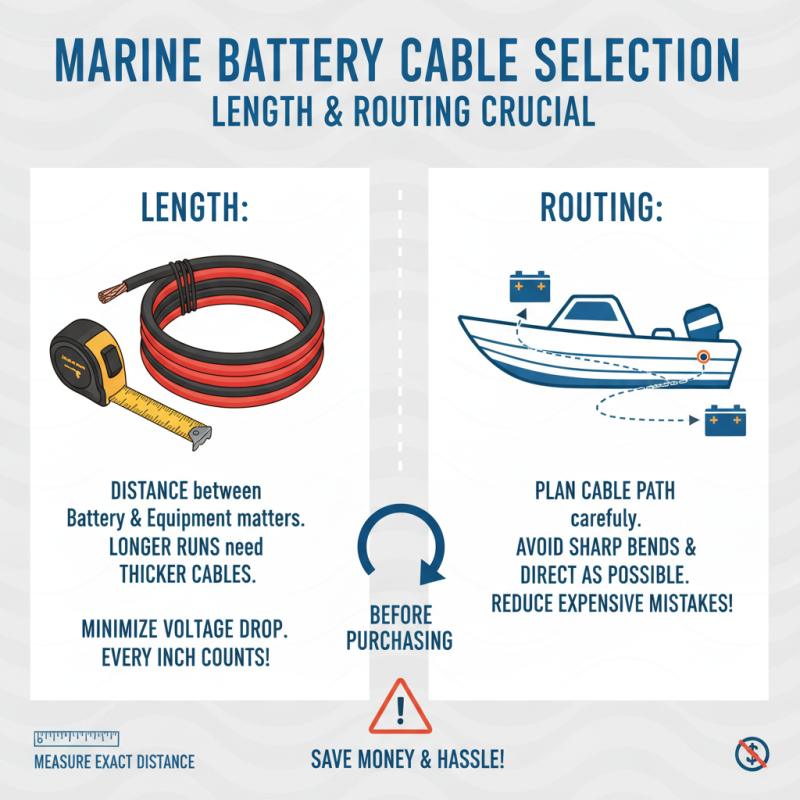
It's also essential to assess the length of the cable runs. Longer runs can introduce voltage drops, affecting performance. A 10% loss can significantly hinder your electrical systems. Regular inspections of cables for wear and corrosion are often neglected, leading to unexpected failures. Understanding these factors can save you time and money. Making informed choices about marine battery cables enhances both safety and reliability on the water.
Marine Battery Cable Gauge Comparison
Choosing the right marine battery cable is crucial for ensuring optimal performance and safety on your boat. This chart shows the ampacity of different cable gauges, which will help you make an informed choice.
Identifying the Correct Gauge Size for Your Boat's Battery Needs
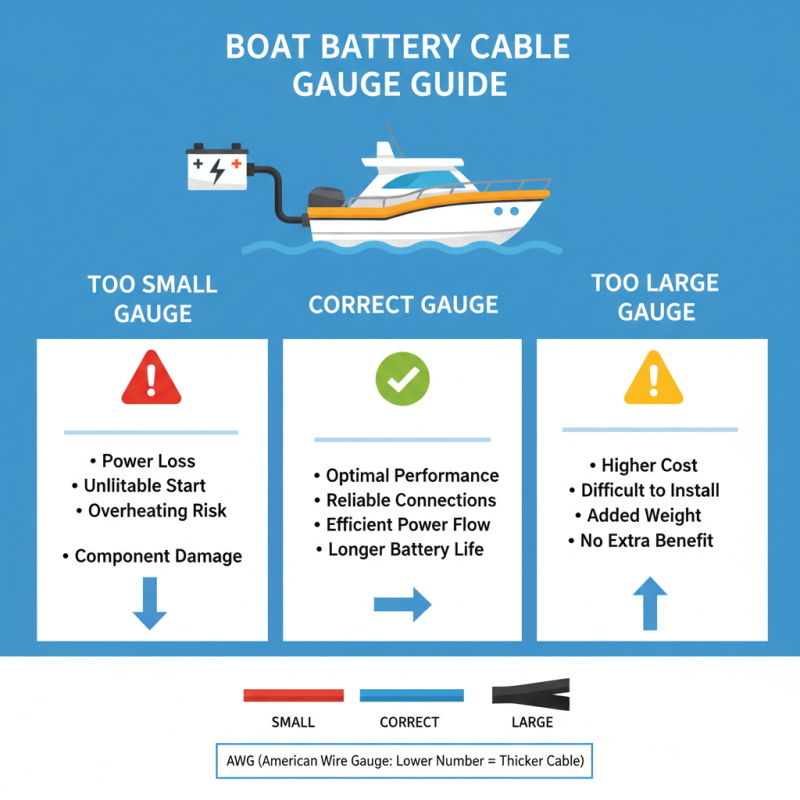
Choosing the correct gauge size for your boat's battery cable is crucial for optimal performance. A properly sized cable minimizes power loss and ensures reliable connections. Opting for a larger gauge might seem appealing, but it comes with higher costs and can be cumbersome.
Understanding your boat's electrical needs is fundamental. The right gauge depends on the distance the cable runs and the load it carries. For shorter distances with lower power draws, a smaller gauge may suffice. However, longer runs and heavier loads require thicker cables to handle the amperage efficiently.
The American Wire Gauge (AWG) system is commonly used to determine cable sizes. It’s important to remember that as the gauge number decreases, the wire diameter increases. For instance, a 4 AWG cable is thicker than a 10 AWG cable. An incorrect size can lead to overheating and potential damage. It’s essential to reflect on your specific setup and make an informed choice based on your boat’s requirements and the electrical system design.
Materials and Insulation Types for Durability and Performance
Choosing the right marine battery cable is crucial for boat performance. The materials used in these cables significantly impact their durability and efficiency. Copper is often favored for its excellent conductivity. However, aluminum can be a cost-effective alternative. It’s important to weigh the pros and cons before making a decision.
Insulation types also play a vital role. PVC is common, offering decent protection and flexibility. Yet, for extreme conditions, consider cross-linked polyethylene (XLPE). This material withstands higher temperatures and resists moisture better. Boats operating in harsh environments can benefit from this enhanced performance.
Reflecting on the choices available is essential. The right cable can prevent failures at sea, but the wrong material could lead to costly repairs. Understanding specific needs and conditions is critical. Review options carefully, and don’t hesitate to seek expert advice when in doubt.
Safety Considerations When Installing Marine Battery Cables
When installing marine battery cables, safety is paramount. A recent industry report indicates that over 40% of marine accidents arise from electrical issues. Proper cable selection and installation can significantly reduce these risks. Using cables rated for the specific amperage required by your boat’s electrical system is essential. Always refer to the American Boat and Yacht Council (ABYC) standards for guidance.
Tip: Choose cables with a higher gauge number for better flexibility. This choice helps in tight installations and prevents potential wear. It's crucial to avoid over-tightening connections; this can lead to damage and future failures.
Inspect connections regularly for signs of corrosion or wear. This kind of maintenance is often overlooked but vital for safety. According to experts, approximately 30% of battery failures relate to poor connections. Ensure that you use suitable terminals for your cables as improper fittings can result in catastrophic failures. Remember, even minor issues can escalate into major safety hazards on the water.
2026 How to Choose the Right Marine Battery Cable for Your Boat? - Safety Considerations When Installing Marine Battery Cables
| Cable Gauge |
Recommended Use |
Maximum Current (Amps) |
Approximate Length (Feet) |
Safety Considerations |
| 10 AWG |
Small Boats & Electronics |
30 Amps |
Up to 10 ft |
Ensure tight connections to prevent arcing. |
| 8 AWG |
Medium Boats; Larger Electronics |
50 Amps |
Up to 15 ft |
Use marine-grade connectors to prevent corrosion. |
| 6 AWG |
Larger Boats & Inverter Systems |
65 Amps |
Up to 20 ft |
Check insulation for damage regularly. |
| 4 AWG |
High-Performance Boating |
85 Amps |
Up to 30 ft |
Avoid sharp bends to maintain cable integrity. |
| 2 AWG |
Heavy-Duty Use & Trolling Motors |
110 Amps |
Up to 40 ft |
Ensure proper fusing to prevent overload. |