How to Choose the Right Metal Clad Cable for Your Electrical Needs?
When it comes to electrical installations, choosing the right type of cable is crucial for ensuring safety, efficiency, and reliability. Among various options available, metal clad cable has gained prominence for its robust design and enhanced protection against environmental hazards. This versatile solution is particularly well-suited for commercial and industrial applications, where durability and compliance with safety standards are paramount.
In this guide, we will explore the essential factors to consider when selecting metal clad cable for your specific electrical needs. We'll delve into the advantages of metal clad cables, such as their ability to withstand mechanical damage and their suitability for outdoor use. Additionally, understanding the different types and ratings available will equip you with the knowledge to make informed decisions, ensuring that your installation meets both operational and safety requirements. By the end, you will be better prepared to choose the right metal clad cable tailored to your project's demands.
Understanding Metal Clad Cable Types and Their Applications
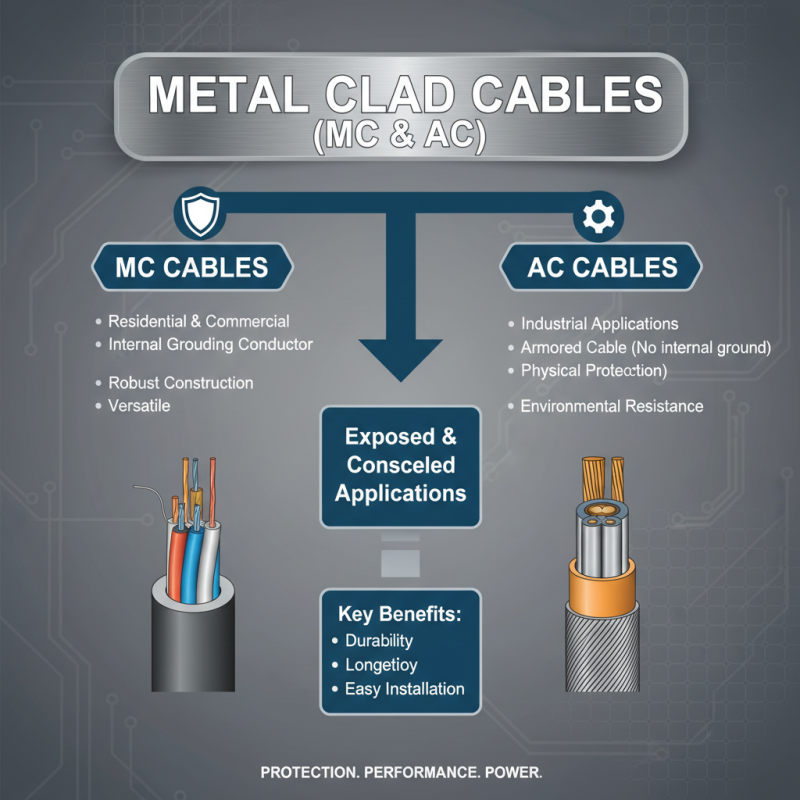
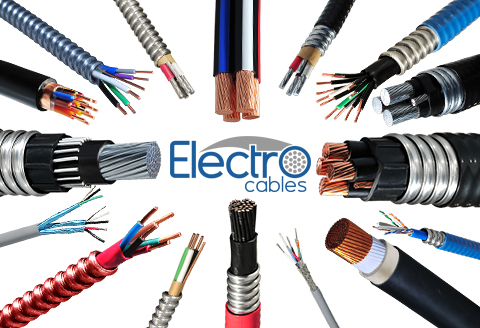
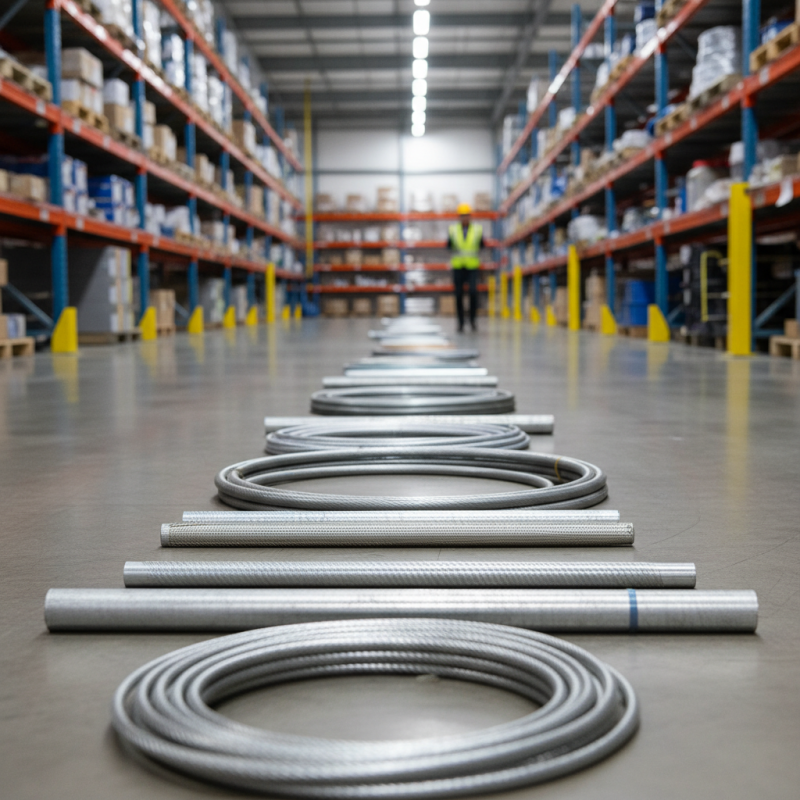
Metal clad cables (MC cables) are a popular choice for electrical installations due to their robust construction and versatility. They are primarily designed for use in both exposed and concealed applications where protection against physical damage and environmental factors is essential. There are several types of metal clad cables, including MC and AC cables, each suited for specific applications. MC cables often come with an internal grounding conductor, making them ideal for residential and commercial buildings, while AC cables are more frequently used in industrial applications.
When selecting the right type of metal clad cable, it is crucial to consider the specific requirements of your electrical project. For instance, the presence of moisture, exposure to chemicals, or potential mechanical stress may dictate the use of a particular metal sheath or insulation material. Additionally, understanding the local building codes and regulations is vital, as they may dictate which types of cables can be used in specific settings. Other factors such as ampacity, voltage rating, and installation method should also be considered to ensure optimal performance and safety of the electrical system.
Key Factors to Consider When Choosing Metal Clad Cable
When choosing the right metal clad cable for your electrical needs, there are several key factors to consider to ensure optimal performance and safety. First and foremost, assessing the environment in which the cable will be installed is crucial. Metal clad cables are typically used in areas subject to physical damage or where additional protection is necessary. Therefore, understanding the environmental conditions—such as moisture, temperature fluctuations, and exposure to chemicals—can help you select the appropriate type of metal clad cable, whether it's flexible for tight spaces or rigid for more demanding conditions.
Another important consideration is the electrical load that the cable will carry. Ensure that the selected cable can handle the specific voltage and current requirements of your installation. This involves calculating the total load and considering factors such as distance from the power source and potential voltage drop. Furthermore, pay attention to the conductor material, as copper and aluminum have different conductivity properties that may impact performance. Additionally, familiarize yourself with applicable codes and standards to guarantee that the chosen metal clad cable complies with local regulations, providing assurance of safety and reliability throughout its service life.
How to Choose the Right Metal Clad Cable for Your Electrical Needs?
This bar chart illustrates the key factors to consider when selecting metal clad cable for electrical installations, based on their importance ratings.
Comparing Cost and Performance of Different Metal Clad Cables
When selecting the right metal clad cable for electrical needs, comparing cost and performance becomes crucial.
Various reports indicate that metal clad cables, specifically MC cables, offer both durability and flexibility, which are essential in industrial and commercial applications.
According to a recent industry analysis by the National Electric Manufacturers Association, MC cables are preferred for their ability to withstand harsh environments while maintaining a cost-effective installation process, often between 10-20% less than alternatives like conduit systems.
However, it’s important to consider the specific performance characteristics of different types of metal clad cables. For instance, while Type AC cables may be more affordable, they generally show lower resistance to mechanical stress compared to Type MC cables, which are designed with an additional layer of protection.
A study by the Institute of Electrical and Electronics Engineers suggests that investing in higher-grade metal clad cables, although initially more expensive, can lead to lower long-term maintenance costs due to their superior insulation and resistance to moisture and corrosion.
Tips: When choosing metal clad cables, assess your project's needs regarding flexibility versus rigidity. Ensure to examine the environmental conditions and decide if the extra investment in robust cabling would yield better performance and safety over time. Always refer to the National Electrical Code guidelines to meet safety standards and requirements.
Installation Requirements and Best Practices for Metal Clad Cables
When installing metal clad cables, it is essential to follow specific requirements to ensure safety and efficiency. First, make sure to assess the environment where the cables will be installed. Metal clad cables are designed for protection against physical damage, but understanding the surroundings, such as exposure to moisture or chemicals, is crucial. Always secure cables with appropriate fittings and support methods to prevent strain and movement, as this can lead to wear and potential failure over time.
In addition to environmental considerations, adhering to local electrical codes and standards is vital during installation. These regulations dictate the correct methods and materials to be used, ensuring compliance and safety. When routing the cables, maintain proper bend radii to prevent damage and enhance the longevity of the installation. Furthermore, when terminating and connecting metal clad cables, ensure that all connections are tight and secure to mitigate the risk of overheating or electrical faults. Taking these best practices into account will help guarantee a reliable and effective electrical system using metal clad cable.
Safety Standards and Regulations Governing Metal Clad Cable Usage
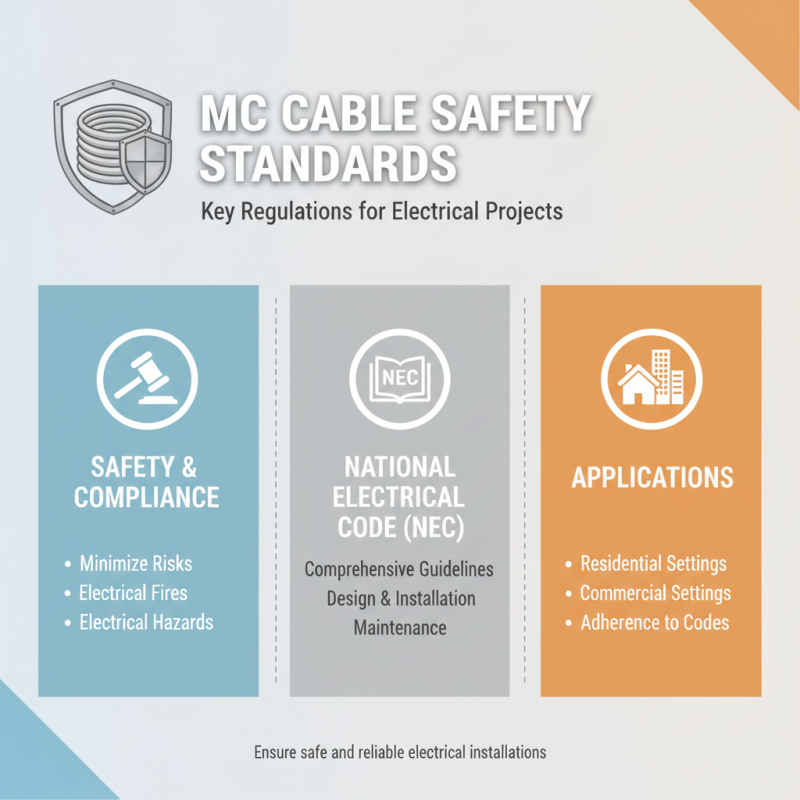
When selecting metal clad cable (MC cable) for your electrical projects, understanding the safety standards and regulations that govern its usage is crucial. These regulations ensure that the installation and use of MC cable adhere to strict electrical codes, minimizing risks such as electrical fires and hazards. The National Electrical Code (NEC) in the United States provides comprehensive guidelines on the design, installation, and maintenance of metal clad cable, emphasizing its appropriate use in both residential and commercial settings.
Compliance with local building codes and national safety standards, such as those set forth by Underwriters Laboratories (UL), is essential. These guidelines outline the required fire resistance, grounding methods, and installation practices to ensure safety and reliability. Additionally, manufacturers often provide certifications indicating that their products meet specific performance standards. It is vital for electricians and contractors to remain updated on these regulations to ensure that their installations not only comply with legal requirements but also uphold the highest safety levels for end-users.