How to Choose the Right Shielded Power Cable for Your Project?
Choosing the right shielded power cable is crucial for any electrical project. While many options are available, not all cables are created equal. A shielded power cable provides significant advantages, such as protection against electromagnetic interference and noise. This is essential for sensitive electronic equipment.
When selecting the perfect shielded power cable, consider project requirements. Different environments and applications demand specific features. For instance, industrial settings may require more robust shielding. The material and construction also matter. Understanding these aspects can impact performance and reliability.
Moreover, it’s important to evaluate vendor reputation. A well-established supplier can provide insights and guidance. They may also offer warranties that demonstrate confidence in their products. However, not every choice will perfectly match your needs. It’s prudent to reassess your selection process continually. Mistakes can lead to costly errors down the line. Therefore, thorough research and reflection are necessary.
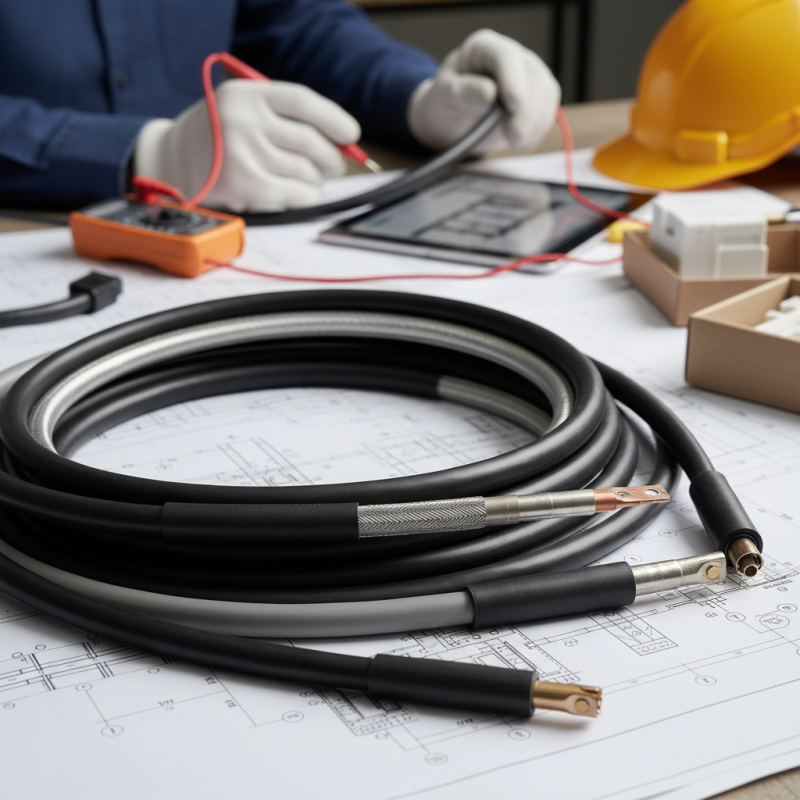
Understanding Shielded Power Cables: Definition and Purpose
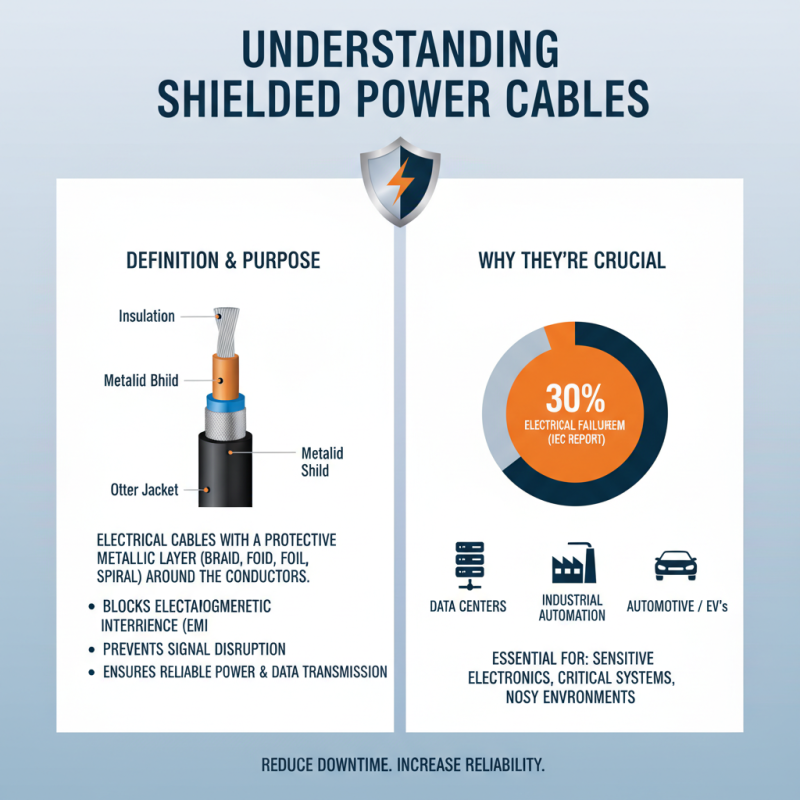
Shielded power cables play a crucial role in various electrical projects. They are designed to protect against electromagnetic interference (EMI). This interference can disrupt signals and power, leading to potential failures. According to a report by the International Electrotechnical Commission, nearly 30% of electrical system failures stem from issues related to EMI and signal integrity. Thus, understanding shielded power cables is essential.
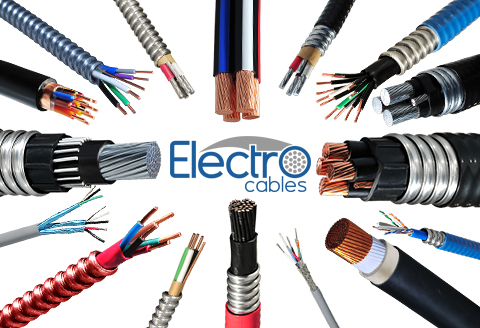
These cables consist of a conductive layer that serves as a shield. This layer can be made of materials like copper or aluminum. Its role is to absorb and redirect unwanted interference from external sources. A study by the Institute of Electrical and Electronics Engineers shows that using shielded cables can improve overall system reliability by up to 40%. This is significant for industries like telecommunications and automation, where signal clarity is critical.
Choosing the right shielded power cable requires careful consideration. Factors such as the working environment, cable length, and the specific type of interference should guide your decision. Not all shielded cables are equal. Some may not provide adequate protection for your unique applications. Evaluating product specifications and conducting real-world tests can reveal performance gaps. Overlooking these aspects may lead to costly mistakes down the line.
Key Factors for Selecting Shielded Power Cables: Materials and Insulation
When selecting shielded power cables, materials and insulation play critical roles. The type of material influences both performance and cost. Copper is a common choice due to its excellent conductivity. Aluminum is lighter and less expensive but may not deliver the same performance. Each choice comes with trade-offs. High-quality components often ensure better shielding and durability, which can impact project longevity.
Insulation is equally important. Different materials provide varying levels of protection against environmental factors. PVC is popular, but it may not withstand extreme temperatures. In contrast, cross-linked polyethylene (XLPE) offers better thermal resistance and overall stability. Choosing the right insulation can minimize breakdowns and enhance safety. It’s crucial to assess the operational environment of your project. Sometimes, we overlook the long-term effects of these decisions.
Carefully review the specifications of each option. Understanding your project’s requirements is essential to avoid costly mistakes. A considered choice in materials and insulation can lead to improved functionality and safety. Reflect on potential challenges and adapt your selections accordingly.
Evaluating Cable Size and Current Rating for Shielded Power Cables
Choosing the correct shielded power cable is essential for your project’s success. Evaluating cable size and current rating significantly impacts performance. The American Wire Gauge (AWG) standard helps determine the size of the cable needed. A thicker cable can handle more current without overheating.
Consider the current rating closely. For instance, a 12 AWG cable typically supports a maximum of 20 amps. However, the environment matters too. In residential areas, cooler conditions allow cables to carry more current than in hot environments. According to the National Electrical Code (NEC), derating is crucial when cables are bundled together. Always account for this to avoid potential failures.
Tip: Always use a cable that is rated higher than your projected amperage. It provides a safety margin and enhances performance.
Cable size also relates to voltage drop. Significant voltage drop can lead to inefficient operation and increased energy costs. As a rule of thumb, aim for a voltage drop of less than 3% over the entire cable run.
Tip: Measure cable lengths accurately. Oversizing can lead to extra costs, while undersizing risks equipment failure.
Don’t overlook these details; they can affect the entire system. A slightly larger cable often proves beneficial in the long run.
Impact of Environmental Conditions on Shielded Power Cable Performance
Choosing the right shielded power cable involves understanding how environmental conditions impact performance. Various factors like temperature, humidity, and exposure to chemicals can significantly influence cable functionality. For instance, extreme temperatures can alter the insulation properties, leading to potential failures. Research indicates that cables rated for higher temperatures can maintain performance better in hot environments, reducing the risk of overheating.
Humidity is another critical factor. According to industry standards, high moisture levels can lead to insulation deterioration. This inadequacy might compromise signal integrity or induce faults. Even minor humidity levels can foster corrosion in exposed connectors. Moreover, contamination from environmental pollutants can affect a cable's shielding effectiveness. Cables that are not appropriately sealed can suffer from decreased performance when exposed to harsh chemicals.
Flexibility in design is also important. Rigid cables may not withstand dynamic weather changes. Reports suggest that choosing cables designed for adaptability enhances longevity. Evaluating these environmental factors before selection can lead to more reliable outcomes. The right shielded power cable can enhance system resilience, ensuring longevity and reducing maintenance costs.
Impact of Environmental Conditions on Shielded Power Cable Performance
Industry Standards and Certifications for Shielded Power Cables
When selecting shielded power cables, understanding industry standards is vital. Various organizations provide guidelines on performance, safety, and compatibility. For instance, the American National Standards Institute (ANSI) and the Institute of Electrical and Electronics Engineers (IEEE) set essential benchmarks. These certifications help ensure the cables meet specific operational requirements.
The National Electrical Manufacturers Association (NEMA) also plays an important role. It outlines specifications for various types of power cables used in commercial and industrial applications. According to a market report, compliance with NEMA standards can increase reliability by up to 30%. Cables that pass these tests can be critical in reducing electromagnetic interference (EMI) in sensitive environments.
Research highlights that shielded cables should also adhere to Underwriters Laboratories (UL) certifications. These certifications confirm that cables are tested for safety and performance. However, not all products achieve this certification, which can lead to challenges in maintaining quality standards. Selecting the right cable requires thorough research and awareness of these vital certifications to mitigate risks effectively.
How to Choose the Right Shielded Power Cable for Your Project?
| Cable Type |
Shielding Material |
Application |
Voltage Rating (V) |
Industry Standards |
| Flex Power Cable |
Aluminum Foil |
Robotics |
600 |
UL 1673, IEC 60228 |
| Low Voltage Power Cable |
Copper Braid |
Industrial Equipment |
1000 |
CSA C22.2 No. 227, EN 60230 |
| High Voltage Power Cable |
Screened Tape |
Power Generation |
3000 |
IEEE 16, BS 6622 |
| Instrumentation Cable |
Foil and Braid |
Data Acquisition |
500 |
NEC, IEC 60092 |
| Multicore Power Cable |
Copper Wire |
Marine Applications |
1500 |
ISO 9001, ISO 14001 |