How to Choose the Right Armoured Cable Gland for Your Electrical Needs
Choosing the right armoured cable gland is crucial for ensuring the safety and efficiency of electrical installations across various industries. According to a report by the International Electrotechnical Commission (IEC), improper selection of cable glands contributes to over 30% of electrical failures in industrial applications. This statistic underscores the importance of understanding the specific requirements of different environments, such as exposure to moisture, chemicals, or mechanical stress, all of which can significantly impact the performance of electrical systems.
Additionally, a study by the National Electrical Manufacturers Association (NEMA) reveals that selecting the appropriate armoured cable gland can enhance the longevity of electrical installations by up to 50%, thereby reducing costs related to maintenance and replacements. With a diverse range of armoured cable glands available, it is essential for engineers and electricians to consider factors such as material compatibility, environmental conditions, and installation methods to ensure optimal performance and compliance with industry standards. By making informed choices, professionals can safeguard their installations and contribute to the overall reliability and safety of electrical systems.
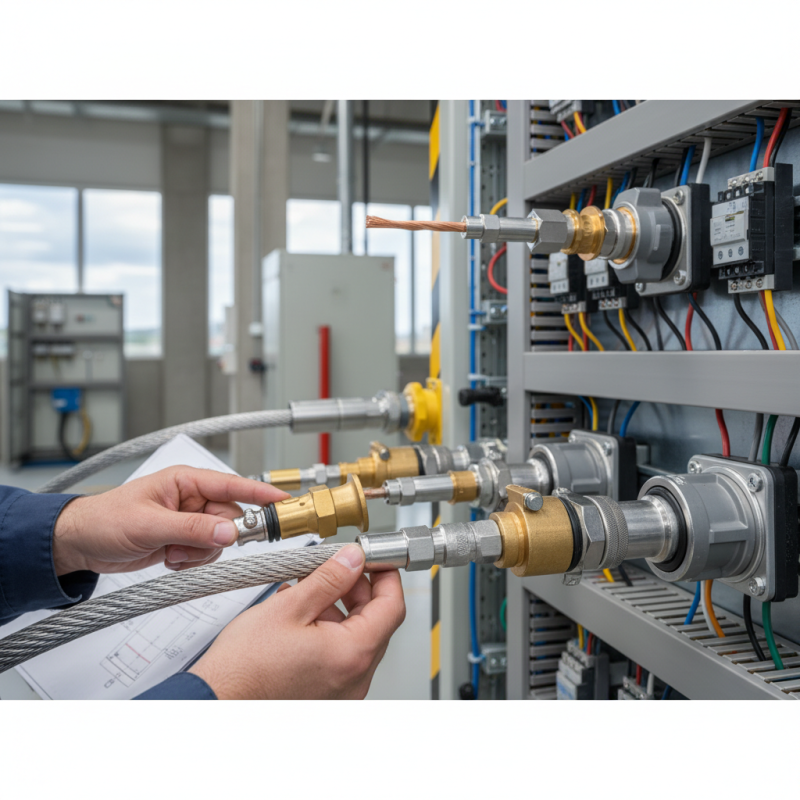
Understanding the Function of Armoured Cable Glands in Electrical Systems
Armoured cable glands play a crucial role in electrical systems by providing essential protection and support for armored cables. These components not only secure the cable connections but also safeguard against environmental factors such as moisture, dust, and mechanical stress. According to a report by the Global Electrical Components Market, the use of appropriate cable glands can enhance the longevity and reliability of electrical installations by up to 30%. This highlights the importance of selecting the right type of gland suited for specific applications, especially in industrial settings where exposure to harsh conditions is common.
Understanding the function of armored cable glands involves recognizing their ability to create a tight seal that prevents ingress of contaminants, thereby maintaining the integrity of electrical systems. The International Electrotechnical Commission (IEC) standards indicate that the correct installation and choice of cable glands contribute significantly to reducing electrical failures and improving safety in various environments. For instance, in hazardous locations, using the right armored cable gland can prevent potential hazards such as electrical arcing and short circuits. As industries increasingly emphasize safety and compliance, investing in high-quality cable glands becomes a matter of operational efficiency and risk mitigation.
How to Choose the Right Armoured Cable Gland for Your Electrical Needs
| Criteria |
Description |
Considerations |
| Cable Type |
Type of armour and insulation of the cable to be used. |
Ensure compatibility with the armoured cable gland. |
| Environmental Conditions |
Exposure to moisture, temperature extremes, and chemicals. |
Choose materials resistant to these conditions. |
| Cable Diameter |
Diameter of the armoured cable. |
Select glands that accommodate the specific cable diameter. |
| Ingress Protection Rating |
Level of protection against dust and moisture. |
Choose higher ratings for harsher environments. |
| Material |
Material of the gland (e.g., brass, plastic, stainless steel). |
Consider durability and resistance to corrosion. |
| Installation Method |
How the gland will be mounted and sealed. |
Ensure ease of installation for maintenance. |
Types of Armoured Cable Glands: Key Features and Applications
When selecting the right armoured cable gland, it is essential to understand the various types available and their specific applications. Armoured cable glands are primarily categorized based on their construction materials, including brass, stainless steel, or plastic, each offering unique benefits. Brass glands provide excellent durability and resistance to corrosion, making them suitable for industrial environments. In contrast, plastic glands are often lighter and more cost-effective, ideal for residential or light-duty applications. According to a recent industry report by MarketsandMarkets, the global market for cable glands is expected to grow at a CAGR of 5.8% from 2022 to 2027, driven by increased demand in electrical installations across various sectors.
Key features of armoured cable glands often include ingress protection ratings (IP ratings) that determine their ability to resist dust and water. For example, an IP66 rated cable gland provides enhanced protection, suitable for external applications subjected to heavy rain or dust. Additionally, environmental factors, such as temperature variations and potential exposure to chemicals, should be considered when selecting a gland. An armoured cable gland designed for harsh conditions might include Sealing Technology, which can prevent the entry of moisture and contaminants, thereby improving the longevity of the electrical system.
Tips for choosing the right cable gland include evaluating the environmental conditions where the cable will be installed and determining the appropriate size that matches the cable diameter. It’s also crucial to ensure compatibility with the armoured cable type and to consider the installation method that will provide optimal connection security. Furthermore, always adhere to the relevant electrical standards and guidelines to ensure safety and compliance in your application.
Armoured Cable Gland Types and Applications
Factors to Consider When Selecting Armoured Cable Glands
When selecting armoured cable glands for your electrical needs,
there are several key factors to consider to ensure the best fit for your application.
First, assess the type of environment where the cables will be installed.
Armoured cable glands must be compatible with the environmental conditions, such as exposure to chemicals, moisture,
dust, and temperature variations. For instance, harsh industrial settings
may require glands with superior sealing properties and corrosion resistance to maintain safety and functionality.
Another critical factor is the size and type of the cable.
It is essential to select a gland that matches the diameter and physical characteristics of the armoured cable being used.
This not only ensures proper installation but also prevents any possible electrical failures.
Additionally, consider the cable entry method; some applications may benefit from specific
strain relief and sealing options that enhance performance.
Lastly, ensure that the chosen gland meets the required standards for your specific industry to guarantee compliance and operational safety.
By carefully evaluating these factors, you can choose an armoured cable gland that maximizes performance and reliability in your electrical installations.
Installation Considerations for Armoured Cable Glands
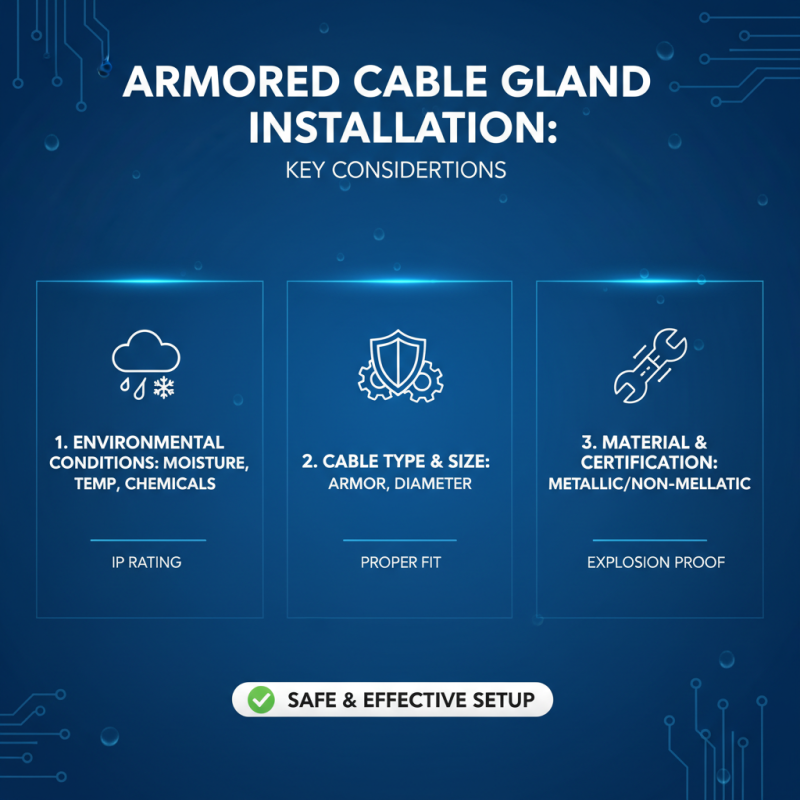
When installing armoured cable glands, several key considerations must be taken into account to ensure a safe and effective setup. First and foremost, it is crucial to assess the environmental conditions where the cable gland will be used. Factors such as moisture, temperature fluctuations, and exposure to chemicals can significantly influence the type of gland selected. For example, in damp and industrial environments, choosing a gland with a suitable ingress protection (IP) rating is essential to prevent water and dust ingress, which could compromise the integrity of the electrical connections.
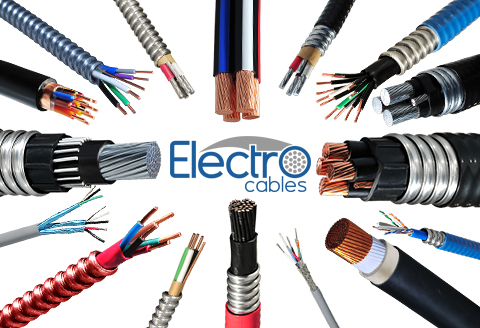
Another important aspect is the compatibility of the armoured cable with the gland itself. It’s vital to ensure that the gland is designed for the specific type of armoured cable being used, as different cables might feature varying armouring methods such as steel wire or aluminium. This compatibility not only facilitates a proper seal and strain relief but also contributes to the overall safety and resilience of the installation. Furthermore, proper installation techniques, including the correct tightening of screws and ensuring the armoured sheath is adequately clamped, play a significant role in maintaining the performance and longevity of the electrical system.
Maintenance and Safety Tips for Armoured Cable Glands Usage
When using armoured cable glands, maintenance and safety are paramount to ensure longevity and optimal performance. Regular inspections are crucial; checking for any signs of wear or damage can prevent potential failures. Cleaning the gland areas and ensuring they are free of corrosion or debris will help maintain effective sealing and protection against environmental factors. Ensure that the armoured cables are properly terminated and that all connections are secure, as loose fittings can lead to electrical hazards.
Furthermore, installing protective covers or barriers can enhance safety, shielding the armoured cable glands from mechanical impacts and environmental stressors. It is essential to follow manufacturer guidelines regarding torque settings when fitting the glands, as incorrect tightening can compromise the integrity of the installation. Utilizing personal protective equipment (PPE) during maintenance work, such as gloves and eye protection, will safeguard operators against accidental injuries. Always ensure that power is disconnected before performing any maintenance work on electrical installations to mitigate the risk of electric shock.