How to Choose the Right Cable Wire for Your Needs?
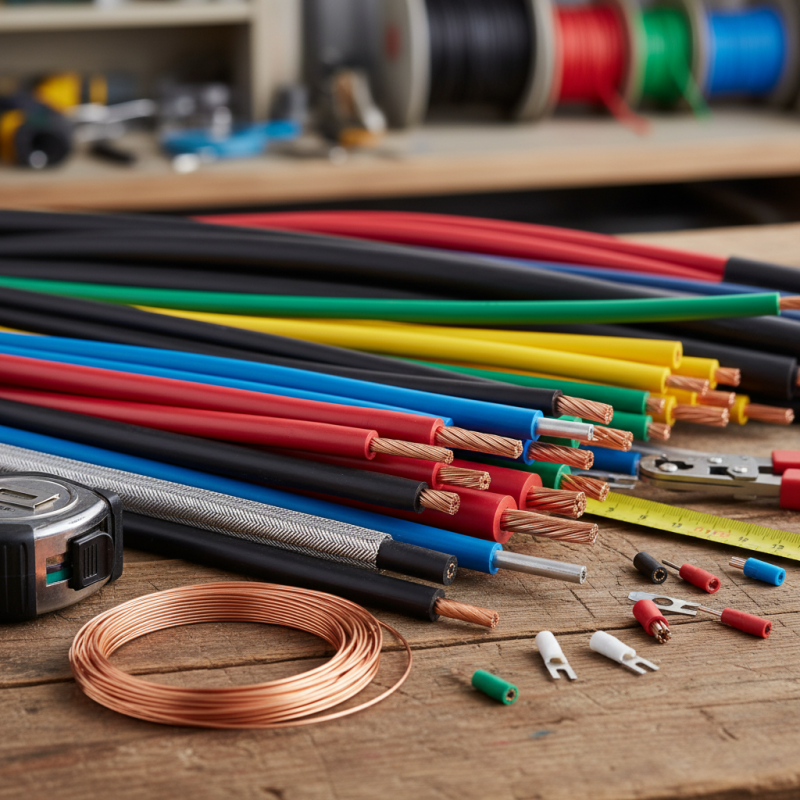
Choosing the right cable wire can be a daunting task. Numerous options are available, and each serves a unique purpose. Whether you need cable wire for electrical work, telecommunications, or audio applications, understanding the specifics can make a difference.
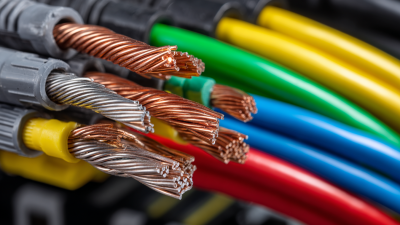
Consider the material of the cable wire. Copper and aluminum are common choices. Copper offers excellent conductivity, while aluminum is lighter and often cheaper. Think about the insulation too. Various types exist, each rated for specific conditions. This affects how safe and efficient your setup will be.
You may also reflect on length and gauge. Too thin may lead to overheating, while too thick could be overkill. It's important to balance cost and performance. Remember, the wrong choice may lead to poor results or even hazards. Take your time, weigh your options, and don't hesitate to seek expert advice.
Understanding Different Types of Cable Wires and Their Applications
Choosing the right cable wire is essential for any project. Several types of cable wires exist, each designed for specific functions. Understanding their applications helps in making the best choice. For example, copper wires are excellent for electrical conductivity. They are commonly used in household wiring. On the other hand, fiber optic cables are used for high-speed internet connections. Their design allows for faster data transmission over long distances.
When selecting cable wires, one key tip is to consider the environment. Will the wires be exposed to weather? If so, choose wires with durable insulation to prevent damage. Additionally, the gauge of the wire matters. A thicker gauge can carry more current but may be harder to work with. Think about the space available. A bulkier wire can take up too much room in tight spots.
Don’t forget to evaluate your specific needs. Sometimes, a less expensive wire could suffice for simple projects. However, for more complex installations, investing in quality is important. Testing your selected wire before final use is a good practice. Be aware of potential pitfalls, such as compatibility issues with connectors.
Assessing Environmental Factors: Indoor vs. Outdoor Use of Cables
When choosing cable wires, considering their environment is crucial. Indoor and outdoor cables differ significantly in materials and construction. A report by the National Electrical Manufacturers Association indicates that outdoor cables often have thicker insulation. This insulation protects against UV rays and moisture. Indoor cables, however, focus more on flexibility and ease of installation.
**Tip:** Always check the IP rating of the cable. This rating indicates its level of protection against dust and water. For instance, a cable with an IP67 rating can be submerged in water, making it suitable for wet conditions. Indoor cables do not need such high ratings, but they still require compliance with safety standards.
Incorporating environmental factors can prevent future issues. Wire exposed to outdoor conditions will deteriorate faster. A study suggests that exposure to sunlight can reduce cable lifespan by up to 50% without proper shielding. Ensure that the cable’s jacket material is appropriate for your environment. Using the wrong type could result in malfunction or safety hazards. Inspecting cables regularly is a good habit, but users sometimes overlook this vital step. Remember, not all cables are created equal, and knowing the right application can save you money in the long run.
Determining Cable Length and Flexibility for Your Specific Needs
When determining cable length and flexibility, specific needs matter significantly. The required length often depends on the installation location. For instance, a longer cable may be necessary for stretch applications, while shorter cables reduce clutter. According to a report by the Wiring and Cable Manufacturers Association, improper length selection can lead to 20% more failures in electrical systems.
Flexibility is crucial for applications where movement is expected. Cables used in robotics or portable devices benefit from high flexibility ratings. A study published in the Journal of Electrical Engineering emphasized that rigid cables can fracture under strain. This point resonates with users needing durable options. Factors like the number of bends and twists are essential when assessing flexibility.
Some professionals overlook their environment when selecting cables. For example, temperature fluctuations can affect cable performance. Choosing cables that can withstand these conditions can avoid costly repairs. Ensuring the right balance between length and flexibility is vital. Many users struggle with this decision, sometimes leading to impractical choices. Thus, always consider your specific needs carefully.
How to Choose the Right Cable Wire for Your Needs?
| Cable Type |
Cable Length (ft) |
Flexibility Rating |
Best Use Case |
| Type A |
10 ft |
High |
Indoor use, flexible bends |
| Type B |
15 ft |
Medium |
Basic home appliances |
| Type C |
20 ft |
Low |
Outdoor use, less flexible |
| Type D |
25 ft |
High |
Industrial applications |
Choosing Insulation and Jacket Materials for Optimal Performance
When selecting insulation and jacket materials for cables, performance is crucial. PVC is a common choice. It offers durability and resistance to moisture. However, it may not be the best for high temperatures. In contrast, thermoplastic elastomers provide flexibility and temperature resistance. Yet, they can be more expensive.
Consider the environment in which the cable will be used. If it’s outdoors, UV resistance matters. For industrial settings, chemical resistance is vital. Some materials withstand certain chemicals better than others. This can affect the lifespan of your cables. Think about the long-term implications of your choices.
Lastly, don’t overlook the impact of cable size. Thinner cables may be more pliable, but often sacrifice strength. Larger cables can handle more current but may be unwieldy. Finding a balance between size and performance can be tricky. Reflect on your priorities and the unique demands of your project. Remember, each material choice has trade-offs worth considering.
How to Choose the Right Cable Wire for Your Needs?
This chart displays the performance of various insulation and jacket materials used in cable wires. The materials are evaluated based on their thermal resistance, flexibility, and durability, which are key factors in choosing the right cable wire for different applications.