How to Choose the Right Cooker Cable for Your Needs?
Choosing the right cooker cable can be a daunting task. With a wide range of options available, how do you know what suits your needs? As electrical expert John Simmons once said, "Not all cooker cables are created equal." This insight reminds us to consider several factors before making a purchase.
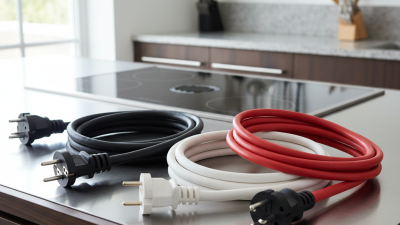
Cooker cables serve a critical purpose. They connect your cooking appliance to the power supply. If you choose the wrong one, it can lead to serious issues. For example, an undersized cable may overheat, posing a fire risk. It’s essential to pay attention to the specifications. Check the voltage and amperage ratings carefully.
Choosing a cooker cable also involves understanding your installation environment. Think about the distance to power sources. Are you installing it in a kitchen renovation? Is it for new equipment? These elements can affect your choice. You want a durable solution that meets all safety standards. Don't rush your decision. Take the time to weigh your options and reflect on your needs. Every detail matters when it comes to safety and efficiency.
Understanding Cooker Cable Types and Specifications
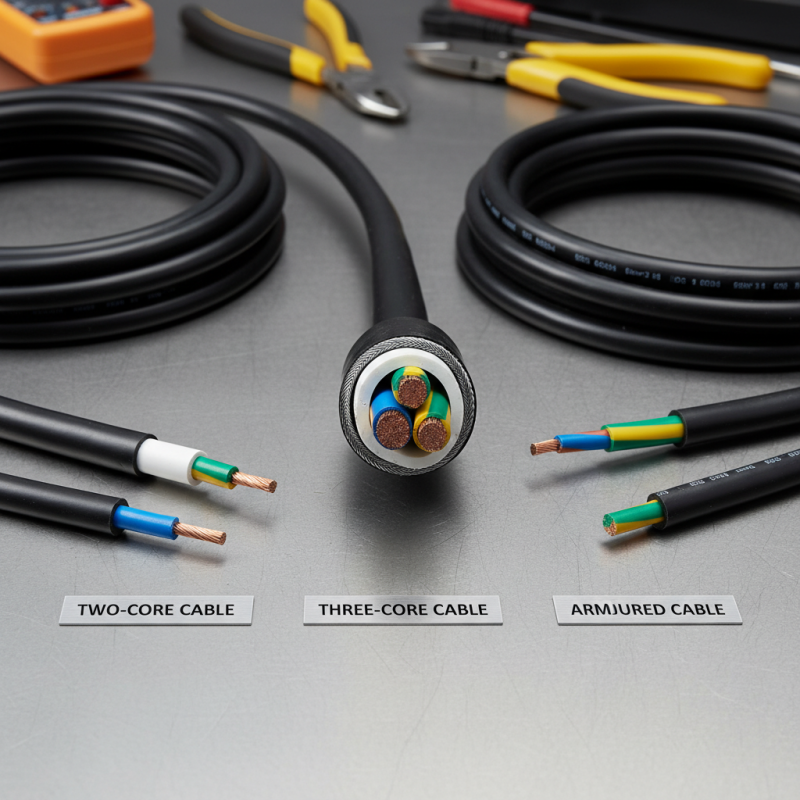
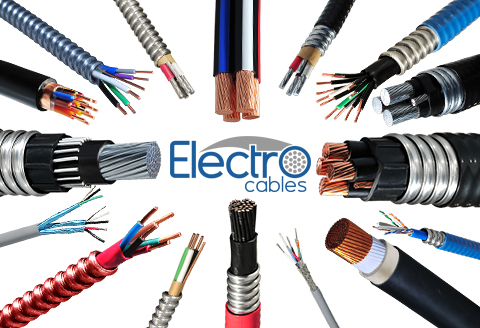
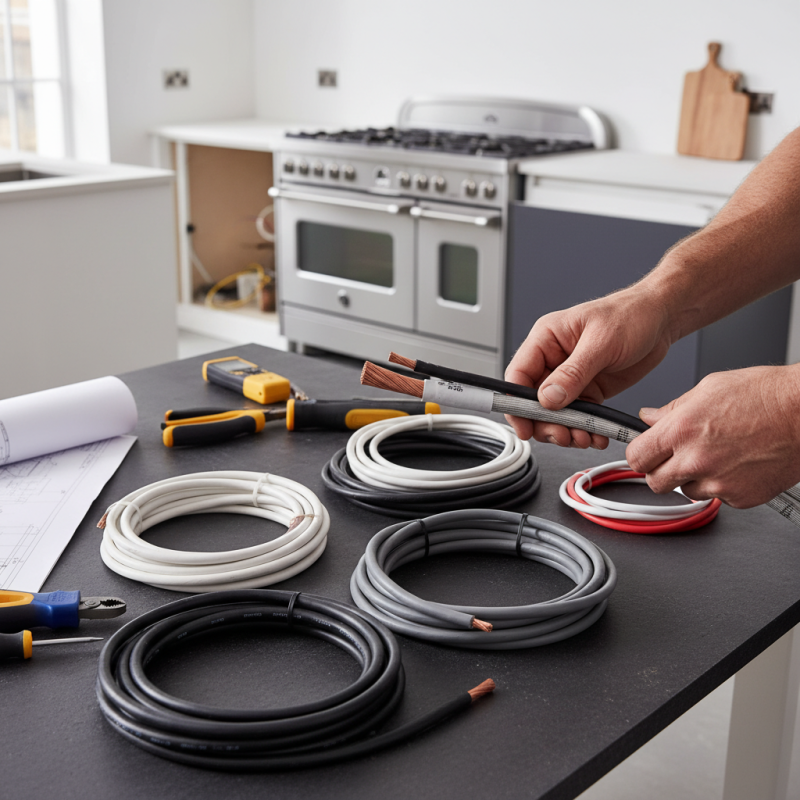
Cooker cables come in various types and specifications, making it crucial to understand their differences before making a choice. The most common types include two-core, three-core, and armored cables. According to industry reports, three-core cables are the most widely used. They offer better safety features due to the additional earth wire. This wire provides grounding, helping to prevent electrical shocks.
Specification is equally important when choosing a cooker cable. Cables typically have current ratings, which indicate how much load they can handle. For instance, a 6mm² cable can carry up to 32 amps safely. However, many kitchens use high-powered cookers that may require a 10mm² cable to manage the load effectively. Ignoring this aspect could lead to overheating and potential fire hazards.
Selecting the right length matters too. A longer cable can introduce more resistance, which affects performance. Homeowners often overlook this, leading to underperformance or even appliance failure. Proper installation of cooker cables should always adhere to safety standards. It can be alarming to realize that many DIY installations fail to meet these requirements.
Assessing Electrical Requirements for Your Cooker
When selecting a cooker cable, it's crucial to assess your electrical requirements. Start by checking the ampere rating of your cooker. Most cookers need a cable that can handle 13 amps or more. If your cooker has a higher power rating, you’ll need a thicker cable. This ensures safety and optimal performance.
Consider the length of the cable as well. Longer cables may lead to voltage drops, affecting your cooker's efficiency. It’s advisable to use shorter connections where possible. Also, take time to inspect your existing wiring. Old or damaged wires can lead to overheating.
Plan for future upgrades too. If you’re considering a more powerful cooker, choose a cable that accommodates that. Reflect on your needs over time. A little extra planning now can save you from hassle later. Balancing these aspects is important for long-term success. Adjusting your choices based on these factors can be essential in ensuring a smooth cooking experience.
Evaluating Safety Standards and Compliance for Cooker Cables
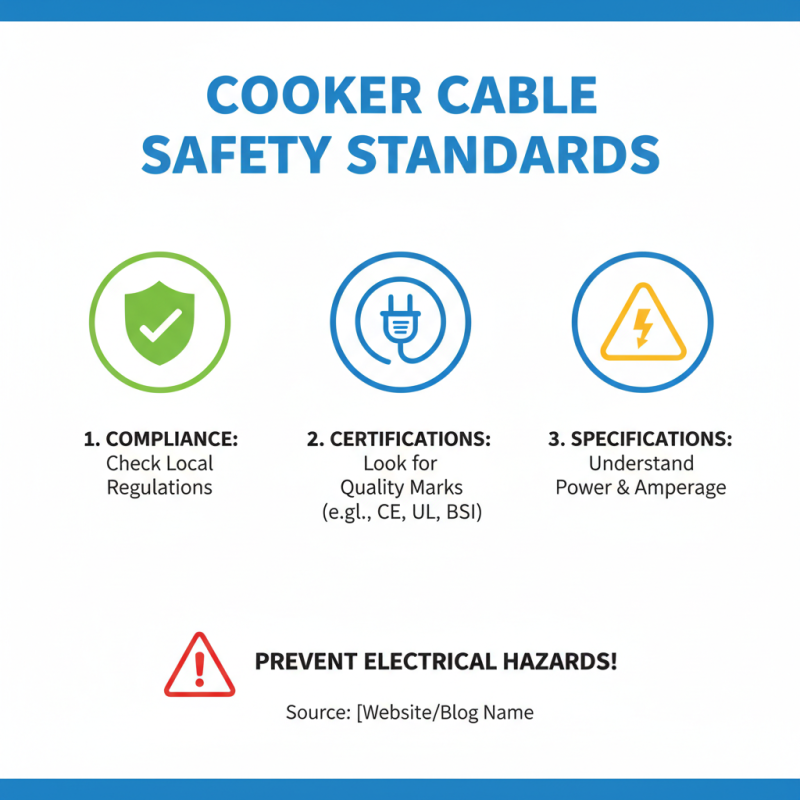
When evaluating cooker cables, safety standards are crucial. The right cable can prevent electrical hazards. Look for cables that are compliant with local safety regulations. This includes checking for certifications that ensure quality and safety. Understanding the specifications can be overwhelming, especially for those new to electrical products.
Consider the cable's voltage and amperage ratings. These specifications indicate the cable's capability to handle high-demand appliances. An underrated cable can lead to overheating or failures. It's essential to match the cable to the appliance's requirements. Check for durability in the materials used. A well-constructed cable resists wear and tear over time.
Don't ignore the importance of installation practices. Even a compliant cable can become dangerous if improperly installed. Misconnections can lead to short circuits or, worse, fires. Consulting a professional can offer peace of mind. Seeking help may feel costly, but it is worth avoiding risks. Regularly inspect cables for damage or wear, as neglect can have dire consequences.
Choosing the Right Length and Thickness for Your Installation
When selecting a cooker cable, length and thickness are crucial factors. The right length prevents unnecessary tension or slack. It should reach the power source without stretching. Measure the distance precisely. A bit of extra length can be useful, but too much can create clutter.
Thickness is just as important. A thicker cable can handle higher current levels. This can improve safety and efficiency. However, thicker cables are harder to install. Weigh the benefits against the challenges. Some may choose thinner cables for ease but risk overheating.
Consider similar installations in your area. Sometimes people overlook local practices. Also, think about future needs. Will you expand your cooking appliances? It’s valuable to invest in a durable, adequate cable system to avoid replacements soon after installation. Take time to reflect on your choices and their long-term impacts.
How to Choose the Right Cooker Cable for Your Needs?
Understanding the importance of choosing the right length and thickness of cooker cables can help in ensuring safety and efficiency in your installations. This bar chart provides insights into common cable lengths and their corresponding thickness (cross-sectional area) suitable for different cooker installations.
Installation Considerations and Professional Assistance Options
When choosing a cooker cable, installation considerations are crucial. The type of cooker you have impacts the cable requirements. Ensure the cable can handle the voltage and current your appliance uses. Check local electrical codes for compliance. A mismatch can lead to serious hazards.
Tips: Always consult a professional if you're unsure. Handling electrical components without expertise is risky. It's easy to overlook small details. Even a minor mistake can lead to outages or potential fires.
Professional assistance is often necessary for installation. They understand electrical systems and can provide invaluable insight. Also, having a professional do the installation can save you time. You can focus on cooking instead of worrying about wires. User error can lead to costly repairs later.
Consider the layout of your kitchen as well. Ensure accessibility for future maintenance. Planning can minimize stress later. Reviewing multiple options allows for better decision-making, too. Don’t rush it; take your time to ensure safety and reliability.