How to Choose the Right Shielded Power Cable for Your Needs?
Choosing the right shielded power cable can be crucial for various applications. These cables protect against electromagnetic interference, ensuring that your power supply is stable and reliable. It's essential to consider factors such as voltage, current rating, and environmental conditions when making your choice.
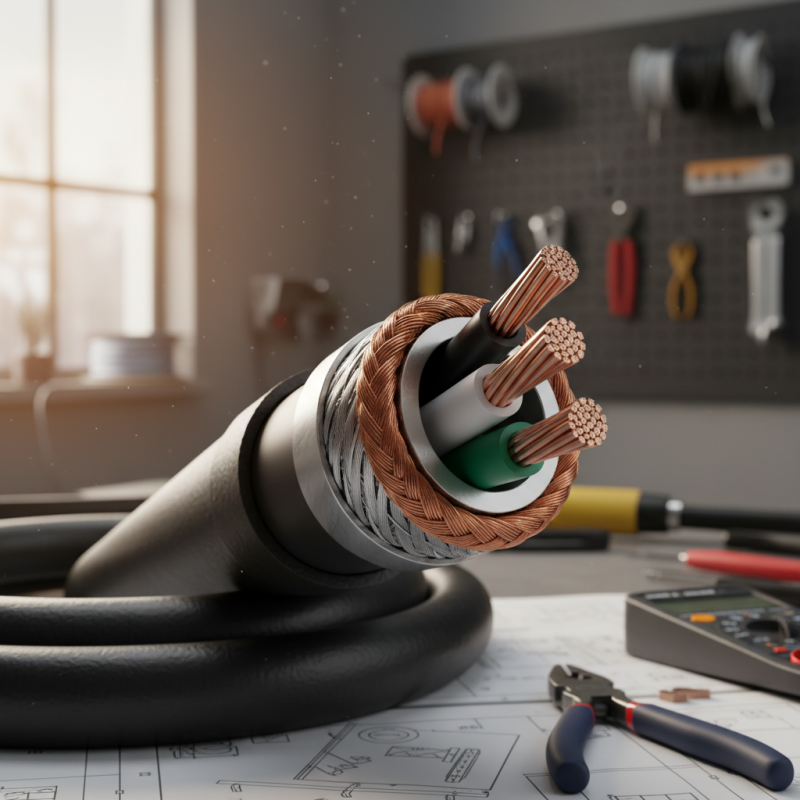
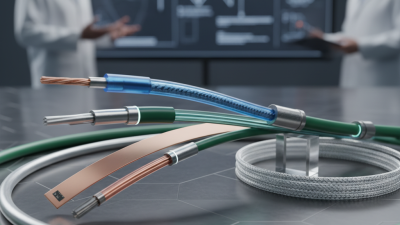
A shielded power cable typically includes multiple layers of shielding materials. This helps minimize noise and signal loss, especially important in sensitive installations. However, not all cables are created equal; the wrong choice can lead to inefficiencies or even equipment failure.
Take time to evaluate your specific needs. Test different options if possible. Rushing this decision may result in costly mistakes. It's always wise to consult with experts in the field. Remember, the right shielded power cable makes a difference in your project's success.
Understanding Shielded Power Cables and Their Importance
Shielded power cables are crucial for many applications. They protect electrical signals from interference. This ensures that your devices function correctly. Using shielded cables can enhance performance in industrial settings. They help reduce noise and signal distortion.
When choosing a shielded power cable, consider your environment. Are there high levels of electromagnetic interference? If so, a heavier shield may be necessary. Look for cables with multiple layers of shielding. This can provide better protection against noise. Also, pay attention to the cable's insulation. High-quality insulation can prevent breakdowns.
Tips: Always assess your specific needs. Take into account the distance the cable must cover. For longer distances, thicker cables may be needed. Check the temperature ratings too. Make sure the cable can handle the heat of its placement. Test your setup after installation. Sometimes, even minor adjustments can yield better results.
Shielded Power Cables vs. Unshielded Power Cables
Identifying Your Power Cable Requirements Based on Application
When selecting a shielded power cable, understanding your application is crucial. Different applications demand specific cable features to function safely and efficiently. For instance, industrial environments often require cables that can withstand harsh conditions. According to a recent industry report, around 70% of system failures relate to improper cable selection. This statistic highlights the importance of careful decision-making based on specific needs.
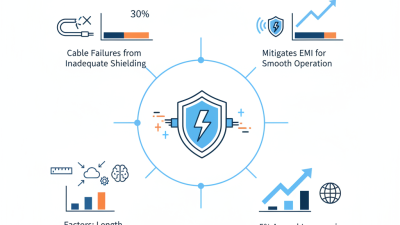
Consider the electromagnetic interference (EMI) requirements of your application. In environments with heavy machinery, EMI can disrupt operations. Studies show that shielded cables reduce EMI by up to 90%. This reduction enhances equipment performance and protects sensitive electronics. Moreover, temperature ratings also matter. Operating in extreme heat or cold can damage unqualified cables. Many cables have varying insulation materials suited for different temperature ranges.
Reflecting on your installation environment is key. Factors like exposure to moisture or chemicals can influence durability. While some cables perform well outdoors, others only excel indoors. A common mistake is assuming that a single cable type will suffice for all applications. This leads to potential failures and increased costs. Poor cable choices can result in downtime. Ultimately, knowing your application specifics is vital for making informed cable selections.
Factors to Consider When Selecting Shielding Materials
When selecting shielding materials for power cables, several factors come into play. The type of environment is crucial. For instance, industrial areas may have high electromagnetic interference, while residential spaces might have less. Understanding where the cable will be used helps in making an informed choice. Not all shielding materials provide the same level of protection. Copper and aluminum are common choices but vary in efficiency.
Another critical aspect is mechanical strength. The shielding should withstand physical stresses. In applications where cables are subject to bending or abrasion, durability is vital. It’s easy to overlook this, but weak shielding can lead to failure over time. Pay attention to the thickness of the material used. Thinner shields may seem appealing for flexibility, yet they could offer less protection.
Environmental factors also matter. Will the cable be exposed to moisture, chemicals, or extreme temperatures? These elements impact the materials' performance. Some may corrode or degrade faster than expected in harsh conditions. This oversight can result in costly repairs and downtime. Always weigh the protective qualities against the specific application needs. Thoughtful reflection on these details can guide you to the right choice.
Evaluating Cable Ratings and Environmental Conditions
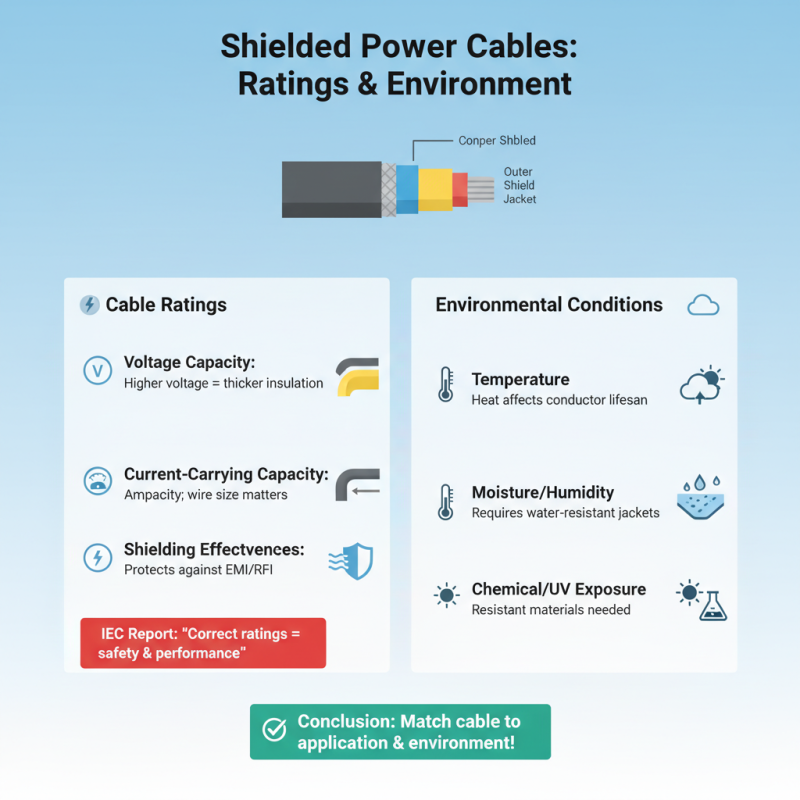
Choosing the right shielded power cable involves understanding cable ratings and environmental conditions. Power cables are rated based on their voltage, current-carrying capacity, and shielding effectiveness. A report from the International Electrotechnical Commission (IEC) states that correct ratings are crucial for safety and performance. High-voltage cables typically require better insulation and robust materials.
Environmental conditions play a significant role. For instance, cables in damp environments need waterproofing. As per the National Fire Protection Association (NFPA), moisture can degrade insulation, resulting in short circuits. Temperature extremes also challenge cables. The American National Standards Institute (ANSI) suggests working within specified temperature ranges to maintain optimal performance.
**Tips:** Always consider thermal effects when selecting cables. Cable longevity can vastly differ based on installation conditions. Poor grounding can lead to electromagnetic interference. A well-grounded system minimizes such risks. If unsure about ratings, consulting a professional may provide insights. Regular checks can prevent silent failures. Remember, ignoring cable conditions can lead to expensive downtime and safety issues.
Assessing the Cost-Effectiveness of Different Cable Options
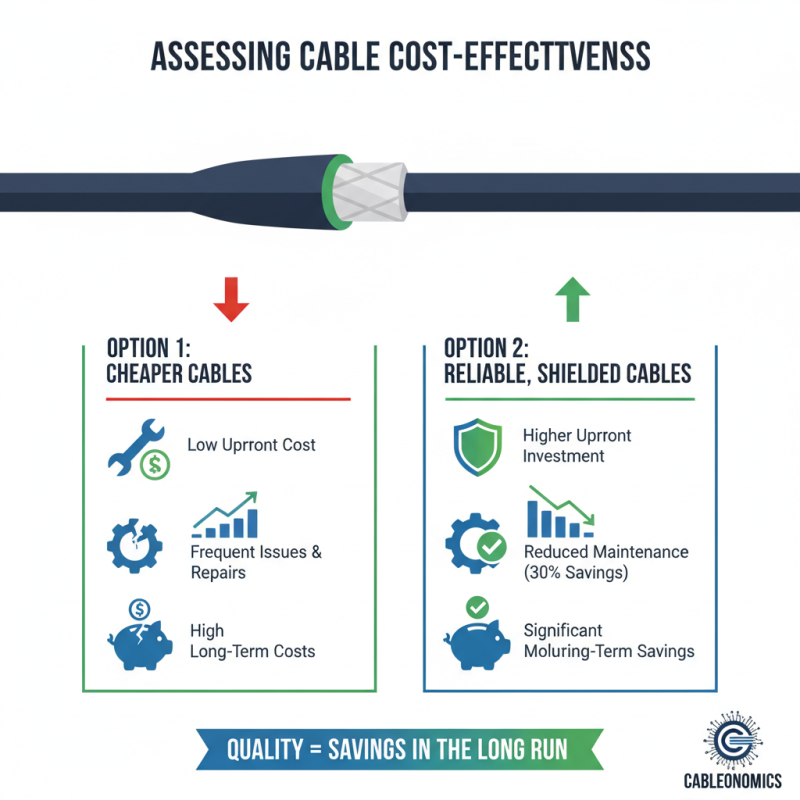
When considering shielded power cables, cost-effectiveness is crucial. High-quality cables can be expensive, yet cheaper alternatives might lead to issues. According to industry reports, investing in reliable cables reduces maintenance costs by nearly 30%. This means that while upfront costs may be higher, long-term savings can make them worthwhile.
Tips: Assess the application environment. Harsh conditions demand better shielding. This is non-negotiable in some cases. Analyze your power requirements. Over-specifying can waste resources. Matching the cable to the application is essential.
Consider the total cost of ownership. This includes installation, maintenance, and operational efficiency. Many overlook these factors, focusing solely on initial costs. A poor choice can result in downtime and higher repair expenses. Some reports indicate that inadequate shielding can increase power loss by up to 15%. Reflect on these aspects to avoid regret later.