How to Choose the Right Steel H Beams for Your Project?
Choosing the right Steel H Beams is crucial for the success of any construction project. According to a report by the American Institute of Steel Construction (AISC), steel beams account for nearly 50% of the weight of structural steel in buildings. This significant percentage emphasizes the importance of selecting high-quality beams that can withstand various loads and stresses.
The construction industry relies heavily on steel H beams for their strength and versatility. A study by the National Institute of Standards and Technology (NIST) shows that improper selection can lead to structural failures. This can result in expensive repairs and delays, impacting project timelines and budgets.
When evaluating options, consider factors such as material grade, dimensions, and coatings. Proper engineering support can guide the decision-making process. However, it's essential to recognize that even experienced engineers may overlook certain details. An in-depth analysis can reveal overlooked specifications that contribute to structural integrity. Thus, thorough research and expert consultation are key in this decision-making process.
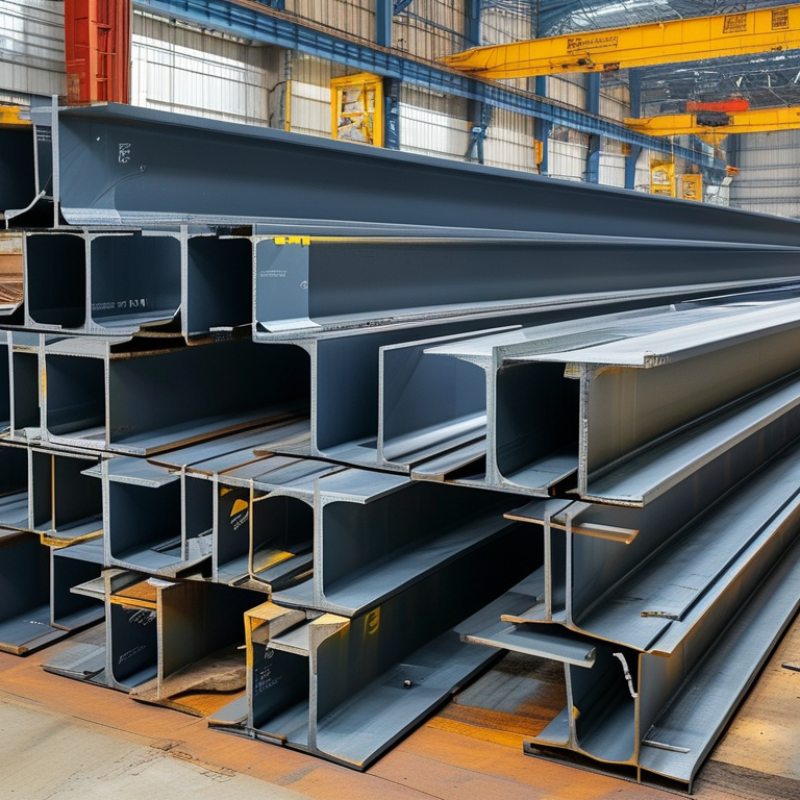
Understanding the Different Types of Steel H Beams Available
When choosing the right steel H beams for your project, understanding the types available is crucial. Steel H beams come in various sizes and grades. Each type serves a specific purpose, depending on the structural requirements.
W10 and W12 beams are common for residential buildings. They are lightweight yet strong. For larger structures, W18 and W24 beams offer superior load-bearing capabilities. It’s important to assess the load your project will carry. If you’re unsure, consulting a structural engineer can be beneficial.
Another significant factor is the steel grade. ASTM A36 and A992 are common grades. A36 is versatile for general use, while A992 is preferred for its higher strength in steel frame construction. However, using the wrong grade can lead to unexpected failures. Always double-check the specifications before making a purchase. Understanding these differences can help prevent costly mistakes in the long run.
Evaluating Load-Bearing Capacity for Your Specific Project Needs
When choosing steel H beams, evaluating load-bearing capacity is crucial. Different projects require specific weight tolerances. According to industry data, the correct load-bearing capacity is influenced by the beam size, material quality, and project design. For instance, beams with larger flanges typically support greater loads. In contrast, smaller beams might be sufficient for lighter structures, such as residential buildings.
It's vital to compute the total load the beam must support, including live and dead loads. Live loads are variable, such as people or furniture, while dead loads remain constant, like the weight of the beam itself and attached structural elements. Research indicates that a structural engineer should assess these loads to ensure safety and stability. Using precise calculations strengthens the project and enhances durability.
Understanding specific project needs is essential in this choice. Always consider beam length, span, and spacing. Overly generous allowances can lead to unnecessary costs and excess structural weight. Opting for a beam that is too large can affect aesthetics and efficiency. Periodic reviews during construction ensure the selected beams meet load requirements without compromise.
Assessing the Environmental Conditions for Steel Beam Durability
When selecting steel H beams, understanding environmental conditions is crucial. The location of your project significantly impacts the durability of steel beams. Areas with high humidity, saline atmospheres, or pollution can accelerate corrosion. This leads to a reduction in the beam's lifespan. Regular inspections are important to identify issues early.
Consider the surrounding climate. Extreme temperatures can cause thermal expansion and contraction. This might stress the beams over time. If your project is near the coast, consider using corrosion-resistant coatings. These can provide added protection. For urban areas, think about air quality and potential corrosive substances.
Evaluating soil conditions is also essential. Poor ground stability may lead to shifting, putting strain on the beams. Always assess the load distribution carefully. Over time, unexpected stresses might require beam replacements, which can be costly. The right choices today will pay off in the long run. Don't overlook the importance of proper planning and detailed environmental assessments.
Determining the Right Size and Dimensions for Your Application
When selecting the right steel H beams for your project, understanding their size and dimensions is crucial. The beams are categorized by standard sizes. Common configurations vary in height from 4 to 24 inches, with flange widths ranging from 4 to 12 inches. According to industry reports, using the correct beam size can influence load capacity by up to 25%. This emphasizes the need for proper calculations during the planning phase.
Evaluating the load requirements is essential. A properly sized beam must accommodate static and dynamic loads, including additional factors like environmental conditions. For instance, a beam's depth often affects its strength and stability. Research indicates that deeper beams generally provide better load distribution. However, the weight of the beam also impacts the overall structure, adding complexity to your selection.
Users often make mistakes by choosing beams based solely on cost or availability. It's important to engage with structural engineers who can provide insights based on design specifications and local building codes. Thoughtful consideration of size, dimensions, and material properties will result in a more effective and reliable structure.
Considering Cost-Effectiveness and Material Availability in Your Selection
Choosing the right steel H beams can significantly impact your project's success. When considering cost-effectiveness, you need a balance between quality and budget. Steel prices fluctuate based on market conditions. Understanding local prices can lead to better selection. Bargaining with suppliers might yield discounts, but do not compromise on quality.
Material availability also plays a key role in your choice. If a specific size or grade is hard to find, it can delay your project. Sometimes, standard sizes are more readily available and cost-effective. Be aware of lead times and stock levels at local suppliers. It's not uncommon for planners to overlook these factors, leading to costly delays.
When selecting H beams, consider the long-term implications of your materials. A slightly higher upfront cost for durable steel could save you in repairs later. Evaluate alternative sources to broaden your choices. But remember, not all steel is created equal. Research the properties and ratings of the available materials before making a decision. This approach often reveals unexpected insights into the best options for your project.
How to Choose the Right Steel H Beams for Your Project?
| Grade | Weight per Meter (kg) | Yield Strength (MPa) | Cost per Ton (USD) | Availability |
| S235 | 50 | 235 | 600 | High |
| S355 | 60 | 355 | 750 | Medium |
| S460 | 70 | 460 | 900 | Low |
| A572 | 65 | 345 | 700 | Medium |