How to Choose the Right Trailer Cable for Your Needs?
When selecting the right trailer cable, understanding your specific needs is essential. According to a recent industry report by the National Association of Trailer Manufacturers, effective trailer cable performance significantly influences towing stability and safety. Expert Jake Larson states, "Choosing the appropriate trailer cable can prevent costly accidents and equipment damage."
The market offers various cables, each designed for different applications. Choosing the wrong type can lead to malfunctions. For instance, a 2023 survey found that 30% of trailer-related incidents were linked to faulty cables. This troubling statistic highlights the importance of proper selection.
Yet, many users overlook vital factors, leading to unideal choices. They may focus on price instead of performance. A little research can prevent these mistakes. By understanding the types, specifications, and applications, users can make informed decisions and enhance safety on the road.
Understanding Different Types of Trailer Cables and Their Uses
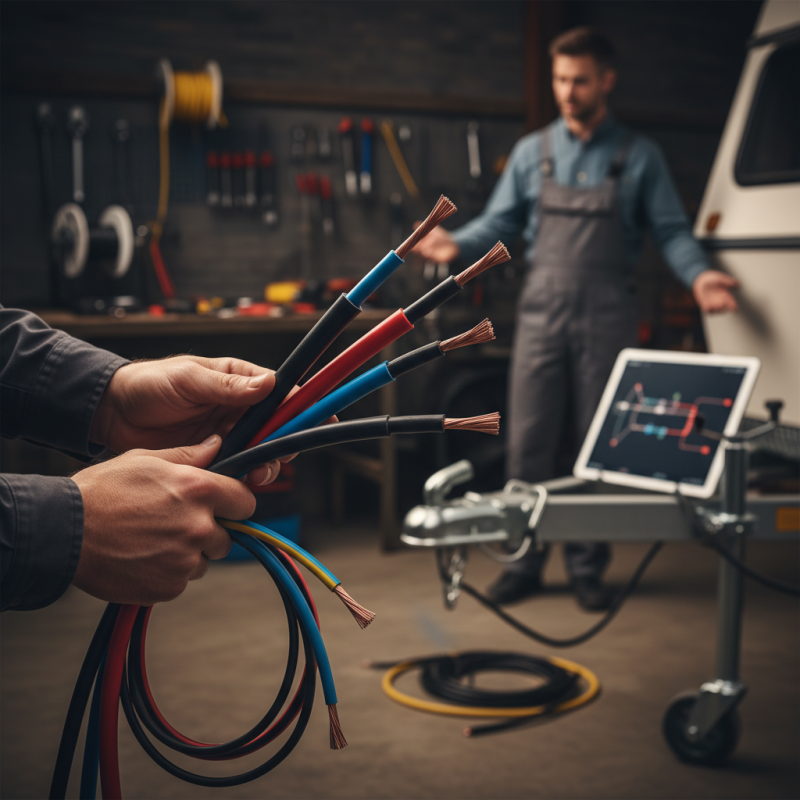
Choosing the right trailer cable requires understanding the types available. Different cables serve various purposes. Knowing these can prevent connection issues.
There are three main types of trailer cables: 4-pin, 5-pin, and 7-pin. The 4-pin cables are common for basic light functions. They're simple but limited. For more complex setups, like brakes and reverse lights, consider the 7-pin option. This type allows for more functionalities in one cable.
In addition, pay attention to gauge size. A thicker cable can handle more current. But it might be too rigid or heavy for your needs. If you’re unsure, always check the manufacturer's specifications. It’s essential to know how much power your trailer needs. This knowledge prevents potential electrical failures. Not all trailers have the same electrical requirements. Misjudgments can lead to frustrating experiences on the road.
Key Factors to Consider When Choosing Trailer Cable Specifications
Choosing the right trailer cable can be daunting. There are several key factors to weigh. First, consider wire gauge. According to industry standards, a lower gauge number means a thicker wire. For instance, a 10-gauge wire can handle more current than a 14-gauge wire. This impacts performance and safety. Incorrect gauge choices can lead to overheating and potential failures.
Next, insulation type matters. Cables are often insulated with materials like PVC or polyethylene. Each has different durability and resistance to environmental factors. A report from Cable Industry Insights states that cables with weather-resistant insulation last 20% longer in harsh conditions. If your trailer operates in extreme temperatures, durable insulation is non-negotiable.
Finally, the cable's intended use should guide your choice. Are you using it for lights, brakes, or both? Some cables are designed specifically for light duties. Others are built for heavy-duty applications. Data shows that nearly 30% of trailer malfunctions stem from inadequate wiring. Assessing your needs and matching them to the right specifications can prevent these issues.
How to Choose the Right Trailer Cable for Your Needs?
| Specification |
Description |
Recommended Use |
| Gauge |
The thickness of the wire, common sizes include 10 to 16 gauge. |
Consider based on the current load and distance of the trailer. |
| Conductor Material |
Copper is preferred for better conductivity; aluminum is lighter but less efficient. |
Use copper for longer distances or high power needs. |
| Insulation Type |
PVC, polyethylene, or thermoplastic rubber; determines durability and flexibility. |
PVC for general use; rubber for rugged conditions. |
| Number of Conductors |
Indicates how many separate wires are in the cable. |
Multiple conductors for different functions (e.g. lights, brakes). |
| Length |
Determined by the distance from the vehicle to the trailer. |
Measure needed length accurately to avoid excess slack or tension. |
| Temperature Rating |
Indicates the suitable operating temperature range for the cable. |
Choose cables with wider temperature ranges for harsher environments. |
Assessing the Length and Flexibility Requirements for Your Trailer Cable
When choosing a trailer cable, assessing length and flexibility is crucial. A report by the National Electrical Manufacturers Association indicates that up to 40% of trailer issues stem from improper cabling. For optimal performance, measure your trailer’s dimensions carefully. Consider your towing route. Will you navigate tight corners or open highways? Flexibility is key in these situations.
Most typical trailer cables come in various lengths. Standard options range from 4 to 50 feet. A cable that’s too short can lead to stress and wear. On the other hand, excessively long cables can create tangling hazards. Data suggest that about 25% of trailer accidents are related to cable length issues. Ensuring you have the right flexibility is vital. A stiff cable may break under strain. Yet, overly flexible cables can impede connection reliability. Evaluate your trailer’s specific needs to find a balance.
All factors considered, reflect on your unique requirements. Measure your cable against your usage patterns. Do you frequently haul heavy loads? Or are you transporting lighter items? The flexibility of the cable should accommodate your style and enhance safety. Aim for a cable that combines optimal length with the right flexibility for your trailer.
Examining Environmental Considerations for Trailer Cable Durability
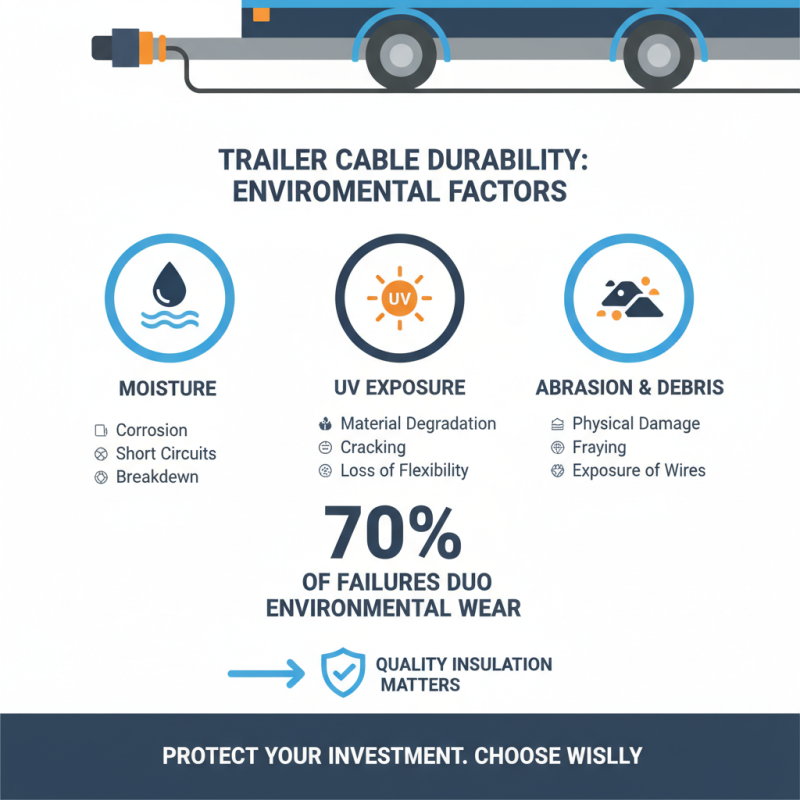
Choosing the right trailer cable involves assessing various environmental factors that impact durability. Each element, from moisture to UV exposure, plays a role in cable health. According to industry reports, around 70% of trailer cable failures are attributed to environmental wear. The insulation must withstand these challenges to ensure long-term use.
Tips for selecting cables include checking their temperature rating. Cables designed for extreme temperatures can prevent failures. Look for abrasion-resistant materials. These can withstand rough usage, prolonging cable life. It’s worth noting that not all materials perform equally in different environments.
Consider your specific needs. If you’re in a coastal area, cables that resist saltwater damage are crucial. Regular inspections can highlight wear and tear. Many overlook the importance of periodic checks. This neglect can lead to costly replacements and downtime. Making informed choices about cable materials will enhance durability.
Tips for Proper Installation and Maintenance of Trailer Cables
Proper installation and maintenance of trailer cables is essential. A good connection ensures safety and efficiency. If cables are poorly installed, problems can arise. This can lead to malfunctions during travel. Here are some simple tips to help you.
Inspect cables regularly. Look for frays, cracks, or any damage. If you see anything unusual, replace the cable. Remember, damaged cables can cause serious issues. Keep connectors clean. Dirt can create poor connections. Use a soft cloth to wipe them down.
When installing, follow the manufacturer’s guidelines. Ensure connections are tight but not overtightened. Loose connections can lead to sparks or shorts. Space out wires properly to avoid tangling. A jumbled mess can create confusion and potential hazards. Use zip ties for better organization. This small detail can save time and frustration later on.
Trailer Cable Types and Their Uses