What is a Dump Truck Hydraulic Cylinder and How Does It Work?
The Dump Truck Hydraulic Cylinder plays a vital role in the construction industry. According to John Smith, a hydraulic systems expert, “The efficiency of a dump truck relies heavily on its hydraulic components.” This highlights the importance of understanding how these cylinders function.
Hydraulic cylinders are central to a dump truck's lifting capability. When activated, they convert hydraulic energy into mechanical force. The cylinder's ability to lift loads allows dump trucks to efficiently transport materials like gravel or dirt. Yet, many don't fully grasp the engineering behind these mechanisms.
While hydraulic systems are robust, they can face issues over time. Leaks and wear can diminish performance. Regular maintenance can help prevent failures and enhance reliability. Understanding the mechanics of a Dump Truck Hydraulic Cylinder is crucial for anyone in this field. It ensures safer and more efficient operations, highlighting the need for continuous learning and improvement.
What is a Dump Truck Hydraulic Cylinder?
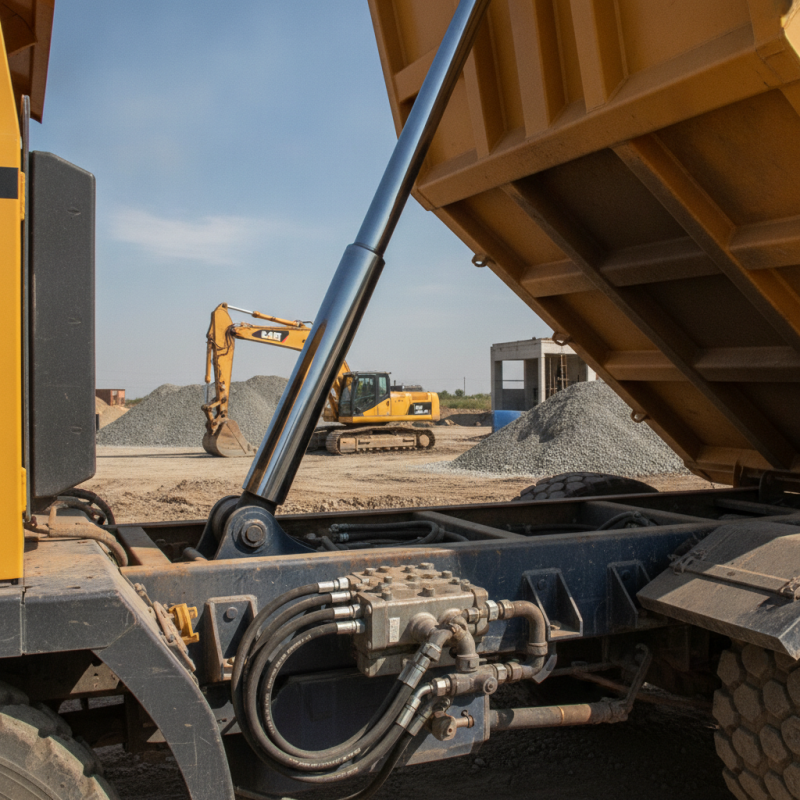
A dump truck hydraulic cylinder is a critical component in the vehicle's operation. This cylinder uses hydraulic pressure to raise and lower the dump bed, allowing for efficient loading and unloading. It consists of a piston and cylinder that work together to generate force. When hydraulic fluid is pumped into the cylinder, the piston moves, and the bed tilts upward. This system is vital for construction, mining, and various other industries.
Understanding this technology can help operators maintain their equipment effectively. Hydraulics can be complex, and issues may arise from wear or fluid leaks. Regular inspections are essential. Check the hydraulic fluid levels frequently. A low fluid level can cause the cylinder to fail.
Using proper technique while operating can also prevent accidents. Overloading the dump bed may strain the hydraulic system. This can lead to premature wear or even catastrophic failure. Always adhere to the vehicle's load capacity guidelines.
Hydraulic cylinders require attention to detail. Even small leaks can lead to bigger problems. Identifying these issues early enhances safety and reliability. Keep your equipment in optimal condition by following maintenance schedules diligently. Remember, knowledge and care are crucial for effective operation.
Components of a Dump Truck Hydraulic Cylinder
A dump truck hydraulic cylinder is crucial for its functionality. Its components work together to lift and lower the truck bed. Key parts include the cylinder barrel, piston rod, and seals. The cylinder barrel houses the hydraulic fluid, while the piston rod extends and retracts, moving the bed. Seals ensure fluid does not leak, maintaining pressure.
The hydraulic fluid is vital for the system's operation. It transfers force from the pump to the cylinder. This results in efficient lifting and lowering actions. The hydraulic pump generates the fluid pressure needed for operation. Without it, the entire system falters. Wear and tear on seals can lead to serious issues, affecting performance.
Proper maintenance is often overlooked but is essential. Regular checks of the seals and hydraulic fluid levels can prevent unexpected failures. Ignoring these details might result in costly repairs. Understanding these components allows operators to recognize trouble signs early, ensuring smoother operation.
How Hydraulic Cylinders Function in Dump Trucks
Hydraulic cylinders play a critical role in the operation of dump trucks. These powerful devices convert hydraulic energy into mechanical force. When the driver activates the system, hydraulic fluid flows into the cylinder, creating pressure. This pressure pushes the piston inside the cylinder, causing the dump bed to lift. As the bed rises, it allows for efficient unloading of materials like gravel, sand, or dirt.
The functionality of hydraulic cylinders is based on Pascal’s principle. This principle states that pressure applied to a confined fluid is transmitted undiminished in all directions. While this design is effective, it is not without challenges. Over time, seals can wear down, leading to leaks. Regular maintenance is essential for ensuring optimal performance. Neglecting this can result in diminished lift capacity or even failure during operation.
Efficient operation relies heavily on proper hydraulic fluid levels and cleanliness. Contaminated fluid can damage the hydraulic system. Operators should regularly check for any signs of wear or malfunction. It might be easy to overlook small leaks, but they can indicate bigger issues. Understanding the hydraulic system's intricacies enhances operational safety and effectiveness.
What is a Dump Truck Hydraulic Cylinder and How Does It Work? - How Hydraulic Cylinders Function in Dump Trucks
| Dimension | Description | Function | Common Uses |
| Bore Diameter | The inner diameter of the cylinder. | Determines the force output of the cylinder. | Used in various hydraulic applications. |
| Stroke Length | The distance the piston travels within the cylinder. | Indicates how far the bed can be raised. | Essential for dump truck operations. |
| Pressure Rating | Maximum pressure the cylinder can handle. | Ensures safety and prevents failure. | Critical for heavy-duty applications. |
| Material | Commonly made from steel or aluminum. | Affects durability and weight. | Used in construction and mining industries. |
| Type of Actuation | Hydraulic actuation is standard. | Utilizes hydraulic fluid to function. | Common in dump trucks and industrial machinery. |
Common Applications of Dump Truck Hydraulic Cylinders
Dump truck hydraulic cylinders play a vital role in the construction and transportation industries. These cylinders operate by converting hydraulic pressure into mechanical force. When the dump truck’s hydraulic system activates, the fluid flows into the cylinder, causing it to extend and lift the truck bed. This mechanism is essential for efficient loading and unloading of materials.
Common applications of dump truck hydraulic cylinders include construction sites and road maintenance. According to industry reports, over 60% of construction firms rely on hydraulic dump trucks for material handling. These cylinders are effective for transporting aggregates, soil, sand, and gravel. The ability to quickly raise and lower loads enhances productivity on site. However, improper maintenance can lead to cylinder failure, resulting in costly downtime and safety hazards.
Another application is in waste management. Many waste collection trucks utilize hydraulic cylinders to empty containers swiftly. This process is crucial in urban areas where time efficiency is essential. Reports indicate a growing demand for such systems, driven by urbanization and increased waste production. Nonetheless, the complexity of hydraulic systems often leads to overlooked maintenance. Regular inspections and servicing are imperative to ensure reliability and prevent hydraulic failures.
Maintenance Tips for Dump Truck Hydraulic Cylinders
Maintaining dump truck hydraulic cylinders is crucial for efficiency and longevity. Regular checks can save you from costly repairs. Start by inspecting the cylinder for any visible leaks. Fluid leaks are a sign of wear. If you notice any, it’s important to address them immediately. Corrosion can also be an issue. Clean the cylinder regularly to prevent rust buildup.
Another tip is to check the seals and joints. Worn seals can lead to pressure loss. Be proactive in replacing them as needed. Regular lubrication helps too. It reduces friction and prevents premature wear. Avoid over-lubricating, as this can attract dirt and debris.
Inspect the hydraulic lines for cracks and damage. Any damage here can lead to system failures. Ensure that hydraulic fluid levels remain adequate. Low fluid can cause the cylinder to operate inefficiently. Staying attentive to these aspects fosters a more reliable performance. Remember, neglecting maintenance can lead to unexpected failures.
Dump Truck Hydraulic Cylinder Performance Metrics
This bar chart illustrates the performance metrics of a dump truck hydraulic cylinder. The metrics include load capacity, cycle time, maintenance interval, and failure rate. Understanding these metrics is vital for effective maintenance and operation of dump truck hydraulic systems.