Essential Tips for Choosing Shielded Power Cable Are You Prepared?
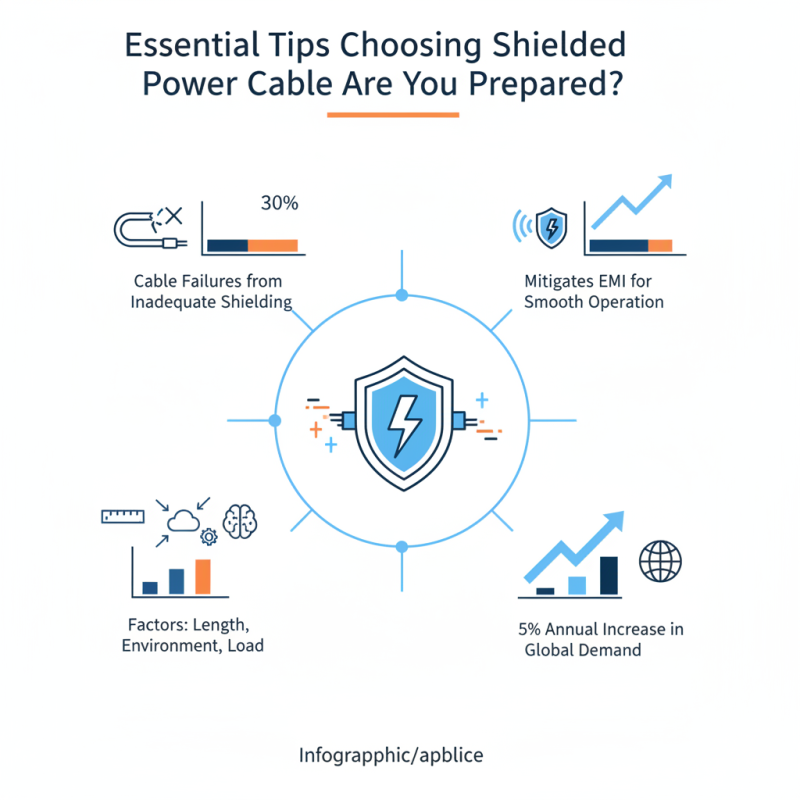
In an increasingly complex electrical landscape, selecting the right shielded power cable is crucial for system performance. Recent industry studies indicate that over 30% of cable failures stem from inadequate shielding. Shielded power cables play a vital role in mitigating electromagnetic interference, ensuring that sensitive equipment operates smoothly.
Choosing the appropriate cable requires an understanding of specific requirements. Factors like cable length, environment, and load need careful consideration. For instance, environments with high levels of electromagnetic interference demand higher-quality shielding. However, many overlook this, leading to costly failures and downtime.
Additionally, the market has seen a surge in demand for reliable power solutions. In fact, research shows that the global demand for advanced power cables increases by 5% annually. The choice of a shielded power cable can significantly impact this trend. Inadequate choices not only affect performance but can also pose safety risks. Thus, preparedness and knowledge are essential in this selection process.
Understanding Shielded Power Cables and Their Importance
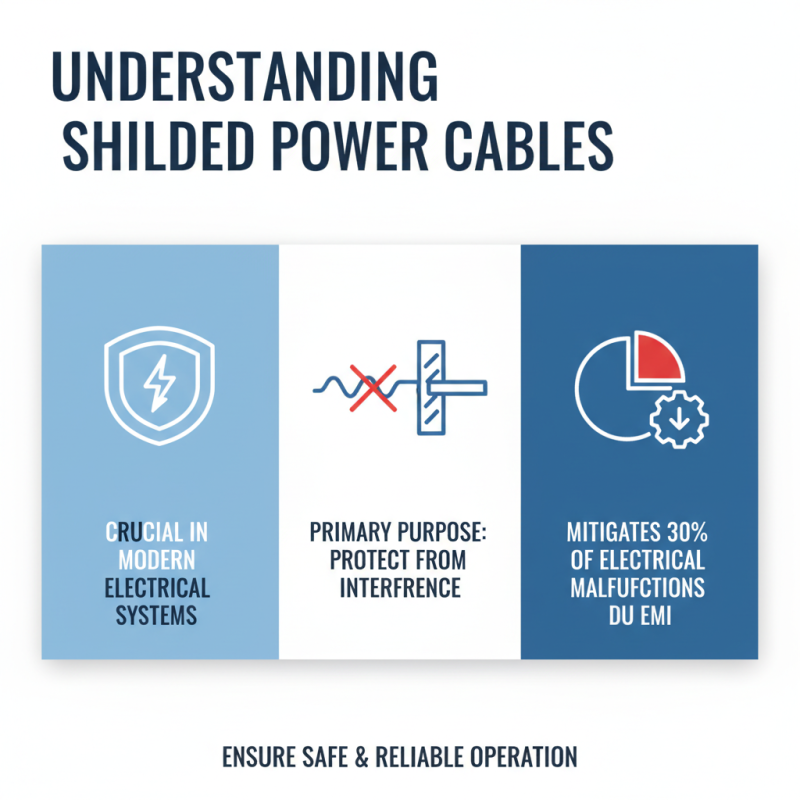
Shielded power cables play a crucial role in modern electrical systems. Their primary purpose is to protect electrical conductors from external interference and to ensure safe operation. According to industry reports, approximately 30% of electrical malfunctions can be attributed to electromagnetic interference. Shielded cables help mitigate these risks by providing a barrier against noise and electrical disturbances.
When selecting shielded power cables, consider the environmental factors. Cables should match the installation conditions. Assess the exposure to moisture, temperature extremes, and mechanical stress. These details might seem minor but can significantly impact cable performance. For instance, cables in harsh environments often have different insulation materials.
Tip: Always check the cable's rating against your application. It’s essential to match the voltage and current requirements accurately. Another point to keep in mind is the shielding type. Foil and braid are common options, but the choice depends on the level of interference expected. Conducting thorough research before purchasing can save you from potential electrical issues down the line.
Key Factors to Consider When Selecting Shielded Power Cables
When selecting shielded power cables, several key factors come into play. First, consider the environment where the cable will be used. Will it be exposed to moisture, heat, or chemical substances? Each of these can impact the cable's performance and lifespan. Understanding the installation site is crucial. A cable that works well in one situation might fail in another.
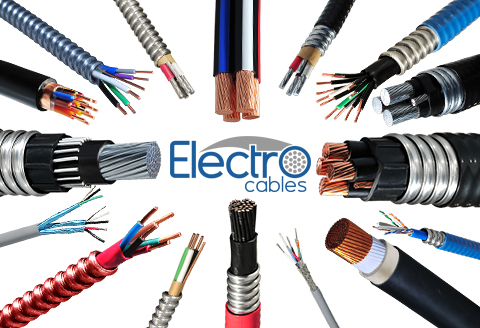
Next, look at the cable's shielding type. Different shield designs offer varying levels of protection against electromagnetic interference (EMI). A braiding might suffice for some applications, while others require foil shielding for maximum protection. Ensure you match the shielding with the specific needs of your equipment. It's a common oversight to overlook this detail, which can lead to noise issues.
Also, pay attention to conductor material. Copper is standard, but aluminum can be a lighter, cost-effective choice. Think about conductivity and flexibility. The weight and ease of installation could affect your project. Finally, always double-check the specifications before making a purchase. This is a small but critical step that can prevent future headaches. Skipping this might seem tempting, yet it can lead to significant problems later.
Types of Shielding Materials Used in Power Cables
Shielded power cables play an essential role in modern electrical installations. The choice of shielding materials directly impacts performance. Common types of shielding include foil, braid, and combined shields. Each has distinct characteristics and applications.
Foil shielding is lightweight and cost-effective. It's effective at blocking high-frequency interference but may be less durable in rugged environments. According to industry reports, foil shields can reduce electromagnetic interference (EMI) by up to 90%. However, they might not stand up well under mechanical stress.
On the other hand, braided shielding offers higher durability. It maintains performance under physical strain, making it ideal for industrial settings. However, it can be heavier and more expensive. A study indicated that braided shields provide superior grounding capabilities and noise reduction. Yet, their installation and handling require more care.
In some cases, a combination of foil and braid is used. This hybrid approach yields the benefits of both materials. While it can offer excellent protection, it might also complicate installation and increase costs. Users must weigh these factors carefully. What will work for one application may not suit another.
Common Applications for Shielded Power Cables
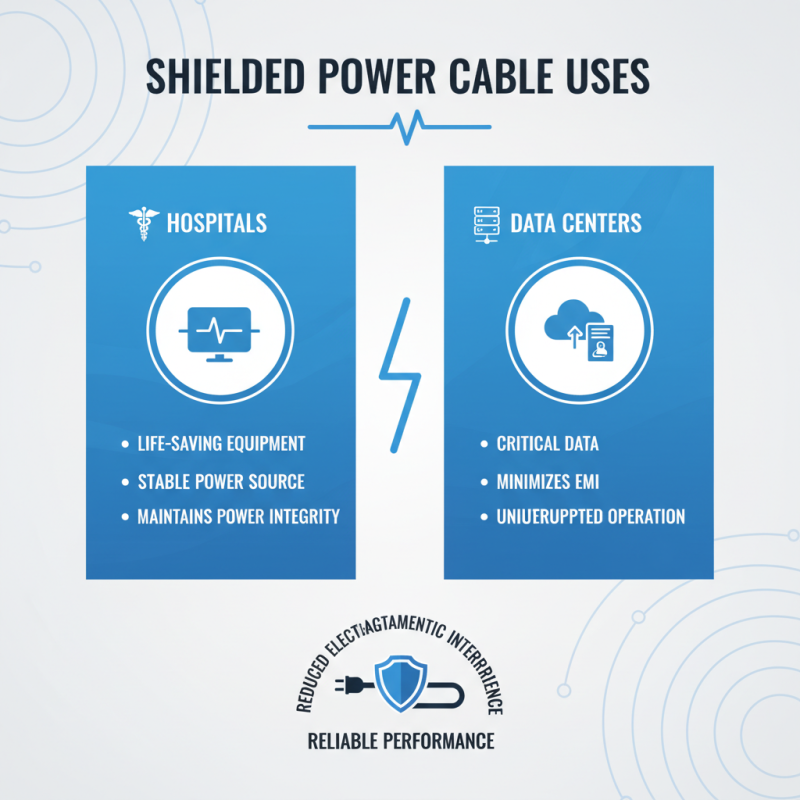
Shielded power cables are crucial in various applications. Their design minimizes electromagnetic interference (EMI). This is particularly important in facilities like hospitals and data centers. In hospitals, a stable power source is critical for life-saving equipment. Shielded cables help maintain power integrity, ensuring that sensitive devices operate without interruption.
In industrial settings, shielded cables protect machinery from external noise. They are commonly used in motors, sensors, and control systems. This protection prevents performance issues that can arise from interference. Additionally, in environments with high voltage equipment, these cables offer extra safety. They reduce the risk of failure due to unexpected surges.
While shielded power cables offer many benefits, choosing the right type can be challenging. Not all applications require the same level of protection. Some users may overestimate their needs. It’s essential to evaluate specific requirements carefully. Understanding the environment and application will lead to better cable choices. Inadequate consideration could result in costly repairs or downtime.
Maintenance Tips for Ensuring Longevity of Shielded Power Cables
When it comes to shielded power cables, maintenance is key. Regular inspections can prevent serious issues. Look for signs of wear and tear. Cracks or abrasions on the insulation might indicate trouble.
Here are some tips for effective maintenance. Clean the cables regularly. Dust and dirt can accumulate and lead to corrosion. Make it a habit to check connections. Loose or corroded connections can disrupt power flow. Don’t overlook environmental factors. High temperatures and moisture can cause significant damage.
Keep cables organized. Avoid tangling and physical stress. This simple practice prolongs their lifespan. It’s easy to forget maintenance until something goes wrong. Make a schedule and stick to it. Regular maintenance is far better than dealing with failures later. Remember, prevention is always easier than repair.