Electro Cables
Login

Why is Shore Power Cable Important for Reducing Emissions?

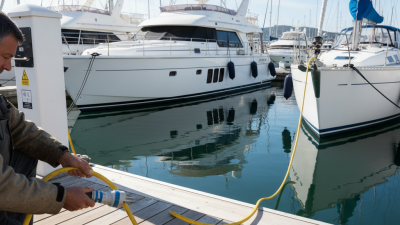
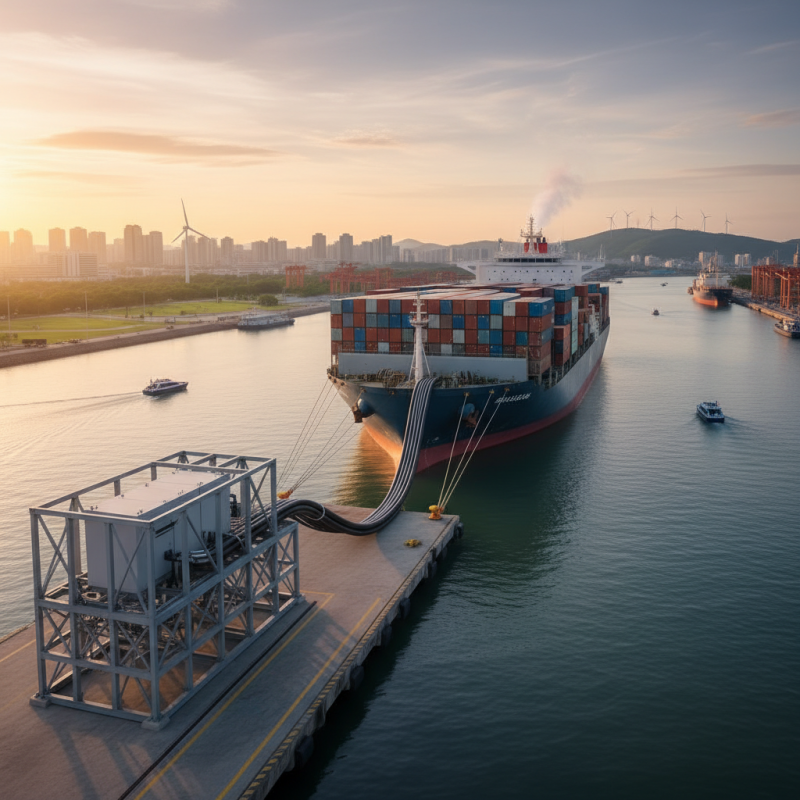
Shore power cables are crucial for reducing emissions in maritime operations. These cables connect ships to onshore power sources while in port. By doing so, they help minimize the reliance on diesel generators. This shift has a significant impact on air quality.

Ships produce large amounts of greenhouse gases when docked. Using shore power cables helps cut these emissions. Ports that implement this technology see cleaner air. It's a step toward a more sustainable future. However, challenges remain. The infrastructure for shore power is not yet widespread.

Some ports lack the necessary equipment. This situation calls for more investment and awareness. The benefits of shore power cables are clear, yet much work lies ahead. Embracing these solutions is essential for cleaner oceans and healthier communities.
Why is Shore Power Cable Important for Reducing Emissions?

The Definition and Functionality of Shore Power Cables

Shore power cables are vital for connecting ships to land-based power sources. This technology enables vessels to turn off their auxiliary engines while docked. As a result, emissions from ships can be significantly reduced. According to a report by the International Maritime Organization, this can lower marine vessel emissions by up to 80%.

The functionality of shore power cables is straightforward yet essential. These cables supply electricity from the port's grid directly to the vessel. This process minimizes fuel consumption and cuts down on greenhouse gases. The demand for shore power has grown, with over 600 port facilities around the world adopting this technology as of 2022. It is evident that more ports should consider implementing this system.

However, challenges remain. Not all ports are equipped with the necessary infrastructure. Some ships may also lack compatible equipment for shore power connections. This creates gaps in reducing emissions effectively. If the industry is serious about eco-friendly practices, it must address these shortcomings. Enhanced collaboration between ports and shipping companies is crucial for optimizing shore power use.
Environmental Impact of Shipping Emissions on Air Quality

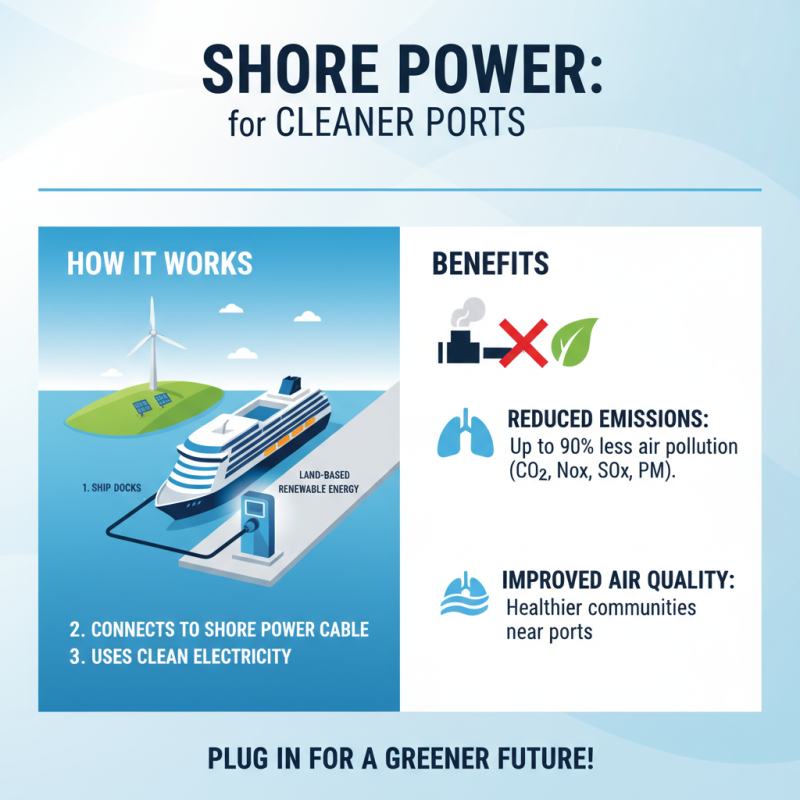
The environmental impact of shipping emissions is significant. Ships release nitrogen oxides (NOx), sulfur oxides (SOx), and particulate matter into the air. These pollutants contribute to poor air quality. They harm human health and contribute to climate change. Shore power cables can help address these issues by enabling ships to switch off their engines while docked.

Using shore power is an effective way to reduce emissions. It allows vessels to draw electricity from the grid instead of burning fuel. This transition can drastically cut harmful emissions. Cities near ports are often the most affected. Cleaner air can lead to better health outcomes for residents. Ship operators benefit too, as they can lower fuel costs.

Tips for adopting shore power include investing in infrastructure. Ports need to upgrade their facilities to accommodate this technology. Engaging local communities about the benefits is crucial. Regular assessments of air quality can measure progress. Awareness helps drive the push for cleaner operations. Everyone has a role in creating a healthier environment.

Impact of Shore Power on Emissions Reduction

This chart illustrates the significant reduction in CO2 emissions achieved by using shore power technology in shipping. The data shows a decrease in emissions from 15,000 kg before implementing shore power to 4,000 kg afterwards, highlighting its importance in improving air quality and reducing environmental impacts.

How Shore Power Cables Facilitate Cleaner Port Operations

Shore power cables play a crucial role in cleaner port operations. They allow ships to connect to the electrical grid while docked. This reduces reliance on marine diesel engines, which generate significant emissions. According to the International Maritime Organization (IMO), using shore power can cut greenhouse gas emissions by up to 60%.

Ports are implementing shore power systems at an increasing rate. The Global Maritime Forum reported that over 100 major ports worldwide are now equipped for shore power. This shift not only reduces air pollution but also improves local air quality. However, challenges remain, such as the cost of infrastructure upgrades. Some ports struggle with funding or technical capability.

More research is needed to optimize shore power usage. Data shows that the total investment in shore power could exceed $3 billion globally by 2030. This highlights a critical gap in investment versus environmental impact. Ports must work together to create standard protocols. Enhanced collaboration can lead to effective solutions, reducing emissions further. Cleaner operations would benefit everyone—ships, ports, and communities alike.

Why is Shore Power Cable Important for Reducing Emissions? - How Shore Power Cables Facilitate Cleaner Port Operations

Dimension Value
Reduction in Diesel Emissions 75%
Reduction in CO2 Emissions 50,000 tons/year
Number of Ports Utilizing Shore Power 50+
Average Cost Savings for Shipping Companies $1 Million/year
Increased Port Efficiency 30%
Type of Energy Utilized Renewable Energy Sources

Technological Advancements in Shore Power Solutions

Why is Shore Power Cable Important for Reducing Emissions?

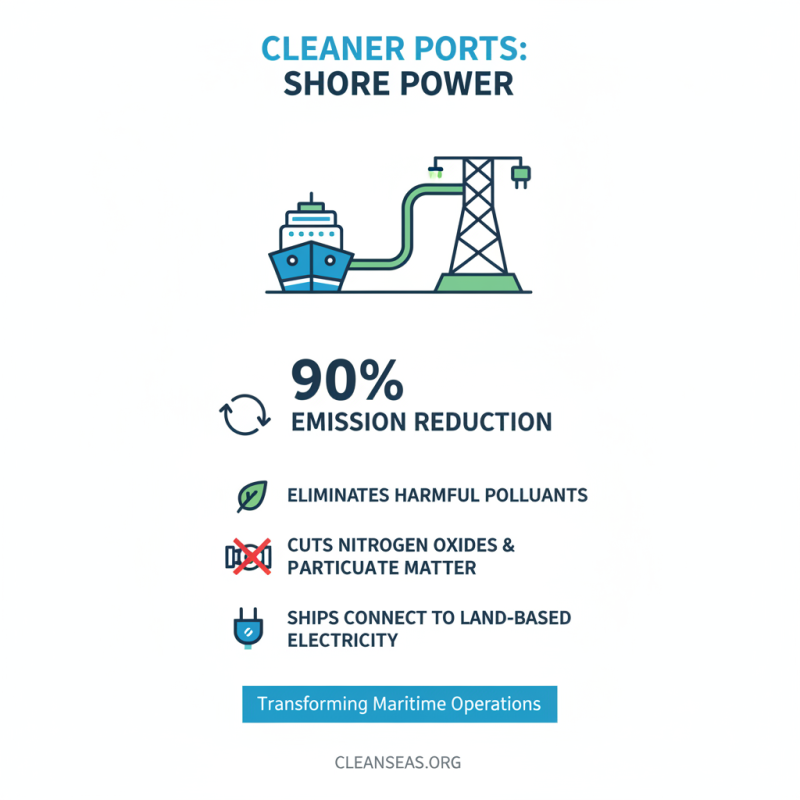
Shore power technology is transforming the way maritime operations reduce emissions. This approach allows ships to connect to land-based electrical power while docked. Reports suggest that using shore power can cut emissions by up to 90%. This includes reductions in harmful pollutants like nitrogen oxides and particulate matter.

Advancements in shore power solutions are impressive. Newer systems offer higher efficiency rates and compatibility with various vessel types. Some ports have updated their infrastructure to support vessels with varying voltage requirements. Data from the International Maritime Organization indicates that implementing these technologies could lead to a significant decrease in global shipping emissions.

Tips: When considering shore power, prioritize ports that have made recent technology upgrades. Evaluate the power supply's capability to support multiple vessels simultaneously. Keep an eye on emerging technologies, as they can offer solutions for more efficient operations. Embrace these advancements while also reflecting on the challenges of initial costs and infrastructure changes that may be necessary.

Regulatory Incentives for Using Shore Power in Maritime Industry

Why is Shore Power Cable Important for Reducing Emissions?

Shore power cables connect ships to land-based power sources. This technology helps reduce emissions from ships in port. As more vessels plug into shore power, air quality improves nearby.

Regulatory incentives play a key role in promoting shore power. Governments are implementing policies to encourage its use. For instance, some ports offer reduced fees for vessels using shore power. This makes it financially attractive for shipping companies. Yet, the adoption is uneven. Some ports lack infrastructure to support this transition.

Education is crucial. Many maritime workers need training on shore power systems. Awareness about environmental benefits is still growing. There are technical challenges as well. Not all vessels are equipped to use shore power effectively. These hurdles require reflection and commitment from the industry.

Lighting Power & Control-Signal Cable

This content is restricted to site members. If you are an existing user, please log in. New users may register … LEARN MORE “Lighting Power & Control-Signal Cable”