Why Invest in Heavy Equipment for Your Business Success?
Investing in Heavy Equipment can be a game changer for your business. Many industries rely on such machinery for efficiency and productivity. Heavy equipment encompasses a wide range of tools, from excavators to bulldozers, each playing a vital role in various projects. These machines can handle tough tasks that require strength and precision, enabling businesses to complete jobs quicker than ever.
The decision to invest in heavy equipment comes with significant implications. Initially, the financial commitment may seem daunting. However, the long-term benefits often outweigh these concerns. Reliable equipment can reduce labor costs and prevent delays. With heavy equipment, companies can manage larger projects effectively, paving the way for growth.
In today's competitive landscape, having the right tools gives businesses an edge. Heavy equipment not only enhances operational efficiency but also improves safety. Properly maintained machines offer reliability, minimizing the risk of accidents on site. Nonetheless, companies must reflect on their specific needs before making a purchase. The wrong choice can lead to expenses that hinder rather than help progress.
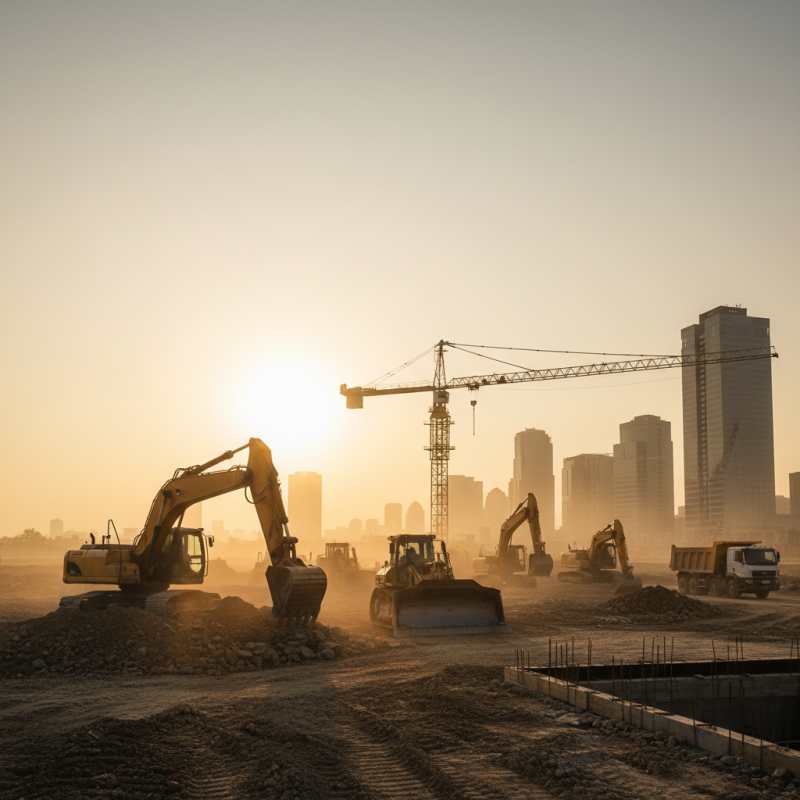
Understanding the Role of Heavy Equipment in Business Operations
Heavy equipment plays a crucial role in various business operations. It enhances efficiency, especially in construction, manufacturing, and logistics. According to a report from the Association of Equipment Manufacturers, the heavy equipment market is projected to reach $200 billion by 2025. This growth indicates that businesses increasingly rely on specialized machinery to optimize their processes.
Investing in heavy equipment can significantly reduce operational costs. For instance, companies can complete projects faster and with less labor. When a company uses reliable machinery, the chances of delays decrease. However, not all equipment yields the same results. Sometimes, firms invest in excessive machinery that they do not fully utilize. This situation emphasizes the importance of tailored equipment selections.
Additionally, safety is a key factor. Heavy machinery must adhere to strict regulations. A study from the Occupational Safety and Health Administration shows that proper equipment maintenance reduces accidents by 30%. It highlights the need for careful investment and management of heavy equipment. Many businesses overlook training for operators, leading to costly mistakes. By addressing these areas, businesses can enhance their operational efficiency and safety.
Key Benefits of Investing in Heavy Equipment for Your Business
Investing in heavy equipment can be transformative for your business. It enhances productivity and efficiency. According to the Association of Equipment Manufacturers (AEM), companies that utilize advanced machinery report up to 25% increase in output. This boost can lead to higher profits and stronger market positions.
Heavy equipment also improves safety on job sites. When businesses use modern machinery, the risk of accidents decreases. A report from the Occupational Safety and Health Administration (OSHA) shows that updated equipment can reduce workplace injuries by 40%. Investing in safer tools not only protects your employees but also saves you from costly legal issues.
Furthermore, heavy equipment can give your business a competitive edge. With reliable machines, projects are completed faster and more accurately. A study from the National Institute of Standards and Technology found that implementing advanced technologies can minimize project delays by 30%. This advantage can enhance client satisfaction and lead to repeat business. However, it's essential to keep analyzing equipment performance. Regular assessments ensure that the machinery meets current industry standards and your evolving needs.
Why Invest in Heavy Equipment for Your Business Success? - Key Benefits of Investing in Heavy Equipment for Your Business
| Benefit | Description | Estimated ROI (%) | Maintenance Cost (Annual) |
| Increased Efficiency | Heavy equipment can significantly speed up work processes, reducing time spent on tasks. | 20% | $5,000 |
| Enhanced Safety | Modern heavy equipment comes with safety features that help protect workers and reduce accidents. | 15% | $3,500 |
| Versatility | Heavy equipment can be used for a variety of tasks, increasing flexibility in operations. | 25% | $4,000 |
| Long-term Savings | Investing in heavy equipment can lead to lower labor costs and fewer outsourcing expenses over time. | 30% | $6,000 |
| Improved Quality | Heavy equipment can enhance the quality of work done, leading to higher customer satisfaction. | 18% | $2,500 |
Factors to Consider When Choosing Heavy Equipment for Your Industry
When choosing heavy equipment, several factors must be considered. Understanding the specific needs of your industry is crucial. For construction, a 2022 report by the Associated General Contractors highlighted that 60% of construction firms emphasized the importance of equipment reliability and efficiency. This highlights the need for machinery that can handle heavy workloads and perform consistently.
Another key aspect is the total cost of ownership. A study from the Equipment Leasing and Finance Association found that many businesses overlook maintenance costs. These costs can add up significantly over time. Investing in high-quality, durable equipment may lead to long-term savings, despite a higher initial price.
Operator training is also vital. The National Safety Council reported that proper training can reduce workplace accidents by 30%. Investing in training not only ensures safety but also maximizes the use of expensive equipment. Companies must balance initial costs against the benefits of operational efficiency and safety training, reflecting on their unique challenges before making decisions.
Financing Options for Acquiring Heavy Equipment
Investing in heavy equipment can be a game changer for many businesses. However, financing such equipment often poses challenges. Surprisingly, a report from the Association of Equipment Manufacturers shows that about 70% of companies finance their machinery. This approach not only preserves cash flow but also allows companies to stay competitive.
Leasing and loans are common options for acquiring heavy equipment. In fact, a survey indicated that over 80% of businesses prefer equipment leases for their flexibility. Leasing often requires lower upfront costs and can facilitate access to newer models. However, it's important to note that not all equipment appreciates; some may lose 20% of their value within the first year. Thus, understanding the equipment lifecycle is critical.
Consideration of financing options can require deeper reflection on cost-effectiveness. Tracking expenses related to maintenance and downtime is vital. Choices depend on the specific needs and capacities of a business. Each decision affects overall profitability, yet it is essential to evaluate each scenario critically, as not every investment will yield the expected returns.
Maintenance and Operational Efficiency: Maximizing Your Investment
Investing in heavy equipment can significantly enhance maintenance and operational efficiency. Proper maintenance schedules are crucial. Neglecting routine checks often leads to unexpected breakdowns. These breakdowns can disrupt operations and increase costs. Regular maintenance ensures the machinery operates at peak performance. Simple tasks, like daily inspections, can reveal issues before they escalate.
Operational efficiency improves when equipment runs smoothly. When machines are well-maintained, they are more reliable. This reliability translates into consistent productivity. However, operators must also be trained adequately. Inexperienced users can inadvertently cause damage, thus wasting resources. Companies should invest in training programs. Developing staff skills creates a more competent workforce.
While investing in heavy equipment, consider the long-term costs. Maintenance can become expensive if not planned properly. Creating a budget for these costs is essential. Ignoring maintenance expenses can lead to financial strain. It’s important to evaluate the overall return on investment continuously. Small adjustments in maintenance routines can lead to significant savings over time. Balancing investment with efficient practices is the key to sustained success.