What is a Marine Battery Cable and How Does It Work?
When it comes to boating and marine applications, having a reliable power source is crucial. A marine battery cable plays a significant role in ensuring that your boat's electrical system operates smoothly. These cables are designed to handle the harsh marine environment, with features that make them unique compared to standard battery cables.
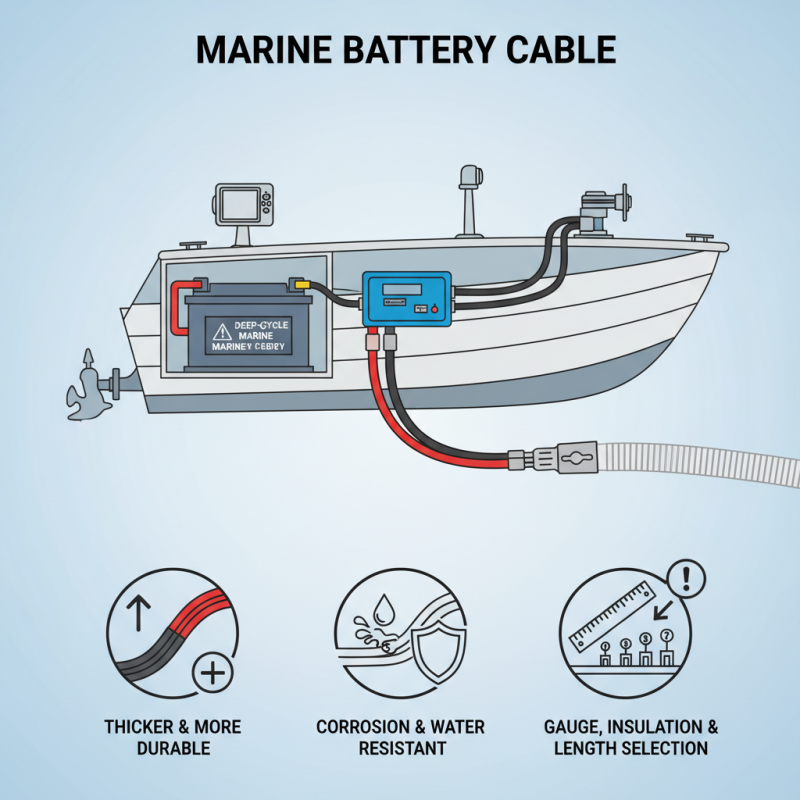
Marine battery cables are typically thicker and more durable. They resist corrosion and wear, which is essential for longevity. A common issue with regular cables is their inability to handle damp conditions. This can lead to failures or safety hazards. In contrast, marine battery cables are built to withstand these challenges.
However, it’s important to choose the right marine battery cable for your needs. Not all cables are created equal. The improper selection can lead to power loss or even damage. Users need to be aware of factors like gauge size, insulation type, and length. Understanding these details can prevent frustrating outcomes on the water.
What is a Marine Battery Cable?
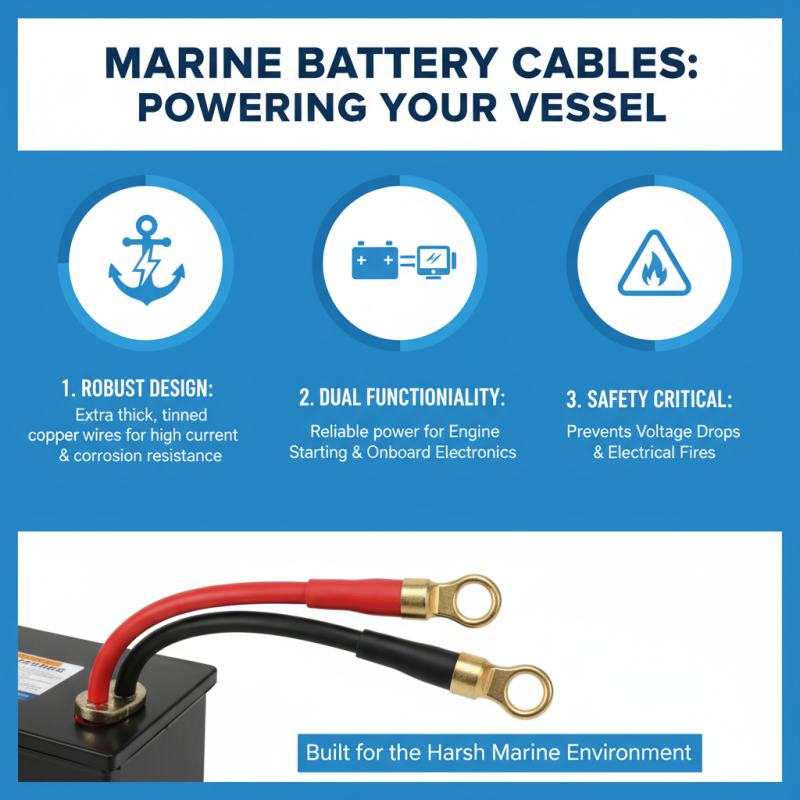
Marine battery cables are essential components in boat electrical systems. These cables connect the battery to various electrical devices on the vessel. They are designed to withstand harsh marine environments. Their robust construction helps prevent corrosion and wear from moisture.
When selecting a marine battery cable, focus on the gauge. The gauge indicates the diameter of the cable. Thicker cables can handle greater current loads. Inadequate gauge may lead to overheating and failure. Proper insulation is equally important. It protects against accidental short circuits and environmental factors.
Connections should be secure and well-maintained. Loose connections can cause voltage drops and inefficient power transfer. Regular checks can prevent unexpected issues. It's essential to ensure that cables are routed correctly, avoiding sharp edges. Minor mistakes can lead to costly repairs. This shows how crucial attention to detail is in marine applications.
What is a Marine Battery Cable and How Does It Work?
| Dimension |
Description |
Importance |
| Material |
Typically made from tinned copper or pure copper |
Ensures good conductivity and corrosion resistance |
| Gauge |
Available in various gauges (AWG) |
Determines the amperage capacity and resistance |
| Length |
Varies according to installation needs |
Affected voltage drop and overall efficiency |
| Insulation |
Usually made from durable, marine-grade materials |
Protects against saltwater, oil, and abrasion |
| Connector Type |
Includes various battery terminal connectors |
Ensures secure and reliable connections |
Key Components of Marine Battery Cables
Marine battery cables are crucial for any boat. They connect the battery to various electrical systems, ensuring everything runs smoothly. Understanding their key components can help you maintain and repair them effectively.
The core of a marine battery cable is its conductor. Usually made of copper, it ensures high conductivity. This allows for efficient power transfer, reducing energy loss. The insulation is equally important. Typically made from a durable, water-resistant material, it protects the cable from harsh marine environments. The connectors are also vital. They link the cable securely to terminals. Poor connections can lead to voltage drops and system failures.
We must acknowledge that even the best marine cables can wear out. Corrosion is a common issue. Regular inspections are necessary to ensure everything is in good shape. If you notice fraying or discoloration, consider replacing the cable. Simple maintenance goes a long way in extending the life of your marine electrical systems.
Marine Battery Cable Specifications
This chart illustrates the key specifications of marine battery cables, including the cable thickness in AWG, voltage rating, ampacity, and insulation type. These specifications are crucial for ensuring safe and effective use in marine environments.
How Marine Battery Cables Are Constructed
Marine battery cables are essential components in boating systems. They connect batteries to engines and other equipment. A well-constructed cable ensures reliability and safety. Poor quality cables might lead to power loss or failure.
Marine battery cables are typically made of copper. Copper offers excellent conductivity, ensuring efficient power transfer. The cables are usually covered with durable insulation. This insulation protects against moisture and corrosion. In marine environments, this is crucial. Additionally, these cables have thick gauges to handle high currents.
To construct a marine battery cable, the wire is often multi-stranded. This design provides flexibility, making installation easier. Some cables even undergo a special coating process. This adds further protection against harsh conditions. However, not all cables are built the same. Some may lack proper shielding or durability for marine use. Knowing what to look for can prevent future issues.
Common Uses of Marine Battery Cables in Boats
Marine battery cables play a crucial role in powering various equipment on boats. They are designed to handle the harsh marine environment. These cables are typically thicker to carry higher currents safely. They provide reliable connections for both starting engines and powering electronics. Without proper cables, serious issues can arise, such as voltage drops or even electrical fires.
Common uses include connecting batteries to the starter motor and linking batteries to onboard electronics like radios and lights. Marine battery cables often power navigational equipment and bilge pumps. Their ability to withstand corrosion is vital for long-term use. Yet, not all cables are created equal; choosing the right gauge is essential. Using an inadequate cable can lead to overheating and failure.
Boat owners sometimes overlook cable maintenance. Corrosion can build up and affect conductivity. Regular inspections are key to avoiding unexpected failures. Many might find the costs of replacement cables high, but investing in quality is essential. After all, safety should always come first on the water.
Maintenance Tips for Marine Battery Cables
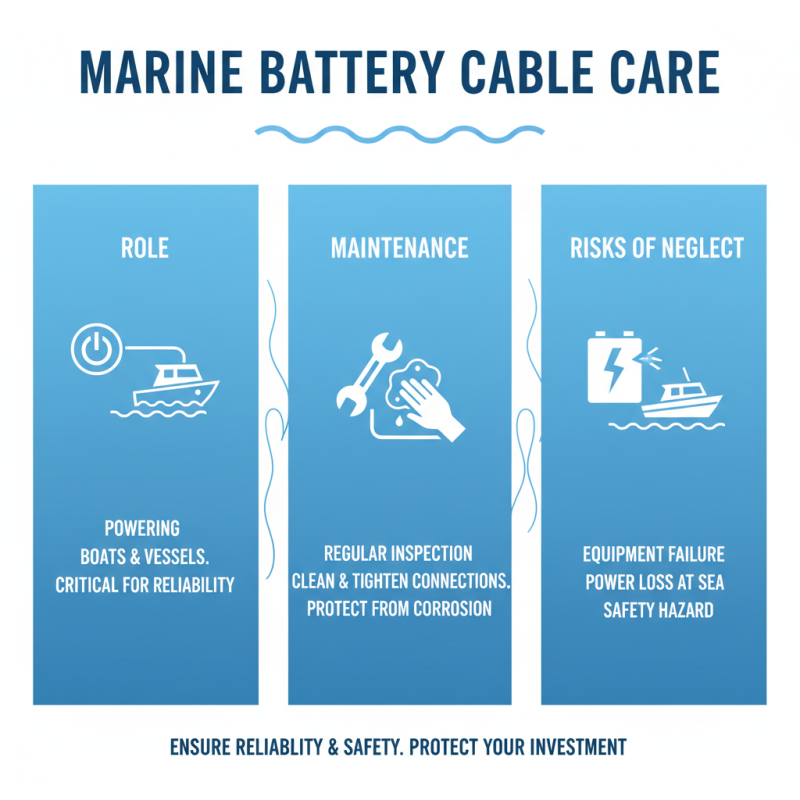
Marine battery cables play a critical role in powering boats and other marine vessels. Proper maintenance of these cables is essential to ensure reliability and safety. According to industry reports, poor cable maintenance can lead to premature equipment failure or power loss while at sea.
To maintain your marine battery cables, regularly inspect them for signs of wear. Look for frayed wires or corrosion on terminals. Corrosion can increase resistance, making it harder for your battery to function properly. Cleaning terminals with a wire brush can remove corrosion and improve conductivity.
Another important tip is to ensure cables are tightly secured. Loose connections can cause arcing, which may damage your battery and other components. Over time, vibrations from the vessel can loosen connections. Check them periodically, especially before long trips.
Severe conditions can affect cable durability. Saltwater exposure leads to faster corrosion. Therefore, using protective coatings is advisable. Consider shielding cables from direct contact with moisture. Finally, document your maintenance schedule. This simple step can help catch issues before they become significant problems. Taking small actions now can prevent costly repairs later on.