What is Nichrome Flat Wire and Its Applications?
Nichrome Flat Wire is a specialized alloy wire often used in heating applications. Composed mainly of nickel and chromium, it exhibits remarkable resistance to oxidation and high temperatures. This unique property enables Nichrome Flat Wire to function effectively in demanding environments.
Various industries rely on Nichrome Flat Wire for its excellent performance. From kitchen appliances to industrial heaters, it plays a critical role. The wire's ability to withstand intense heating is invaluable for manufacturing processes. However, not all applications may benefit equally from its use. Some projects might encounter limitations in efficiency or cost-effectiveness.
Understanding Nichrome Flat Wire is essential for industries that prioritize safety and durability. While its capabilities are impressive, potential challenges should not be overlooked. Users must carefully assess their needs before implementation. This ensures that Nichrome Flat Wire will provide the right solution for their heating requirements.
What is Nichrome Flat Wire?
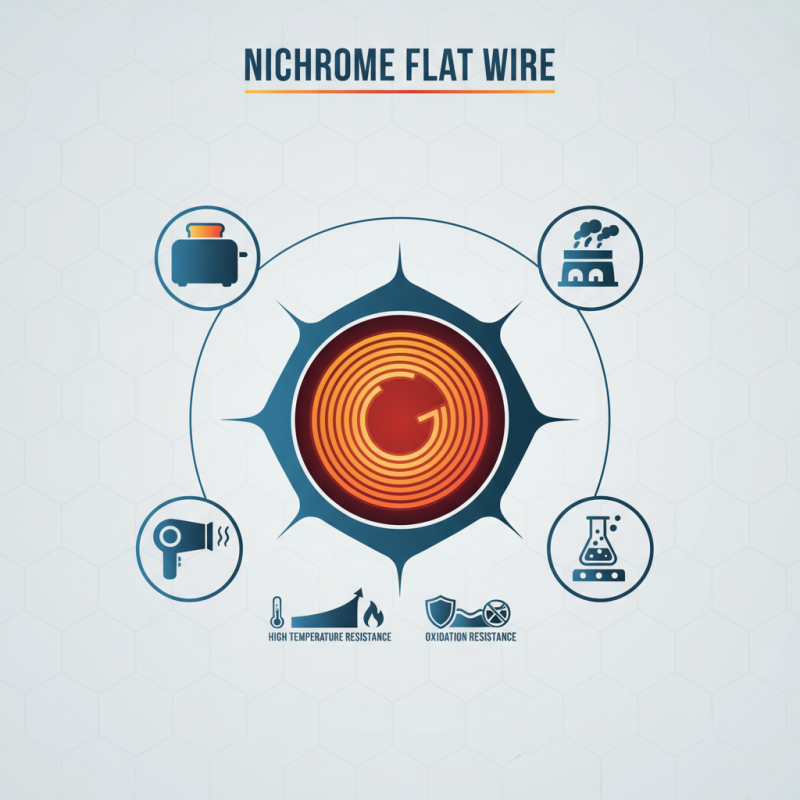
Nichrome flat wire is an alloy composed mainly of nickel and chromium. This unique combination gives it high resistance to oxidation and excellent thermal stability. According to a recent industry report, nichrome can handle temperatures well above 1,000 degrees Fahrenheit. This property makes it ideal for various heating applications. For example, nichrome flat wire is commonly used in electric heaters and toasters.
The versatility of nichrome flat wire extends to industrial applications as well. In the manufacturing sector, it serves as a crucial component in resistance welding and thermocouples. Data from the Global Nichrome Wire Market Analysis suggests a steady demand growth of about 5% annually. Industries favor nichrome due to its durability and reliability. However, there are challenges. The cost of raw materials can fluctuate, affecting production and pricing. It is essential for manufacturers to adapt to these changes.
Despite its benefits, nichrome flat wire is not without limitations. While it excels in high temperatures, its performance can be affected by excessive exposure to certain chemicals. Continuous research is crucial to overcoming these constraints and enhancing its applications. The future of nichrome wire remains promising, but industry players must remain vigilant and innovative.
Composition and Characteristics of Nichrome Flat Wire
Nichrome flat wire is an alloy primarily composed of nickel and chromium. This composition gives it excellent resistance to oxidation and high temperatures. Typically, the nickel content ranges from 60% to 80%, while chromium content is about 20% to 40%. The characteristic of nichrome wire allows it to endure temperatures as high as 1,200 degrees Fahrenheit without degrading. This makes it a favorite in high-heat applications, according to industry research.
The unique attributes of nichrome flat wire enable a wide range of applications. It is common in heating elements for electric ovens, toasters, and hair dryers. Many scientific instruments rely on its stability, especially in thermocouples. Research indicates that nichrome wires are often chosen for their durability and efficiency. These qualities make them preferable in heating applications, but one must consider the balance between performance and cost.
Despite its advantages, nichrome wire is not without limitations. The ductility may not always meet specific engineering requirements. More critically, the availability and sourcing of high-quality nichrome flat wire can sometimes be erratic. In high-volume production, fluctuations in supply can impact manufacturing timelines. These factors necessitate careful planning in any project involving nichrome flat wire, requiring engineers to weigh its benefits against potential sourcing challenges.
Common Applications of Nichrome Flat Wire in Industry
Nichrome flat wire, an alloy primarily composed of nickel and chromium, finds diverse applications across various industries. Its excellent resistance to oxidation and high temperatures makes it invaluable in heating elements. For example, nichrome flat wire is used in toasters and electric heaters. The ability to maintain structural integrity at elevated temperatures ensures consistent performance in these appliances.
In the industrial sector, nichrome flat wire serves multiple purposes. Manufacturers utilize it in resistive heating elements for applications like soldering and metal processing. Its unique properties allow for precise temperature control during these processes. Additionally, nichrome flat wire is commonly found in thermocouples, which measure temperature in furnaces and kilns. These sensors rely on the wire's stability and reliability to provide accurate readings in harsh environments. Nevertheless, users must periodically assess the wire for signs of wear or corrosion. This monitoring ensures optimal performance over time, as neglecting maintenance could lead to failures.
Advantages of Using Nichrome Flat Wire Compared to Other Alloys
Nichrome flat wire has gained popularity due to its unique characteristics. One significant advantage is its high resistance to heat. This makes it perfect for applications that require stability under extreme temperatures. Users often find that its longevity reduces maintenance needs, which is appealing in various industries, such as electronics and heating elements.
Another strength of nichrome flat wire is its excellent corrosion resistance. This property ensures durability, even in harsh environments. Many industries benefit from its reliability, especially those involving chemical processing. Engineers appreciate that nichrome's thermal properties provide efficient heating with minimal energy loss.
However, there are considerations. Nichrome can be pricier than some alternatives. Not all applications require its advanced properties, which may lead to over-specification. It's crucial for users to assess their specific needs before choosing. While nichrome offers remarkable solutions, understanding when to use it is paramount for optimal outcomes.
What is Nichrome Flat Wire and Its Applications? - Advantages of Using Nichrome Flat Wire Compared to Other Alloys
| Properties | Nichrome Flat Wire | Stainless Steel | Copper |
| Electrical Resistance | High resistance, good for heating elements | Moderate resistance | Low resistance, highly conductive |
| Temperature Tolerance | Up to 1300°C | Up to 800°C | Up to 400°C |
| Corrosion Resistance | Excellent | Good | Poor |
| Application | Heating elements, thermocouples | Food processing, surgical instruments | Electrical wires, plumbing |
| Cost | Moderate | Higher cost | Low cost |
Maintenance and Safety Considerations for Nichrome Flat Wire Usage
When working with nichrome flat wire, maintenance and safety must be prioritized. Proper handling of this material is crucial to avoid mishaps. The wire's resistance properties can lead to overheating if not managed correctly. Regular inspections of connections and setups should be performed to ensure integrity.
Users should wear appropriate protective gear, such as gloves and safety goggles. Nichrome can produce harmful fumes when heated excessively. Ensuring proper ventilation is essential in any workspace. It's important to keep the work area clear of flammable materials.
Even with stringent safety measures, accidents can happen. Inadequate precautions can lead to burns or electrical shock. It's vital to stay informed on best practices for nichrome usage. Continuous training on handling this wire can improve safety standards. Learning from past incidents can help refine your approach. Prioritize safety as an ongoing journey, not a destination.
Applications of Nichrome Flat Wire and Usage Considerations
This bar chart illustrates the various applications of Nichrome flat wire and highlights the importance of maintenance and safety considerations. The data represents the estimated percentage of usage across different sectors.