What is a Pressure Reducing Regulator and How Does It Work?
Pressure Reducing Regulators play a vital role in fluid control systems. These devices ensure consistent pressure levels by regulating the flow of gas or liquid. Without them, systems can suffer from fluctuations that might lead to damage or inefficiency.
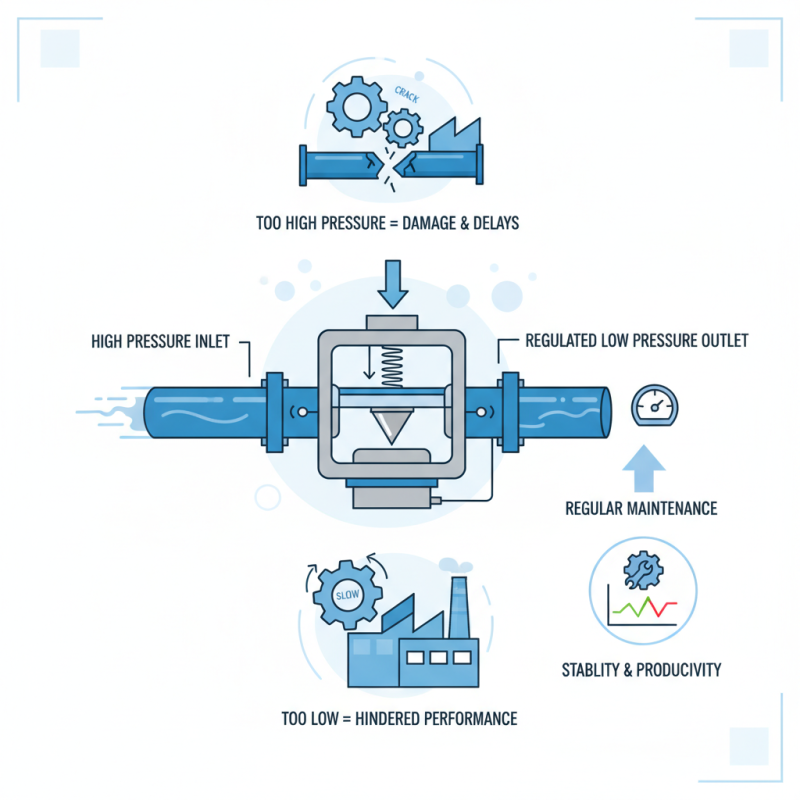
Imagine a busy factory with multiple machines. If the pressure is too high, equipment might fail, causing delays and costly repairs. Conversely, low pressure can hinder performance. Pressure Reducing Regulators bring stability to such environments, creating predictable conditions that enhance productivity.
Not every regulator is perfect. Some may experience wear over time, affecting performance. Regular maintenance is essential to avoid unexpected failures. Understanding how these devices function can help operators identify issues early, ensuring smooth operations. By focusing on reliability, businesses can maximize the benefits of Pressure Reducing Regulators.
What is a Pressure Reducing Regulator: Definition and Purpose
A pressure reducing regulator, or PRR, is a crucial device in many systems. It lowers the pressure of a gas or liquid, making it safer to use. Imagine a high-pressure gas line flowing into a home. Without regulation, this could be dangerous.
The primary purpose of a PRR is to maintain a consistent outlet pressure. It works by using a spring-loaded mechanism. The incoming pressure pushes against a diaphragm. When the pressure exceeds a set limit, the diaphragm moves, reducing the flow. This mechanism is vital for applications like gas delivery in homes and industrial settings.
However, relying solely on a pressure reducing regulator can lead to issues. For instance, if the regulator is improperly calibrated, it may fail to provide the right pressure. Regular maintenance and checks are necessary to avoid such problems. Understanding its function is essential. An overlooked regulator can lead to serious consequences.
Key Components of a Pressure Reducing Regulator Explained
A pressure reducing regulator is essential in managing gas and fluid systems. Understanding its key components helps in grasping its functionality. There are several primary components: the inlet and outlet ports, the diaphragm, spring, and adjustment mechanism. These elements work together to ensure consistent pressure levels.
The diaphragm is the heart of the regulator. It responds to pressure changes. When outlet pressure rises, the diaphragm moves against the spring, allowing more flow to return to a stable balance. The adjustment mechanism enables users to set the desired pressure accurately. This ensures safety and efficiency in industrial settings.
Tips: Regular inspection of the diaphragm is crucial. A worn diaphragm can cause inconsistent pressure. Be mindful of the spring tension as well; it should not be over-compressed. Always refer to pressure charts for specific systems. Keep track of initial settings to ease future adjustments.
The right regulator can influence overall system performance. Recent reports indicate that incorrect pressure settings can lead to energy losses of up to 20%. This shows the impact of precise regulation. Achieving optimal performance requires routine maintenance and a solid understanding of each component's role.
How Pressure Reducing Regulators Function: The Mechanics Behind It
Pressure reducing regulators play a crucial role in managing fluid flow. They ensure that systems operate at safe and efficient pressure levels. When high-pressure gas flows in, the regulator automatically reduces this pressure to a safe level for various applications. It maintains consistent pressure, even when flow demands fluctuate. This functionality is essential for processes in sectors such as manufacturing and healthcare.
The mechanics behind these regulators involve several components. A diaphragm senses the pressure levels and adjusts a valve accordingly. When the pressure reaches a set point, the valve closes partially to control the flow. According to industry reports, a well-functioning regulator can improve system efficiency by up to 20%. However, not all regulators are created equal. Issues like wear and tear can lead to malfunctioning, resulting in inconsistent pressure levels. Such failures can cause operational risks that impact productivity.
While the technology is relatively straightforward, challenges remain. Proper maintenance is critical to ensure reliable performance. Many operators overlook this necessity, which can lead to costly downtime. Regular calibration and inspection are often neglected. Industry experts recommend thorough checks, particularly in high-use environments. Striking a balance between cost and effective regulation can seem daunting. Yet, understanding these components and their functions is key to optimizing efficiency.
Pressure Reducing Regulators: Characteristics and Performance
This chart illustrates the performance of pressure reducing regulators at various input pressure levels. The data represents the outlet pressure maintained by the regulator, which is crucial for ensuring optimal operation in hydraulic systems.
Applications of Pressure Reducing Regulators in Various Industries
Pressure reducing regulators find extensive applications in various industries. They are essential in gas and liquid systems. These regulators maintain a constant pressure despite fluctuating inlet conditions. In the oil and gas sector, they are crucial for safe equipment operation. Their role prevents over-pressurization, ensuring smooth functionality.
In manufacturing, pressure regulators assist in processes like pneumatic control. These devices contribute to precise operation, enhancing efficiency. Regulated pressure improves safety in handling potentially hazardous materials. Food and beverage industries also rely on them. They ensure consistent pressure for processes like carbonation or bottling. In each case, pressure consistency is vital for product quality.
However, challenges arise in regulator maintenance. Regular checks are necessary to prevent failures. Inadequate maintenance can lead to pressure spikes. This oversight may affect production and safety. Although regulators excel in many applications, they require careful monitoring. Operators must ensure they function effectively. A small error in setup can result in larger issues along the line.
What is a Pressure Reducing Regulator and How Does It Work? - Applications of Pressure Reducing Regulators in Various Industries
| Industry | Application | Pressure Range (psi) | Typical Uses |
| Oil and Gas | Natural Gas Regulation | 0-1500 | Pipeline control, safety measures |
| Manufacturing | Pneumatic Systems | 0-100 | Actuators, tools, conveyors |
| Water Treatment | Water Supply Regulation | 0-70 | Distribution systems, filtration |
| Food and Beverage | Gas and Liquid Pressure Control | 0-50 | Bottling, carbonating |
| Medical Devices | Oxygen and Gas Regulation | 0-30 | Respiratory equipment, anesthesia |
Industry Standards and Specifications for Pressure Reducing Regulators
Pressure reducing regulators (PRRs) play a crucial role in various industries. They ensure that pressure levels remain stable, preventing equipment damage. However, understanding the industry standards and specifications for these regulators is essential. Many sectors rely on specific criteria to maintain safety and efficiency.
Regulators must meet recognized standards like ANSI or API. These organizations provide guidelines on performance and safety. For example, materials must withstand certain temperatures and pressures. It is vital for manufacturers to reference these specifications closely. Failure to do so could lead to product failures or unsafe conditions.
Often, the specifications do not account for all real-world situations. Manufacturers may overlook unique operating environments. Testing also varies across different industries. What works in one field may not in another. Thus, a constant evaluation of standards and practices is necessary. Ensuring compliance can be complex, but it is a critical step toward reliability.