What is a Smart Plug Outlet and How Does it Work?
Smart Plug Outlets are revolutionizing how we interact with our devices. These compact devices allow users to control appliances remotely through smartphones. According to a report by Statista, the smart home market is expected to grow significantly, reaching $135 billion by 2025. Smart plug outlets play a crucial role in this growth. They offer convenience, energy management, and enhanced safety features.
Utilizing Wi-Fi or Bluetooth, a Smart Plug Outlet can be programmed and monitored using dedicated applications. Users can set schedules or control devices with voice commands via platforms like Amazon Alexa. In 2021, approximately 20% of U.S. households reported owning at least one smart plug. This statistic highlights the increasing acceptance of smart technology.
However, the use of Smart Plug Outlets is not without challenges. Users should be mindful of security risks, such as unauthorized access. This concern underscores the need for secure network practices. As technology evolves, the balance between convenience and safety must be continually evaluated. Moreover, while these devices provide benefits, it's essential to assess their impact on energy consumption patterns over time.
Definition and Purpose of Smart Plug Outlets
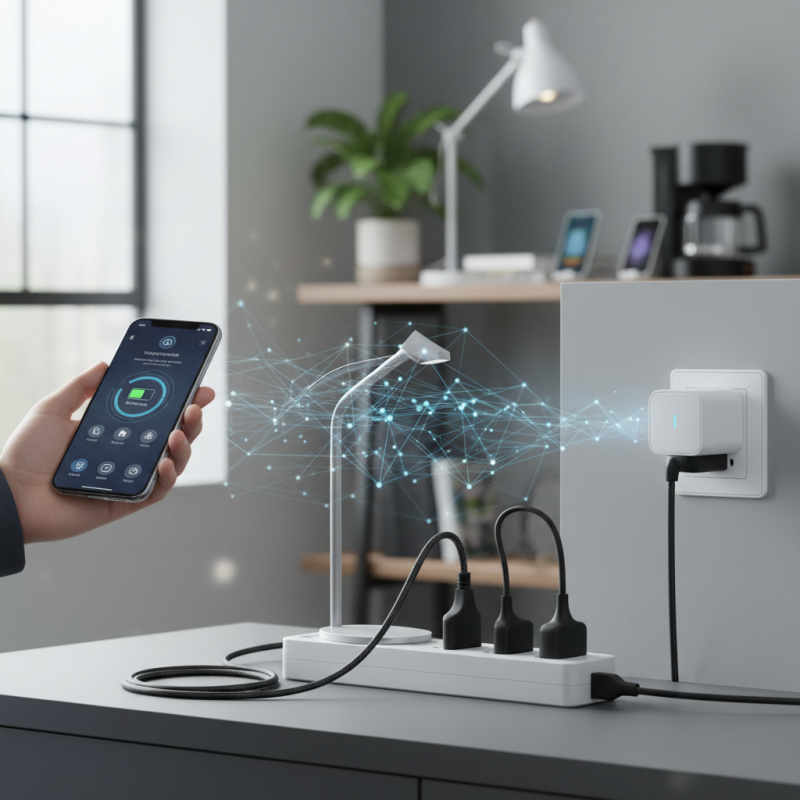
Smart plug outlets are innovative devices that make everyday life easier. They allow users to control power to various appliances with a smartphone or voice assistant. The primary purpose of smart plugs is to provide convenience and energy efficiency. For example, you can schedule your coffee maker to start brewing before you wake up.
Using a smart plug outlet enhances your home automation experience. Imagine turning off lights from your bed or checking if you left your iron on while at work. Smart plugs can monitor energy usage, giving insights into how much power your devices consume. This data can lead to smarter energy choices and reduce electricity bills over time.
Despite their benefits, smart plugs may have limitations. Compatibility issues can arise with older appliances. Some users may find the setup process confusing. Additionally, relying too heavily on technology can lead to security concerns. It's essential to educate yourself about these risks while considering a smart plug for your home.
Key Features and Functions of Smart Plug Outlets
Smart plug outlets are becoming essential for modern households. These devices allow you to control any plugged-in appliance remotely through your smartphone. With Wi-Fi connectivity, smart plugs can be integrated into your home automation system. You can manage everything from lamps to coffee makers with ease.
Key features include scheduling and energy monitoring. You can set specific times for devices to turn on or off. This not only saves energy but also adds convenience to your daily routines. Energy monitoring helps you track power consumption. It's a fantastic way to identify energy-hungry appliances.
Tips: Keep your devices organized. Label each smart plug in your app for easy management. This saves time and reduces frustration. Also, consider the range of your Wi-Fi. Weak signals can disrupt the connection, leading to unreliable performance. Regularly check the firmware updates to ensure optimal functionality.
While smart plugs are innovative, they also have limitations. Not all appliances are compatible. Some may require adapters for smart plugs to work effectively. Reflecting on these challenges can lead to better choices in your smart home setup.
How Smart Plug Outlets Connect to Wi-Fi Networks
Smart plug outlets are revolutionizing how we interact with our home devices. They connect to Wi-Fi networks, allowing for remote control and automation. This connectivity enables users to manage their appliances from anywhere via smartphone apps. Imagine turning on a lamp while you're miles away. Smart plugs make it possible.
When a smart plug is plugged into an outlet, it requires setup through a mobile app. Users often struggle with connecting devices to Wi-Fi. This step can be frustrating, as different models have varying connection processes. A strong Wi-Fi signal is crucial for uninterrupted performance. Users should position their router strategically to improve connectivity.
Once connected, the smart plug offers multiple benefits, including scheduling and energy monitoring. Users can program devices to turn off when not in use, saving energy and costs. Yet, some find it challenging to maintain these settings over time. Regular updates to both the app and the device software are necessary for optimal functionality. The experience can be rewarding but often requires patience and trial and error.
Smart Plug Outlet Connectivity Analysis
Ways to Control Smart Plug Outlets: Apps and Voice Assistants
Smart plug outlets have gained significant traction in smart home technology. A recent report indicates that the global smart plug market is projected to reach $4.4 billion by 2026, driven by increased demand for home automation. The appeal lies in their convenience, allowing users to control devices remotely.
Controlling smart plug outlets can be accomplished through various methods. Mobile apps are a primary solution, providing features for scheduling and monitoring energy usage. These apps often include real-time data, helping users adjust their habits. Voice assistants are another popular option. Voice commands can simplify daily tasks, making smart plugs more user-friendly. Research suggests that around 30% of smart home device users prefer voice over mobile controls.
While these technologies offer convenience, challenges remain. Compatibility issues between devices and platforms can frustrate users. Some find the learning curve steep, particularly those unfamiliar with technology. This highlights the need for better integration and support for smart home devices. User engagement can significantly improve with straightforward installation guides and robust customer service options.
Benefits of Using Smart Plug Outlets in Everyday Life
Smart plug outlets are becoming popular in modern households. They offer convenience and energy efficiency. A recent report by MarketsandMarkets states that the smart home market is projected to reach $174 billion by 2025. This growth highlights the increasing reliance on smart devices.
One of the key benefits of smart plugs is energy monitoring. Users can track the energy consumption of devices plugged into them. According to the U.S. Department of Energy, appliances account for 20% of a typical home’s energy use. Smart plugs help reduce energy wastage. They allow users to turn off devices remotely or set schedules. This feature can lead to significant savings on electricity bills.
Moreover, smart plugs enhance convenience. They can be controlled via smartphone apps. This control allows users to turn off devices that may have been forgotten, such as lights or coffee makers. A survey showed that 58% of users feel more secure knowing they can monitor their devices from anywhere. However, there are challenges. Network issues can disrupt connectivity. Some users may find the technology confusing. Continuous learning and adaptation are necessary for smooth integration into daily life.