What is a Solar DC Surface Water Pump and How Does It Work?
The rising demand for sustainable energy solutions has brought attention to technologies like the Solar Dc Surface Water Pump. This innovative equipment uses solar energy to move water from surface sources. According to industry reports, the global solar pump market is projected to reach USD 6.4 billion by 2026, growing at a CAGR of 12.9%. This growth reflects an increasing shift towards renewable energy in agriculture and water management.
Understanding how a Solar DC Surface Water Pump works can help users harness this technology effectively. These pumps utilize solar panels to convert sunlight into electricity. This energy powers a direct current (DC) motor, driving the pump. It’s crucial to note that while this technology is efficient, it relies heavily on sunlight availability, which can be a limitation.
Many regions still face water scarcity issues. Therefore, the implementation of Solar DC Surface Water Pumps could play a significant role in alleviating these challenges. However, potential users must assess their specific needs and local conditions. Adopting this solution requires careful analysis to ensure reliability and performance. Embracing this technology is not without its challenges, but the benefits to water accessibility and sustainability can be profound.
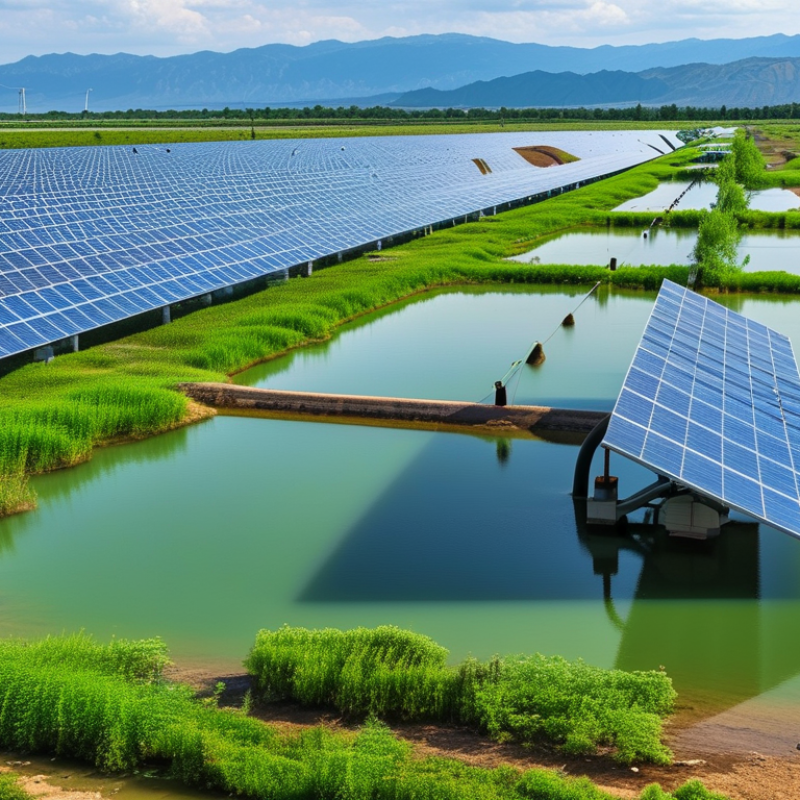
What is a Solar DC Surface Water Pump?
A Solar DC Surface Water Pump is an innovative solution for extracting water from shallow sources. These pumps utilize solar energy to power their operation, making them efficient and eco-friendly. Typically, they operate at low voltage DC, which allows them to work effectively in remote locations without access to the grid. According to a report by the International Renewable Energy Agency, solar water pumping systems can reduce water extraction costs by up to 70%.
These pumps are designed for various applications, from agriculture to household use. Their simplicity in design makes them low-maintenance and user-friendly. Depending on the application, users can choose pumps with different power outputs and flow rates. However, potential users should consider sunlight availability and pump specifications before making a decision.
Tips: Regularly check the solar panels for dirt and debris to maintain efficiency. Ensure the pump's power rating matches your water needs. Be aware that performance can decline on cloudy days; therefore, having a backup solution may be necessary. Consider investing in a quality battery system for storage, as this can enhance reliability when sunlight is limited.
Principle of Operation for Solar DC Surface Water Pumps
Solar DC surface water pumps are gaining traction due to their efficiency and eco-friendliness. They use solar panels to convert sunlight into electrical energy, powering the pump. This technology is particularly useful in remote areas where grid electricity is unavailable. According to the International Renewable Energy Agency (IRENA), solar pump technology can reduce operating costs by up to 80% compared to traditional fuel-based pumps. This economical operation is crucial for farmers and businesses relying on water supply.
The principle of operation for these pumps revolves around solar energy capturing and direct current (DC) distribution. The solar panels generate electricity, which is then directed to the DC motor of the pump. This setup minimizes energy losses and enhances efficiency. A report by the Solar Energy Industries Association (SEIA) states that solar pump systems can deliver up to 1,500 gallons of water per day for agriculture, demonstrating their capacity to meet significant water demands. However, variations in sunlight can affect performance, leading to fluctuations in output that require careful planning and system design.
As with any emerging technology, challenges remain in widespread adoption. While solar DC surface water pumps offer clear benefits, initial installation costs can be a barrier. Moreover, users must consider local solar resource availability and seasonal changes. These factors may impact system reliability and water output, prompting potential users to weigh their options carefully.
What is a Solar DC Surface Water Pump and How Does It Work?
| Feature | Description |
| Type | Solar DC Surface Water Pump |
| Power Source | Solar Panels |
| Operating Voltage | 12V to 24V DC |
| Flow Rate | 1000 to 5000 liters per hour |
| Suitable Applications | Irrigation, Livestock watering, Pond filling |
| Advantages | Renewable energy, Low operating costs, Environmentally friendly |
| Maintenance | Minimal; regular cleaning of solar panels recommended |
| Typical Warranty | 1 to 3 years |
Components of a Solar DC Surface Water Pump
A Solar DC Surface Water Pump is designed to lift water from various sources using solar energy. Its components are crucial for functionality and efficiency. Key parts include solar panels, a controller, DC motor, and the pump itself.
Solar panels convert sunlight into electrical energy. They directly power the pump through the controller, which regulates power supply. The DC motor draws water from low-lying areas. This setup allows for efficient water management in remote locations.
Tips: When installing the pump, ensure solar panels receive maximum sunlight. Keep the panels clean to maintain efficiency. Regularly check connections to avoid energy loss.
Another essential component is the pump type. Surface water pumps typically have a lower lift capacity. They work best for shallow water sources. It's important to evaluate your specific needs before purchasing. Consider factors like water depth and required flow rate.
Using a Solar DC Surface Water Pump can reduce energy costs. However, occasional maintenance is necessary. Inspect for wear and tear regularly. Evaluate pump performance, especially during low sunlight days. These factors can help improve overall efficiency.
Advantages of Using Solar DC Surface Water Pumps
Solar DC surface water pumps are becoming popular in various agricultural and domestic applications. These pumps operate using solar energy, offering a sustainable solution for water supply. The advantages of solar DC pumps are vast, especially in areas with limited access to electricity. According to recent industry reports, approximately 25% of global energy needs could potentially be met by solar power, which highlights the relevance of solar technology in water management.
One significant advantage of these pumps is their low operational cost. Traditional pumping systems can incur high energy expenses. In contrast, solar DC surface water pumps require minimal maintenance and have no fuel costs. This aspect is crucial for farmers and communities in remote areas. A survey indicated that solar-powered systems can cut water pumping costs by up to 80%, a game changer for resource-limited settings. Furthermore, these pumps often have a longer lifespan than conventional electric pumps, with many expected to last over a decade with proper care.
However, challenges remain. Initial costs for solar installation can be high, deterring some users. Additionally, solar pumps depend on sunlight availability, which can fluctuate. Undoubtedly, there are elements that necessitate further consideration. Balancing initial investment and energy savings is vital. Understanding local climatic conditions is essential for optimal performance. This complexity requires careful planning for wide-scale adoption of solar DC surface water pumps.
Applications of Solar DC Surface Water Pumps in Various Industries
Solar DC surface water pumps have gained traction across various industries. These pumps harness solar energy, making them an eco-friendly choice. They are utilized in agriculture for irrigation purposes. Farmers can rely on them to draw water from surface sources, especially in remote locations. This method reduces dependency on fossil fuels and lowers operational costs.
In the construction industry, these pumps serve multiple roles. They manage water effectively at job sites. This includes dewatering and providing water for mixing materials. Solar pumps can operate independently without the need for grid power. However, their efficiency can fluctuate with weather conditions. Understanding these variables is crucial for optimal usage.
Additionally, the hospitality sector employs solar water pumps to enhance sustainability. Hotels in remote areas use these systems for landscaping and pools. Although the initial costs can be a barrier, the long-term savings are significant. This presents a worthwhile investment for many businesses. Overall, while challenges exist, the advantages of solar DC surface water pumps are compelling across diverse sectors.
Applications of Solar DC Surface Water Pumps in Various Industries