A partner you can trust
Choosing an Electric Tricycle involves more than comparing prices and motor wattage. A reliable choice should match your daily route, carrying needs, storage space, and riding confidence. Picture the real journey: a narrow garage entrance, a steep neighborhood street, or two grocery bags beside the seat. These details can expose weaknesses that a showroom cannot.
This guide presents ten practical tips for evaluating an Electric Tricycle with care. It considers frame stability, battery range, charging time, braking performance, tire size, payload capacity, and rider comfort. Manufacturer specifications provide a starting point, but independent reviews and a supervised test ride offer stronger evidence. Ask the dealer how the battery performs after repeated use, where replacement parts come from, and who handles repairs. Service quality matters.
Small details matter.
A model may look powerful but feel awkward when turning. A long range claim may assume flat roads, light cargo, and ideal weather. That is worth questioning. Buyers should also measure doorways, parking areas, and turning space before ordering. Local equipment requirements and safety guidance deserve attention as well. No checklist removes every uncertainty, and this guide cannot predict every rider’s experience. Still, careful comparisons can reduce expensive mistakes. The best Electric Tricycle is not necessarily the fastest or cheapest. It is the one that remains steady, practical, and comfortable throughout ordinary daily use.
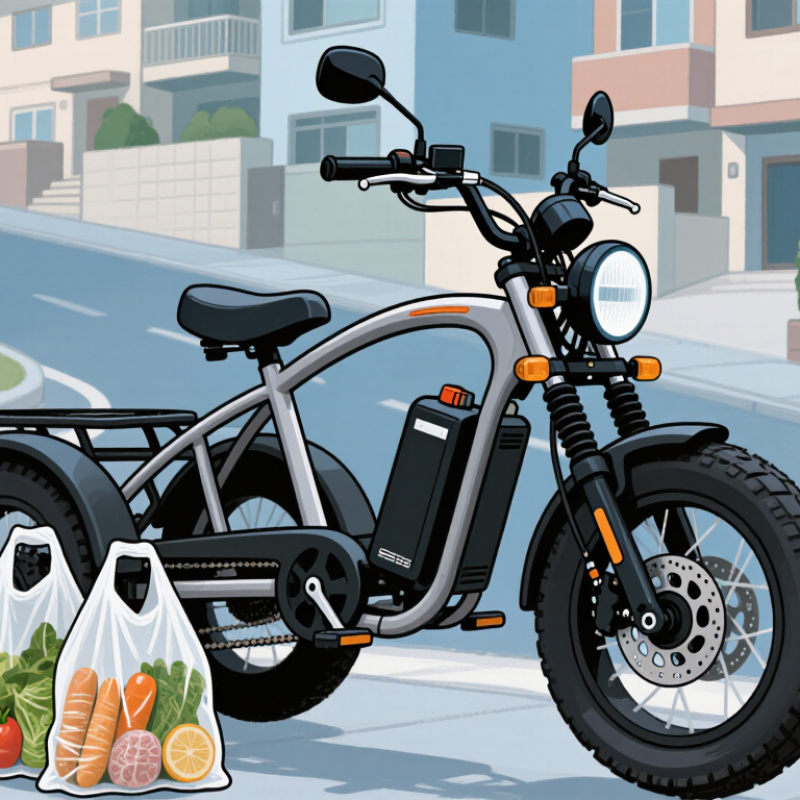
Choosing an electric tricycle starts with your real routine, not a brochure’s maximum range. The 2017 National Household Travel Survey reported an average U.S. vehicle trip of about 9.7 miles. Your trip may be shorter, but repeated stops, hills, and cargo change the calculation. Measure your usual route for one week. Note steep streets, rough pavement, narrow gates, and safe parking.
Daily distance matters more than advertised range. Add every outward and return journey, then include errands. A 12-mile daily route should not require a battery rated for only 12 miles. The U.S. Department of Energy explains that speed, temperature, terrain, and payload affect electric-vehicle efficiency. Leave a practical margin of 25 to 35 percent. It feels less exciting, but it reduces charging stress. Test the route if possible.
Riding position and stability also deserve attention. A wide rear axle may feel secure, yet it can make tight turns awkward. Carrying groceries low and centered improves control. Check whether the tricycle fits through your doorway or elevator. I once underestimated a short ramp; the motor managed it, but the braking distance felt longer than expected. That mistake changed my checklist. Record your rider weight, cargo weight, daily mileage, and charging location before comparing models. Reports provide averages. Your street provides the truth.
| Tip | Decision Dimension | Typical Riding Requirement | Recommended Specification or Check | Why It Matters |
|---|---|---|---|---|
| 1 | Define the primary use | Grocery trips, commuting, family transport, mobility support, or leisure riding | Choose a cargo layout for loads, a passenger layout for people, or a step-through frame for easier mounting | The frame, seating, storage, and balance should match the main task rather than occasional use |
| 2 | Measure daily travel distance | Short trips of 5–15 km, regular trips of 15–30 km, or longer daily travel above 30 km | Select a usable range at least 25–40% greater than your planned daily distance | Extra capacity helps offset hills, cold weather, heavy loads, stop-and-go traffic, and battery aging |
| 3 | Match the tricycle to your route | Paved streets, shared paths, uneven roads, gravel surfaces, or steep residential routes | Check tire width, ground clearance, braking performance, turning space, and stated incline capability | A tricycle that feels stable on smooth pavement may handle uneven or sloped routes differently |
| 4 | Calculate the load requirement | Rider plus groceries, tools, parcels, child seat, or other equipment | Add rider weight and cargo weight, then remain below the manufacturer’s total payload rating | Overloading can reduce braking control, increase stopping distance, and affect stability and range |
| 5 | Choose suitable battery capacity | Light assistance on flat roads or frequent assistance on hills and with heavy loads | For many everyday uses, compare batteries around 400–750 Wh by calculating watt-hours, not only advertised distance | Watt-hours provide a clearer basis for comparing energy capacity across different systems |
| 6 | Evaluate motor assistance | Flat commuting, moderate slopes, or repeated steep climbs | Compare continuous power, torque, pedal-assist response, and legal power limits in your area | Torque and control response are especially important when starting from a stop or climbing with cargo |
| 7 | Check stability and handling | New riders, low-speed maneuvering, narrow paths, or frequent turns | Test steering feel, wheelbase, turning radius, seat height, parking brake, and low-speed balance | Three wheels provide stationary support, but cornering technique and vehicle width still affect handling |
| 8 | Prioritize braking and visibility | Urban traffic, downhill routes, evening travel, or heavier payloads | Look for dependable front and rear brakes, brake lights, reflectors, a headlight, bell or horn, and reflective details | Stopping ability and visibility become more demanding as speed, traffic, slope, and total weight increase |
| 9 | Consider comfort and accessibility | Daily riding, longer journeys, limited leg strength, or frequent mounting and dismounting | Check step-through height, adjustable handlebars, saddle support, suspension options, and an upright riding position | A comfortable, accessible setup encourages consistent use and improves control over longer trips |
| 10 | Plan charging and storage | Apartment storage, outdoor parking, workplace charging, or daily use in wet conditions | Confirm battery removability, charging time, charger location, storage width, lock points, and weather protection | A tricycle is easier to use when it can be safely stored, secured, and charged after every trip |
Note: Actual range depends on rider and cargo weight, terrain, temperature, tire pressure, wind, speed, and assistance level. Always follow local regulations and the vehicle’s rated limits.

10 Tips for Choosing an Electric Tricycle?
Motor power should match your route, load, and riding habits. A modest motor may handle flat streets well, but steep hills need stronger sustained output. Do not judge performance by wattage alone. Controller limits, wheel size, gearing, and torque also affect climbing ability. During a test ride, carry a realistic load and watch whether acceleration weakens uphill. That detail matters.
Battery capacity is best compared in watt-hours, not amp-hours alone. Multiply voltage by amp-hours to estimate usable energy. For example, a 48-volt, 15-amp-hour battery stores about 720 watt-hours before normal losses. Actual range depends on rider weight, cargo, tire pressure, temperature, wind, and frequent stops. A smooth bike path can produce very different results from a hilly delivery route. Leave a reserve of at least 20 percent.
My first range estimate was too optimistic because I ignored cold weather and soft tires. Real-world testing corrected it. Ask whether the stated range uses a light rider, low speed, and flat pavement. Those conditions may not match your daily trip. A larger battery adds weight and charging time, while an oversized motor can waste energy on easy routes. Choose the balance that fits your terrain, payload, and charging access. Five extra miles can be valuable. More capacity is not always better.
A dependable electric tricycle begins with a stable frame. Tip 1: Inspect welded joints for clean, even finishing. Tip 2: Choose a low step-through frame for easier mounting. Tip 3: Check whether the frame stays rigid during slow, tight turns. A short test ride can reveal flex that specifications often miss. Tip 4: Prefer a wide rear axle and balanced wheel placement. Stability matters most near curbs, ramps, and uneven pavement.
Load capacity includes the rider, battery, accessories, and every item in the basket. Tip 5: Add these weights before comparing capacity figures. Tip 6: Leave a safety margin instead of riding at the stated maximum. For example, a 120-kilogram limit should not routinely carry 119 kilograms. Tip 7: Examine the cargo platform for support beneath its corners. Tip 8: Test braking with a realistic load, not an empty tricycle. Heavy groceries can change stopping distance noticeably.
Rider comfort affects control and long-term confidence. Tip 9: Adjust the seat until both feet can reach the ground comfortably. Tip 10: Look for handlebars that keep your shoulders relaxed. Check grip texture, pedal position, suspension, and lighting controls during a short ride. The saddle may feel fine for ten minutes, then become tiring after an hour. I once underestimated this detail. That was a useful mistake. Ask whether the battery can be removed easily, and confirm that routine servicing is accessible. A comfortable, well-supported riding position helps you steer accurately when roads become rough.
Evaluate frame stability, load capacity, rider comfort, braking, battery range, visibility, controls, tires, accessibility, and maintenance before making a purchase.
The chart uses a practical 1–10 evaluation scale. Higher scores indicate features that deserve greater attention during a real-world inspection and test ride.
A reliable braking system deserves a hands-on inspection. Squeeze both brake levers and notice whether they feel firm, even, and predictable. Test the parking brake on a slight slope before carrying cargo. Ask whether replacement pads and cables are easy to obtain. Inspect exposed cables for rust, fraying, or sharp bends. A short test ride can reveal pulling, grinding, or delayed stopping. These details matter more than impressive speed claims.
Lighting should support real journeys, not just showroom appearance. Check that the front lamp clearly illuminates uneven pavement after dusk. Rear lamps and reflectors should remain visible from several directions. Turn signals, if fitted, must be bright and easy to understand. Try every switch while wearing gloves. Reflective strips on the frame and wheels add useful visibility. I once overlooked a weak rear light, and evening traffic made that mistake obvious.
Examine the tires for deep tread, strong sidewalls, and correct load capacity. Wider tires may feel steadier, but they still need regular pressure checks. Look for valves that are accessible and puncture repairs that seem practical. Safety features should include a stable frame, secure seat belts when available, a horn, and dependable battery protection. Confirm that the manual explains charging, maintenance, and weight limits. My checklist is not perfect. A qualified technician should inspect unusual noise or steering movement before regular use.
When choosing an electric tricycle, inspect its charging system before admiring its basket or paint.
A removable battery can charge indoors, which helps apartment riders avoid outdoor outlets. A fixed battery may offer cleaner wiring, but it needs a secure parking area. Check charging time, socket requirements, and replacement battery costs. A simple display should show charge level clearly in bright sunlight.
During a test ride, I would ask whether the charger becomes warm after several hours. That small detail matters.
Maintenance support can decide whether a useful tricycle becomes an expensive ornament.
Ask who handles brake adjustments, tire changes, electrical faults, and software checks. Local service access is valuable when a motor suddenly loses power. Request written service intervals, not only verbal promises. Examine the warranty carefully, including battery coverage, labor charges, and exclusions for water damage or normal wear.
A long warranty sounds impressive. Its conditions may be less generous.
Keep receipts and inspection records, because reliable claims often depend on clear documentation.
Price should include accessories, delivery, assembly, insurance requirements, and future battery replacement.
A cheaper model may require frequent adjustments or specialized repairs. A higher purchase price can be reasonable when parts are standard and technicians are available nearby. Still, I would not assume expensive means dependable.
Compare total ownership costs over three years, using realistic weekly mileage. Leave room for error; charging habits and storage conditions vary.
That honest estimate is more useful than a polished sales figure.
This content is restricted to site members. If you are an existing user, please log in. New users may register … LEARN MORE “Lighting Power & Control-Signal Cable”
We are here to help. You can contact us or create an account online to have access to special products, technical specifications and our new online quote tool.
ELECTRO CABLES
9 Riverside Drive
P.O. Box 276
Trenton, Ontario
CANADA K8V 5R5
N.A. Toll Free: 888-ELECTRO
(1-888-353-2876)
World: 613-394-4896
Fax: 613-394-4101
Email: sale@machinecables.com
We manufacture cables that are certified by the Canadian Standards Association (CSA), listed by Underwriters Laboratories and/or listed by Intertek (ETL).
Our quality management system is registered to ISO 9001: 2015. Our team is dedicated to consistently providing quality service and products to our customers.

© 2025 ELECTRO CABLES • SITE BY SNAP 360•