Top Tips for Choosing ARM Industrial Panel PC for Your Needs?
In the rapidly advancing world of industrial technology, the choice of an ARM Industrial Panel PC is crucial. These devices are increasingly recognized for their compact design, energy efficiency, and robust performance. According to a recent report by Allied Market Research, the global industrial PC market is expected to reach $8.77 billion by 2026, with a significant portion driven by ARM technology.
Selecting the right ARM Industrial Panel PC involves several critical factors. Performance, durability, and support are essential. It's important to assess the processing power, touchscreen responsiveness, and overall build quality. Reports indicate that industrial applications demand devices that can withstand harsh environments while providing reliable connectivity. Choosing a PC that aligns with your specific operational needs and industry standards will enhance productivity.
However, the abundance of options can be overwhelming. Many users underestimate the need for specialized features. While focusing on brand reputation is essential, it should not overshadow the unique requirements of each application. Investing time in research can reveal the perfect fit for your industrial environment. A thoughtful approach can lead to achieving greater efficiency and reliability in your operations.
Key Factors to Consider When Choosing an ARM Industrial Panel PC
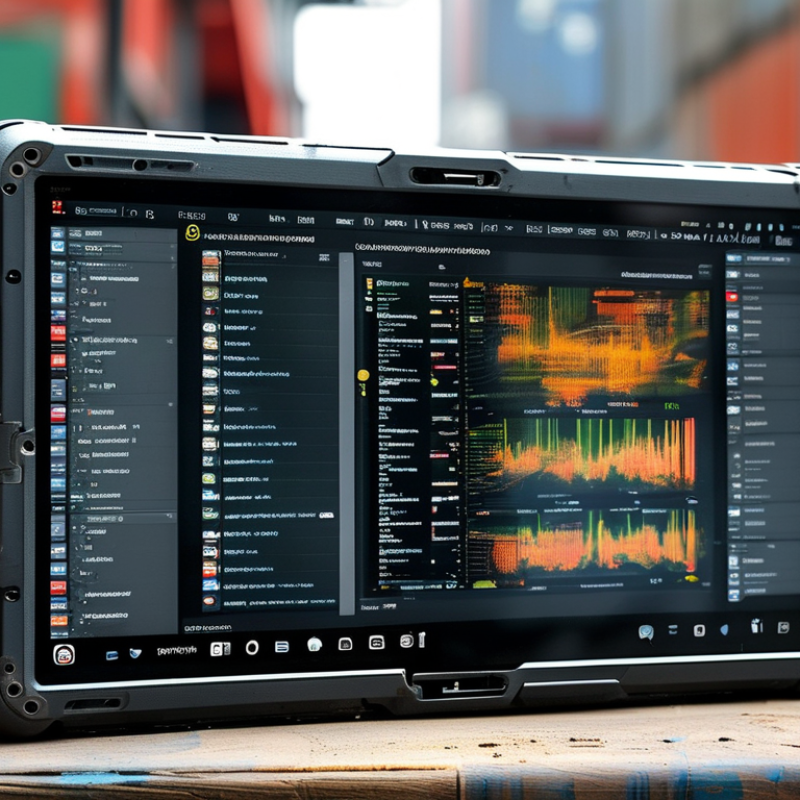
When selecting an ARM Industrial Panel PC, several key factors come into play. Firstly, consider the processing power required for your specific applications. Data from industry reports show that ARM architectures efficiently handle tasks in automation and IoT scenarios. The right processor ensures smooth operation in demanding environments. Pay attention to the number of cores and clock speed; these parameters directly influence performance.
Thermal management is another crucial aspect. Many industrial settings have extreme temperatures. Research indicates that effective thermal solutions can extend the lifespan of electronic devices significantly. Make sure your chosen panel PC features robust cooling mechanisms to prevent overheating. It's essential for reliability in harsh conditions.
The display quality also matters. For tasks requiring high visibility, opt for panels with enhanced brightness and contrast ratios. A study highlighted that optimal display features increase operator efficiency by up to 25%. Connectivity options are vital too; ensure your device supports various protocols for seamless integration with existing systems. The right configuration can help reduce downtime and improve productivity.
Top Tips for Choosing ARM Industrial Panel PC for Your Needs
| Feature | Description | Importance Level |
| Processor Performance | Evaluate the clock speed and number of cores that match your application requirements. | High |
| Display Quality | Consider resolution, brightness, and touchscreen capabilities for user interaction. | Medium |
| Connectivity Options | Check for USB, Ethernet, HDMI, and other ports for peripheral connections. | High |
| Operating Temperature Range | Ensure it can withstand environmental conditions in industrial settings. | High |
| Power Consumption | Look for energy-efficient models to reduce operational costs. | Medium |
| Durability and Build Quality | Select models with robust casings to protect against physical damage. | High |
Understanding the Specific Requirements of Your Industrial Application
Selecting the right ARM industrial panel PC hinges on understanding the specific demands of your application. Assess factors like environment, processing power, and connectivity requirements. According to a recent industry report, around 75% of failures in industrial setups occur due to mismatched hardware. This highlights the importance of aligning your PC's specifications with your operational needs.
Consider the environment where the device will be used. Many industrial settings expose equipment to dust, moisture, and temperature fluctuations. For instance, panel PCs may need to operate reliably in temperatures ranging from -20°C to 60°C. Ensuring that the chosen unit meets these criteria can significantly enhance durability and longevity.
Processing capabilities must also align with application requirements. Studies indicate that 70% of users reported performance issues due to insufficient processing power. Whether running simple monitoring tasks or complex analytics, evaluate your workload. An ARM panel with adequate specifications not only boosts efficiency but can prevent downtime. Reflecting on these key aspects ensures you make an informed decision in your hardware selection journey.
Evaluating Performance Specifications for Optimal Productivity
When selecting an ARM industrial panel PC, one of the most critical aspects to evaluate is performance specifications. Performance directly impacts productivity, especially in industrial environments. Consider the processing power and memory. A robust processor can handle multiple tasks efficiently, while adequate RAM ensures smooth operation. Without sufficient resources, system slowdowns can occur, leading to complications and costly downtime.
Tips for assessing performance include checking CPU benchmarks. These numbers can reveal significant insights into processing capabilities. Observe thermal management features; overheating can degrade performance significantly. Additionally, I/O capabilities deserve attention. A panel PC with diverse connectivities, such as USB, HDMI, or Ethernet, offers better flexibility for application integration.
Another key point is assessing durability and environmental resistance. Industrial settings can be harsh, exposing devices to dust, heat, or moisture. Ensure the panel PC has protective ratings like IP65 or higher. This specification can prevent potential failures. Testing applications under varied conditions can highlight whether a system meets your specific needs. Avoid overlooking these aspects to enhance productivity and prevent future issues.
Performance Specifications of ARM Industrial Panel PCs
This bar chart illustrates the performance specifications of ARM Industrial Panel PCs, showcasing key metrics such as CPU speed, RAM, storage capacity, display resolution, and power consumption. This data can help you evaluate performance for optimal productivity when choosing the right panel PC for your needs.
Assessing Connectivity Options and Compatibility with Existing Systems
When choosing an ARM industrial panel PC, connectivity options are a critical factor. Ensure the device supports the communication protocols you intend to use. Common options include USB, Ethernet, and serial ports. Each serves different needs. Your existing systems may require certain ports or wireless capabilities. Check for compatibility to avoid future headaches.
Compatibility with your current infrastructure is equally essential. An ARM panel PC should seamlessly integrate with your existing devices. Research is vital. Investigate the specifications of your current systems. Do they support the latest connectivity standards? Ignoring this can lead to mismatched systems and inefficiencies.
Evaluate your current and future needs as well. Will your requirements change over time? Consider scalability when selecting a panel PC. It is frustrating to invest in technology that quickly becomes obsolete. The right choice can enhance operational efficiency. Be mindful of these details to avoid potential pitfalls.
Ensuring Durability and Reliability for Harsh Industrial Environments
Choosing an ARM industrial panel PC for tough environments means understanding durability and reliability. In harsh conditions, systems are exposed to dust, moisture, and temperature extremes. Selecting a panel PC with sealed enclosures provides protection against these elements. Look for IP ratings that confirm resistance to both dust and water.
Another important factor is the choice of materials. Metals like aluminum offer strength and heat dissipation. Evaluate a product's resistance to vibrations. Implementing shock-mounted designs can safeguard internal components. Power supply stability is also crucial. Unexpected power surges can damage sensitive electronics.
Testing and certification are vital as well. A reliable panel PC should be certified to industry standards. These include thermal endurance and mechanical stability. Industry certifications ensure a device can function correctly under pressure. Always ask for details about warranty and customer support. Having a reliable partner is essential when challenges arise.