Top Tips for Choosing the Right Electric Cable Wire?
Choosing the right electric cable wire can feel overwhelming. With so many options available, how do you ensure you make the right choice? According to industry expert John Smith, “Selecting the appropriate electric cable wire is crucial for safety and efficiency.”
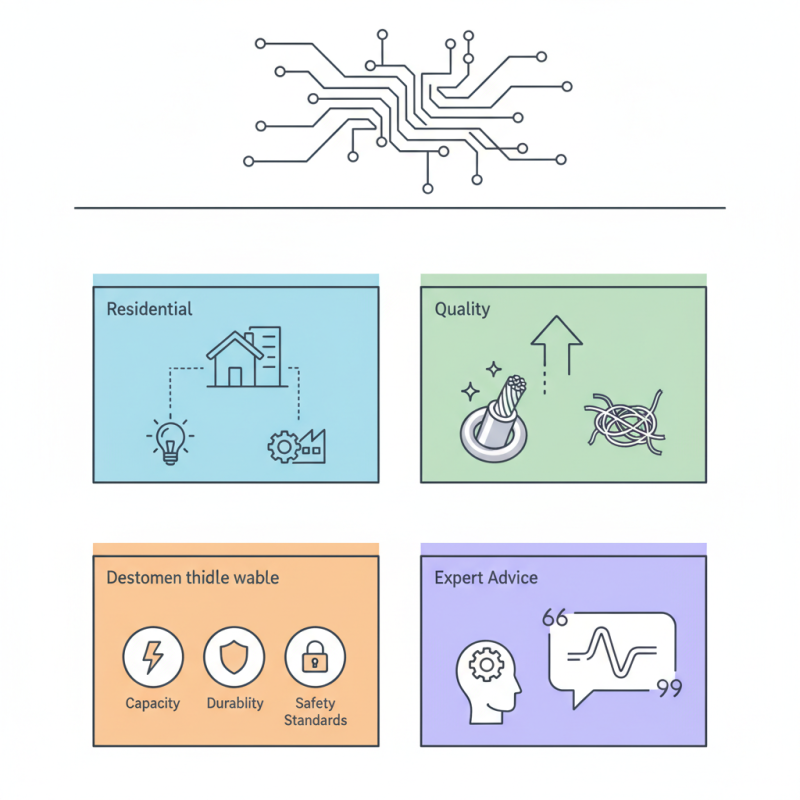
Electric cable wire comes in various types and sizes. Each serves a different purpose, impacting the performance of your electrical system. For instance, residential wiring often differs from commercial setups. Understanding these differences is vital. Many people overlook this aspect, leading to potential hazards.
Moreover, quality matters. Not all wires are created equal. Cheap options may save money upfront but can cause issues down the line. As John Smith reminds us, “Investing in reliable electric cable wire can prevent costly repairs.” Evaluate your needs carefully. Think about capacity, durability, and safety standards. Each factor plays a significant role in your project's success.
Understanding Different Types of Electric Cable Wires
When choosing electric cable wires, understanding the types is crucial. Different cables serve specific purposes. For example, THHN wire is commonly used for building wiring, while NM-B wire is suitable for residential applications. According to the National Electrical Code (NEC), proper selection enhances safety and efficiency in electrical systems.
Consider the insulation material. PVC, for instance, is durable but may not perform well in extreme temperatures. Conversely, rubber insulation is flexible and well-suited for outdoor use. Reports suggest that improper insulation can lead to short circuits, resulting in up to $1 billion in fire damage annually.
Voltage rating also matters. Wires designed for lower voltages might not handle higher demand. Industry statistics show that using the wrong wire can increase energy loss by 20%. Recognizing your wire's amperage capacity is essential. Many do not realize that ignoring these details can pose safety risks. Always consult the NEC guidelines to ensure compliance and reliability in your projects.
Top Tips for Choosing the Right Electric Cable Wire
| Type of Cable |
Use Case |
Voltage Rating |
Conductor Material |
Insulation Type |
| PVC Cable |
General electrical wiring |
600 V |
Copper |
PVC |
| XLPE Cable |
Power distribution |
0.6/1 kV |
Aluminum |
Cross-linked polyethylene |
| Armoured Cable |
Underground installations |
0.6/1 kV |
Copper |
PVC |
| Silicone Cable |
High-temperature applications |
300 V |
Copper |
Silicone rubber |
| TPE Cable |
Flexible applications |
300/500 V |
Copper |
Thermoplastic elastomer |
Identifying the Right Wire Gauge for Your Needs
When selecting the correct wire gauge for your electric cable needs, understanding wire gauge is essential. Wire gauge affects the current capacity. The American Wire Gauge (AWG) system is widely used. For example, a 10 AWG wire can safely handle 30 amps, while a 16 AWG wire can only handle 10 amps. Choosing too thin a wire may lead to overheating or electrical fires.
Another critical point is the length of the wire run. Longer runs necessitate thicker wires to compensate for voltage drop. A report from the National Electrical Manufacturers Association indicates that a voltage drop exceeding 3% can lead to equipment inefficiency. Consider your project's specific requirements carefully, as improper gauge selection can result in performance issues. This is information that can't be ignored.
Regularly observing installation practices is vital. Many people overlook the significance of matching the wire gauge to the load and distance. It can be easy to underestimate the implications. Ensuring you get the correct gauge helps promote safety and performance. Awareness of these aspects aids in making an informed choice, protecting your investment, and ensuring reliable electricity flow.
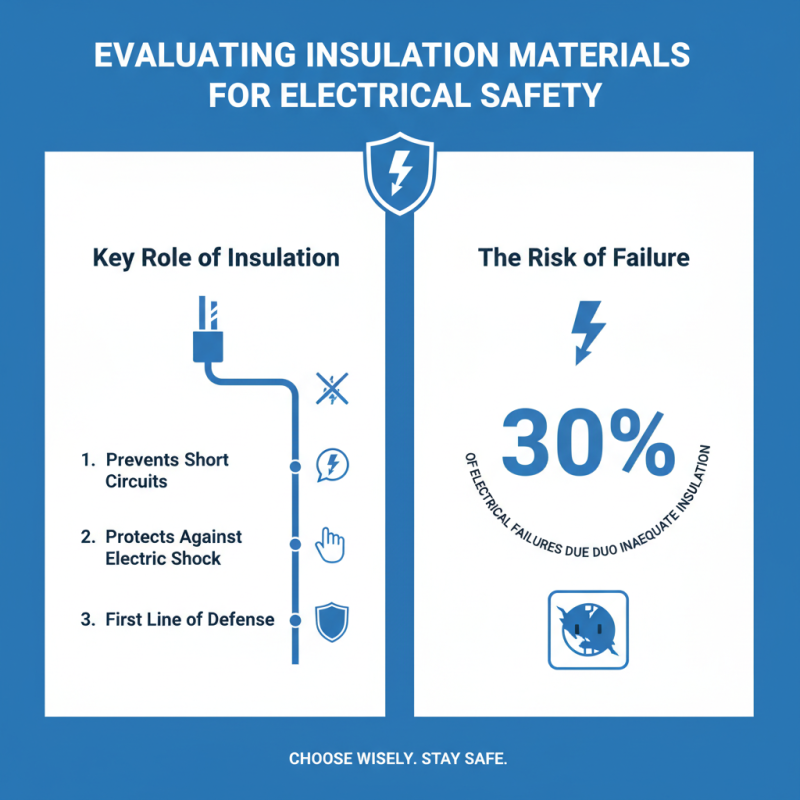
Evaluating Insulation Materials for Electrical Safety
When choosing electric cable wire, the insulation material is crucial for electrical safety. Insulation serves as the first line of defense against short circuits and electrical shocks. According to industry reports, approximately 30% of electrical failures stem from inadequate insulation. This highlights the importance of selecting the right materials.
Common insulation types include PVC, rubber, and thermoplastic elastomers. Each material has unique properties that affect durability and performance. For instance, PVC is popular due to its cost-effectiveness and decent thermal resistance, making it suitable for household applications. In contrast, rubber offers superior flexibility and resistance to environmental stressors, which is essential for outdoor usage. However, rubber can degrade over time, making it less reliable if not properly maintained.
Evaluating insulation materials requires understanding their ratings. The National Electric Code (NEC) provides guidelines on temperature and voltage ratings for different insulation types. Choosing a wire with appropriate ratings can prevent overheating. Yet, many consumers overlook these details. Informed decisions can significantly enhance electrical safety while reducing risk.
Considering Electrical Load and Voltage Requirements
When choosing the right electric cable wire, considering electrical load and voltage requirements is crucial. The right wire ensures safety and efficiency. According to the National Electrical Code (NEC), using a wire with adequate current capacity reduces the risk of overheating and fire hazards. For example, a 12 AWG wire can handle up to 20 amps, making it suitable for standard residential circuits. Understanding your load helps you select the appropriate gauge.
Tips for selecting the right wire include assessing the total amperage of your devices. Overloading a wire can lead to failure. Use a wire that accommodates your peak load and has a margin for safety. Additionally, consider voltage drop. For long distances, a larger diameter wire may be necessary. The standard guideline suggests keeping voltage drop below 3% for efficiency.
Another key point is insulation type. Different applications require various insulation materials to withstand temperature or environmental conditions. For example, THHN is ideal for dry areas, while UF is suited for underground use. Thoughtfully choosing insulation can enhance the wire's lifespan and reliability. Always consult available resources like NEC tables and load calculation guides when in doubt. Making informed decisions will pave the way for safe and effective electrical installations.
Electrical Load and Voltage Requirements for Different Applications
Choosing Between Indoor and Outdoor Cable Options
When selecting electric cable options, one must consider whether the cable will be used indoors or outdoors. Indoor cables are typically designed with flexibility and convenience in mind. They often have insulation that protects against general wear and tear. However, they may not endure the same environmental challenges as outdoor wires.
Outdoor cables require specialized construction. They need to resist moisture, UV rays, and temperature extremes. These cables often feature a tough outer jacket. While this can provide durability, it may also limit flexibility. Choosing the wrong cable for outdoor use can lead to failure over time.
Evaluating the installation environment is crucial. For example, an installation in a damp basement may need attention to moisture resistance. Conversely, cables exposed to sunlight demand UV protection. Failing to match the cable type to its intended environment can result in serious issues. It's vital to consult reliable sources and seek professional advice before making a final decision.