Ultimate Tips for Choosing the Right Micro Coaxial Cable?
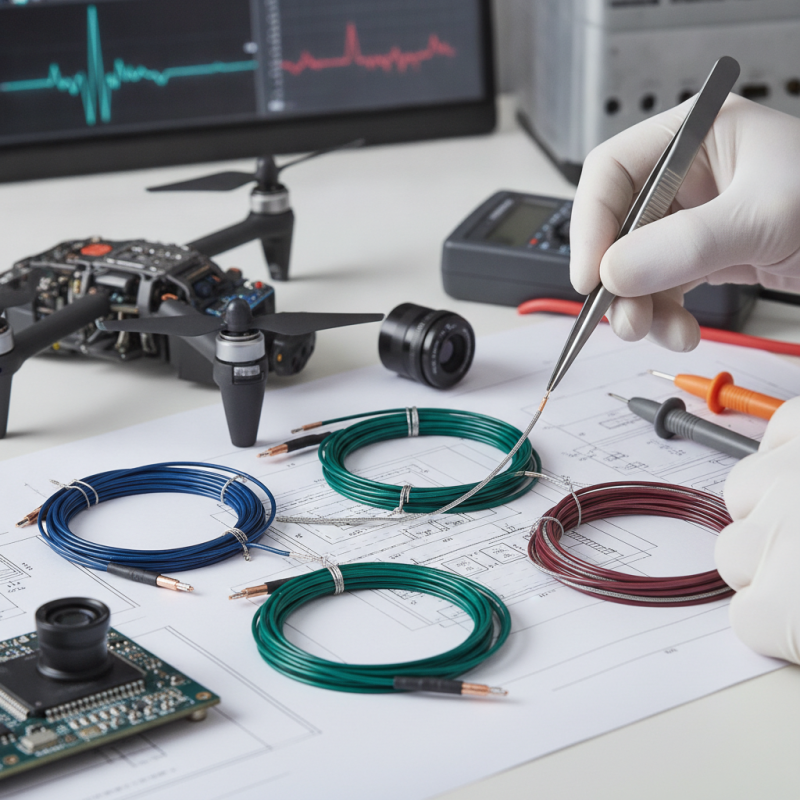
Choosing the right micro coaxial cable can feel overwhelming. With numerous options available, it's essential to make an informed decision. A micro coaxial cable is vital for high-frequency applications like video connections or data transmission.
Understanding your project requirements is crucial. Not all cables are created equal, and selecting the wrong one could impact performance. Common pitfalls include overlooking the cable's impedance and signal loss. A cable that’s not suited for your device can lead to malfunction or poor quality output.
Consultation with experts can provide valuable insights. Their experience can help identify which specifications matter most. It's essential to consider the environment where the cable will be used. Conditions like temperature fluctuations or exposure to moisture can affect durability. Making an informed choice will ensure reliable performance over time.
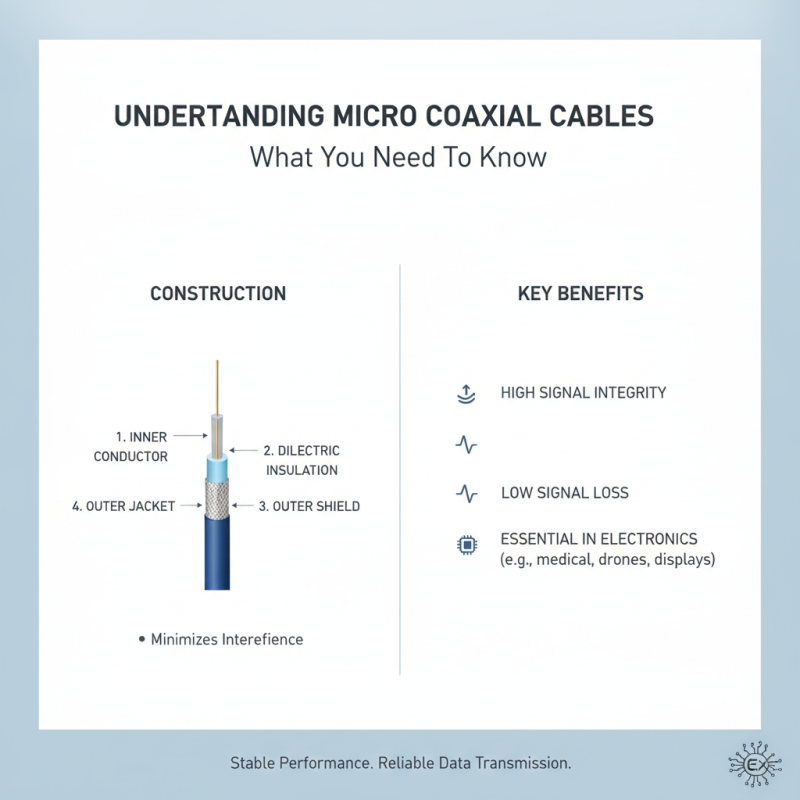
Understanding Micro Coaxial Cables: What You Need to Know
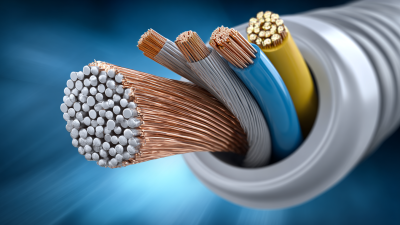
Micro coaxial cables are essential components in many electronic devices. They transmit signals with low loss and high integrity. Understanding their construction is crucial. A micro coaxial cable typically consists of an inner conductor, dielectric insulation, and an outer shield. This design minimizes interference and ensures stable performance.
When choosing a micro coaxial cable, consider the application. Think about factors like dielectric material, conductor size, and cable length. Inaccurate choices can lead to signal degradation. Testing different cables may be necessary to find the right fit. It's a process of trial and error. Trust your measurements and user feedback.
Quality matters in micro coaxial cables. Pay attention to the specifications provided by manufacturers. Reliable connectors and shielding can make a big difference. Don’t overlook the importance of flexibility and durability. These factors can affect installation and long-term use. Stay informed and be willing to adapt your choices based on real-world experiences. Every decision impacts performance.
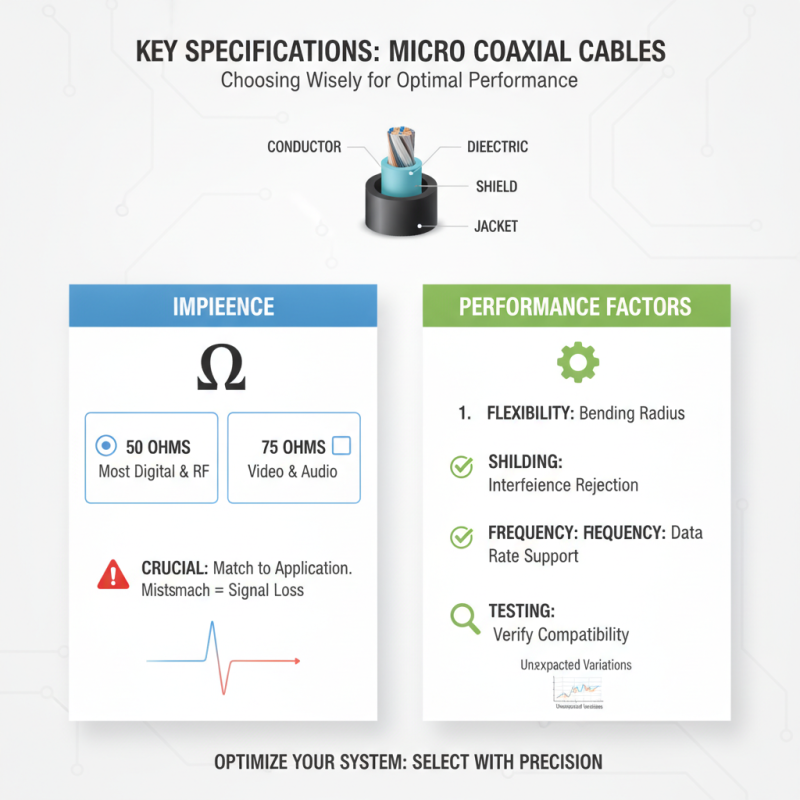
Key Specifications to Consider When Choosing Micro Coaxial Cables
When selecting micro coaxial cables, key specifications play a crucial role. One of the most important factors is the cable’s impedance. Most applications require either 50 ohms or 75 ohms. Incorrect impedance can lead to signal loss or reflections. Testing with different impedances may reveal unexpected performance variations.
Another vital aspect is the cable’s construction. Features like the inner conductor material, dielectric type, and shield coverage are vital. A thicker conductor may improve signal strength. The type of dielectric impacts the signal’s velocity and loss. Not all cables are built equally, and sometimes a slight difference can significantly affect outcomes.
Flexibility is also a consideration. Cables need to be durable yet pliable for easy routing. However, many cables fail the bend tests over prolonged use. It’s wise to reference manufacturer data, but real-world testing often reveals unexpected results. Take time to evaluate how a cable performs in your specific environment. Failures can occur where specifications appear perfect on paper.
Factors Affecting Performance and Quality of Micro Coaxial Cables
When selecting micro coaxial cables, several critical factors influence their performance and quality. The cable's construction plays a vital role. Pay attention to the materials used in the shield and insulator. High-quality materials enhance signal integrity. Look for cables with proper shielding to reduce interference from external sources. Poor shielding can lead to signal degradation.
Additionally, the cable's diameter affects its flexibility and performance. Thinner cables can be easier to bend but may not handle power as effectively. Consider the application requirements. For instance, cables used in high-frequency applications need meticulous attention to their specifications. Be wary of cables that claim to perform well under all conditions. Real-life testing often reveals limitations not indicated on packaging.
Another essential factor is the connector quality. Connectors should match well with the cables to maintain performance. Mismatched connectors often create poor connections. This can lead to signal loss. It's crucial to assess both input and output ends of the cable. Do not overlook the importance of installation practices. Incorrect installation can negate even the highest quality cable.
Best Practices for Installation and Handling of Micro Coaxial Cables
When it comes to installing micro coaxial cables, precision is key. Ensure that your workspace is clean and well-lit. Dirt and dust can create interference. Always use the right tools for stripping and terminating cables, as improper tools can damage the delicate structure of the cable. Take your time during this process; rushing can lead to costly mistakes.
Cable routing is another critical aspect of installation. Avoid sharp bends and tight loops. These can affect the cable's performance and lifespans, such as signal degradation. When securing cables, choose appropriate clips that do not crush the cable. Remember, proximity to other electronic devices can introduce unwanted noise. Maintaining distance from such devices is often overlooked but crucial for preserving signal quality.
Additionally, handling micro coaxial cables requires care. Wearing gloves can prevent oils from your hands from damaging insulation. Don't pull cables too hard during installations. Excessive tension may cause internal complications. Finally, documenting your cable layout can save time in the future. It aids troubleshooting and future modifications. Reflect on your installation practices regularly to improve efficiency and effectiveness.
Ultimate Tips for Choosing the Right Micro Coaxial Cable
| Characteristic |
Recommendation |
Installation Tips |
Handling Precautions |
| Impedance |
Choose 50 or 75 Ohm based on the application |
Ensure all connectors match the cable impedance |
Avoid sharp bends to prevent signal loss |
| Cable Diameter |
Select a size appropriate for the connector ports |
Use protective tubing for tight spaces |
Handle with care to avoid crushing |
| Material |
Opt for high-quality copper for minimal signal loss |
Keep away from moisture and extreme temperatures |
Store in a cool, dry place |
| Shielding Type |
Select double-shielded for high-frequency applications |
Ensure shield connections are intact |
Minimize exposure to potential interference |
Common Applications of Micro Coaxial Cables in Various Industries
Micro coaxial cables play a vital role in various industries today. They provide reliable connectivity in compact spaces. Their design allows for efficient transmission of high-frequency signals. This makes them ideal for applications such as telecommunications and medical devices. In telecommunications, micro coaxial cables connect antennas and modules. They help in maintaining signal integrity across devices.
In the medical field, these cables are essential for imaging systems. They ensure high-quality transmission of data from imaging equipment to monitors. This clarity can be crucial for accurate diagnostics. Aerospace is another area where micro coaxial cables are significant. They withstand harsh environments and support communications in aircraft.
However, selecting the right cable can be challenging. Not all applications require the same specifications. It's important to analyze each use case. Consider factors like size, flexibility, and frequency. This attention to detail can prevent future issues. An incorrect choice may lead to signal loss or interference. Reflect on your requirements carefully. Each application may demand different standards. Failing to align these can impact performance.
Micro Coaxial Cable Applications Across Industries