Top 10 Tips for Choosing the Right Wire and Cable?
Choosing the right wire and cable is crucial for any project. Whether you are wiring a new home or repairing an existing circuit, making an informed choice ensures safety and functionality. With various types available, the decision can be overwhelming. Understanding the specifications and applications is essential for optimal performance.
Wire and cable vary significantly in materials, sizes, and capacities. Each type serves a specific purpose, impacting the overall efficiency of electrical systems. Professionals and DIY enthusiasts alike must consider these factors. A poor choice can lead to failures or hazards.
Practical considerations often emerge during selection. For example, knowing the electrical load is vital. Environmental conditions also play a role. Experience and knowledge about different options can guide better selections. However, many overlook these details, leading to regrettable mistakes. Overall, investing time in choosing the right wire and cable is crucial for project success.
Understanding Different Types of Wires and Cables
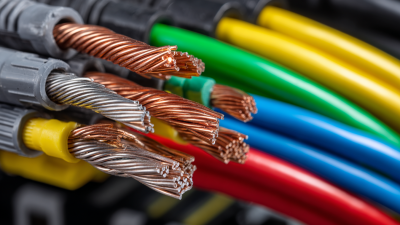
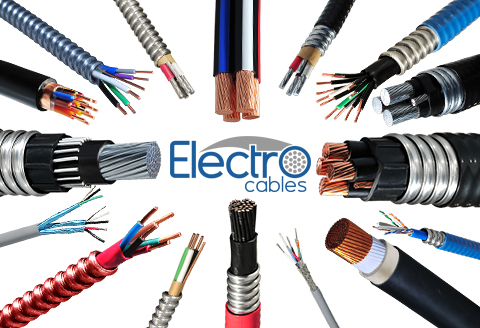
When selecting the right wire and cable, understanding their types is crucial. There are various options available, each designed for specific functions. For example, copper wires are excellent for electrical conductivity. Aluminum wires, though lighter, have their downsides in conductivity and strength. Polyvinyl chloride (PVC) insulation is common; it provides decent resistance to moisture and chemicals.
Look into the applications of each wire type. For instance, low-voltage cables are perfect for indoor environments. Meanwhile, high-voltage cables are necessary for outdoor use in harsher conditions. Fiber optic cables, however, are ideal for high-speed data transmission. It’s essential to clarify your needs to select appropriately.
While these general guidelines can help, mistakes can still occur. Sometimes, users misjudge the gauge or insulation type needed for a specific task. This can lead to overheating and inefficient energy use. Reflection on your project requirements is vital to prevent these pitfalls. Adequate understanding and research can significantly minimize risks in wire and cable selection.
Identifying Your Project's Specific Electrical Requirements
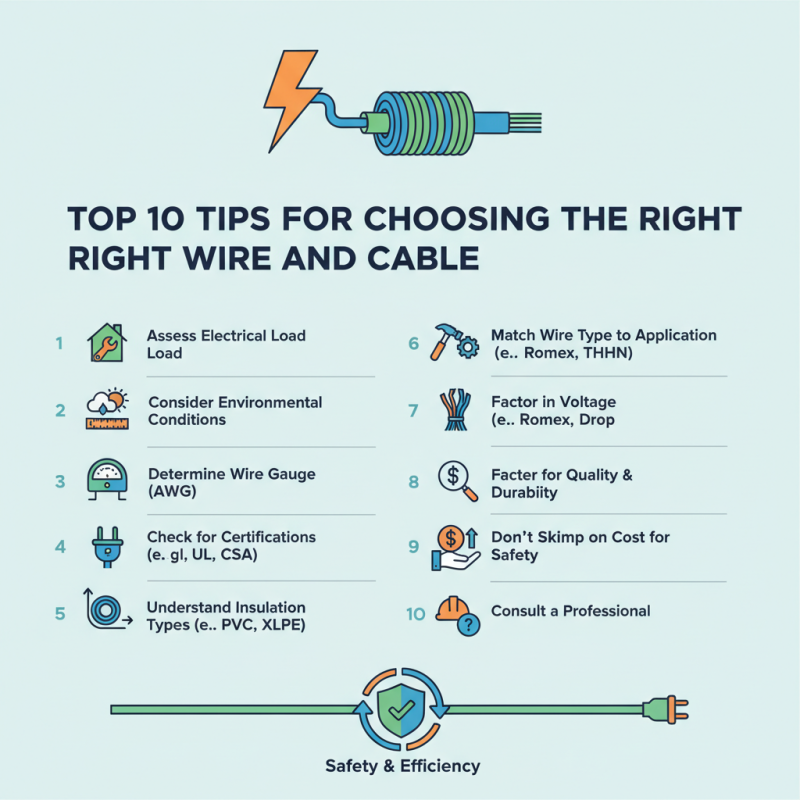
When selecting the right wire and cable for your project, it's crucial to identify your electrical requirements accurately. Start by assessing the voltage and current that your application will demand. Understanding these factors helps you pick the appropriate wire gauge. For example, a higher current needs a thicker wire to prevent overheating.
Consider the environment in which the cables will be used. Will they be exposed to moisture, chemicals, or extreme temperatures? These conditions can affect the insulation type you should choose. A wire suitable for an indoor project may not withstand outdoor elements.
Pay attention to the length of the run. Longer distances can lead to voltage drops, which may not be acceptable in many applications. Use voltage drop calculators to guide your decisions. Examining these details will ensure you select the best wire or cable for your needs. Prioritize reliability and safety to prevent future issues. Always ask for advice when in doubt, as even experienced electricians continuously learn about evolving standards and practices.
Evaluating Wire and Cable Ratings: Voltage, Current, and Temperature
When selecting the right wire and cable, understanding ratings is crucial. Voltage ratings indicate the maximum voltage a cable can safely handle. Choosing a wire with an insufficient voltage rating can lead to overheating and potential failure. Always check the specifications against the requirements of your project.
Current ratings are equally important. They define the amount of electrical current the wire can carry without overheating. Ignoring these ratings may result in dangerous conditions. It’s essential to consider the load the wire will carry, taking into account any potential surges in current. Overloading a wire can compromise both safety and performance.
Temperature ratings should not be overlooked. High temperatures can degrade wire insulation and affect reliability. Environment matters too, as wires in tight spaces may heat up differently than those in open areas. Always assess the installation environment for temperature variations. Reflect on these factors to ensure the longevity and safety of your wire and cable choices.
Considering Environmental Factors: Indoor vs. Outdoor Use
When choosing wires and cables, environmental factors play a crucial role. Indoor and outdoor applications require different considerations. Indoor cables are typically shielded against electromagnetic interference, while outdoor cables need to endure UV exposure and moisture. A study from the National Electrical Manufacturers Association indicates that nearly 20% of electrical failures result from improper cable selection based on these environmental factors.
Temperature variations also affect cable performance. Outdoor cables must withstand extreme temperatures, while indoor cables may not need such durability. The insulation material matters greatly. For instance, PVC may degrade faster when exposed to sunlight, while cross-linked polyethylene (XLPE) offers better longevity. According to industry reports, using the correct insulation can improve lifespan by up to 50%.
Moisture is another critical consideration. Outdoor cables often feature waterproofing, but inadequate protection can lead to significant failures. Research indicates that almost 30% of cable failures happen because of water ingress in outdoor installations. Understanding these environmental factors ensures long-lasting, safe installations, enhancing reliability in your electrical systems.
Budgeting for Quality vs. Cost in Wire and Cable Selection
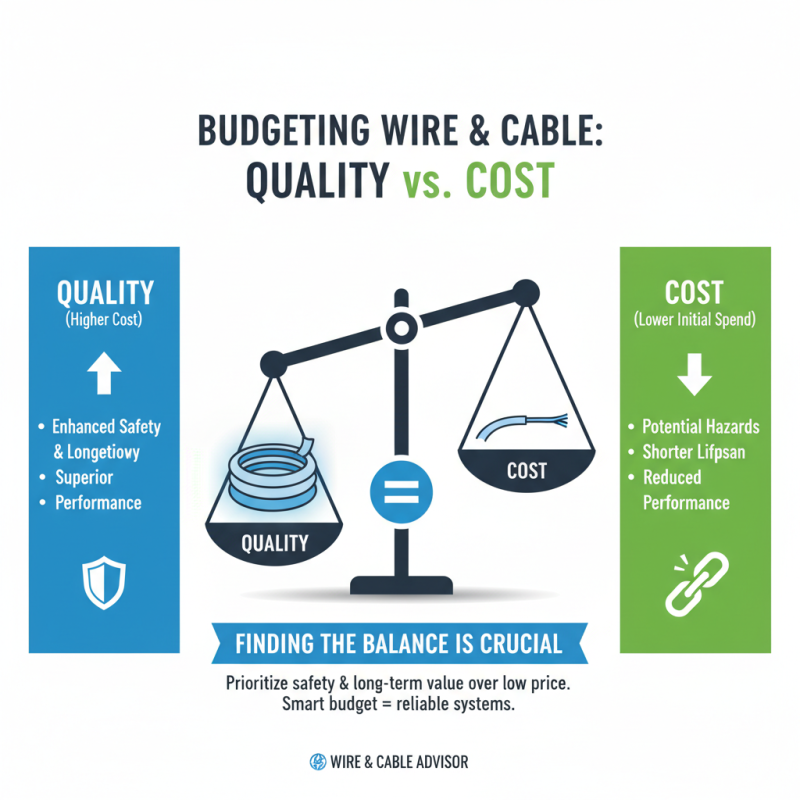
When selecting wire and cable, budgeting plays a crucial role. Quality materials often come with a higher price tag. Cutting corners on wiring can lead to safety hazards or decreased performance. It’s essential to strike a balance between cost and quality.
Consider the specific requirements of your project. Determine the necessary voltage, current capacity, and environmental factors. This assessment will guide your selection and budget. In many cases, investing in high-quality wire can save money in the long run by reducing maintenance costs. Cheaper options may seem appealing initially but can require frequent replacements.
You might find yourself tempted by low-cost solutions. However, remember that subpar materials may not meet safety standards. Prioritize certified products that ensure reliability. Balancing cost with quality is not always straightforward. Reflect on how much you’re willing to risk for potential savings. Ultimately, an informed decision will protect your interests and deliver better results.