Top 10 Best Combination Sweeper Scrubber Machines for Buyers
Choosing a Combination Sweeper Scrubber means balancing dry debris pickup and wet cleaning with the realities of your facility. One machine may suit a compact showroom, while another needs wider cleaning paths and a larger recovery tank for a busy warehouse. Consider concrete floors, tight turns, loading areas, and the space available for charging and storage. Small details matter.
This guide to the top 10 machines compares practical features buyers can verify, including cleaning width, tank capacity, battery options, controls, and maintenance access. A machine that looks powerful on paper may still be awkward around shelving or difficult to empty at the end of a shift. Check manufacturer specifications, warranty terms, and service support, then ask for a demonstration on a representative floor when possible.
There is no single best choice for every site. Debris levels, floor finish, operator experience, and daily cleaning time all affect performance. Even a well-matched unit can disappoint if its brushes, squeegees, or filters are not maintained. This comparison is a starting point, not a substitute for checking your own needs. Use it to narrow the options and identify the questions worth asking before you buy.
Understanding Combination Sweeper-Scrubber Machines
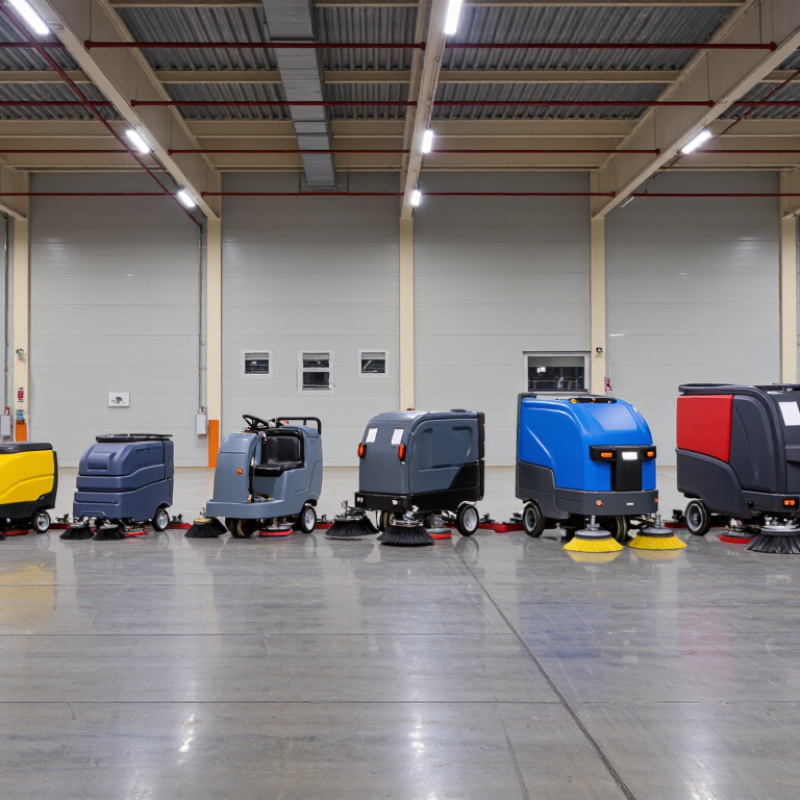
A combination sweeper-scrubber machine removes loose debris and washes the floor in one working pass. Its sweeping components collect grit, paper scraps, and dust before the scrub brushes work on stuck-on soil. A vacuum system then draws dirty water into a recovery tank. The exact sequence varies by design. This can save time in busy warehouses, retail spaces, and production areas. It is not magic, though.
The right machine depends on the floor, debris, and cleaning schedule. Fine dust may need effective filtration, while oily marks can require a suitable detergent and slower travel speed. Check the cleaning path width against aisle space, and consider tank capacity, runtime, turning radius, and how easily brushes and filters can be reached. A machine that looks efficient on a wide showroom floor may feel awkward around shelving. I would test it in the actual work area when possible.
Tips: Sweep up bulky debris before cleaning. Match brush type and solution to the floor material, and follow the equipment instructions. After use, empty and rinse the recovery tank; a small amount of leftover dirty water can cause odors. Keep a simple log of cleaning results, since the first settings may not be quite right.
Key Features Buyers Should Compare
Compare the cleaning path with the machine’s actual footprint. A wide deck can cover more floor per pass, but it may struggle around shelving, doorways, and tight corners. Check the sweeper hopper and solution and recovery tanks separately; their capacities affect how often operators stop to empty or refill. Brush pressure and adjustment options matter when moving between smooth concrete and textured floors. Fine dust can escape if filtration is weak, so ask how the system contains dry debris during sweeping. Small details matter. Test the controls and turning radius in a space similar to your site.
Battery runtime should match a realistic shift, including stops, turns, and heavier soil—not just ideal conditions. Ask how long charging takes and whether the battery is easy to access for routine checks. Look for clear sightlines to the floor, simple controls, and accessible brushes, filters, and squeegee blades. These features can reduce training and service delays. Noise level may also matter in occupied buildings. A specification sheet can make comparisons look straightforward, but cleaning results depend on floor condition, operator habits, and maintenance. That trade-off is easy to overlook. Request a demonstration on representative debris and flooring, then note whether the machine leaves visible water, missed edges, or dust behind.
Top 10 Combination Sweeper-Scrubber Machines
A useful Top 10 comparison of combination sweeper-scrubber machines should focus on what happens during a real cleaning shift. These machines collect loose debris and scrub floors in one pass, reducing separate steps in suitable spaces. Compare cleaning width, recovery-tank capacity, turning radius, noise, and battery runtime. A wide machine may cover more floor, but it can struggle between narrow shelving or around crowded checkout lanes. Check how easily operators can empty debris and clean brushes; small maintenance tasks become frustrating when repeated daily.
Grand View Research’s Floor Cleaning Machines Market report estimated the global market at USD 5.6 billion in 2022 and projected an 8.6% compound annual growth rate from 2023 to 2030. This signals continued investment, not proof that every machine suits every site. For a fair shortlist, compare verified coverage rates and runtime under similar conditions. Ask suppliers how their figures were measured, and test a machine on your actual floor type. A damp concrete aisle behaves differently from polished tile.
Tips: Measure your tightest aisle before choosing a model. Run a practical trial with realistic debris, water levels, and turns. Record the cleaned area, drying time, and operator effort. The test may reveal an awkward fit. That matters. Check whether routine service and parts are accessible, and leave some budget for batteries and brushes. A perfect specification sheet can still disappoint on a busy shift.
Top 10 Combination Sweeper-Scrubber Machine Buying Priorities
A practical comparison of factors to consider when choosing a machine for commercial floor cleaning.
Ratings use an illustrative 1–5 buyer-priority scale, not measured machine specifications. Actual suitability and performance depend on the model, floor conditions, and cleaning requirements.
Comparing Models by Facility and Cleaning Needs
Choosing among the top ten combination sweeper-scrubber machines starts with the building, not the ranking. A warehouse with dusty concrete needs strong dry-debris pickup and wide cleaning coverage. A grocery aisle may need a smaller turning radius and quieter operation. Space matters. Measure doorways, lift access, and storage bays before comparing machine dimensions.
For tight clinics or retail aisles, a compact walk-behind model can be easier to steer around displays and chair legs. Larger warehouses may benefit from a ride-on machine with bigger solution and recovery tanks, which can reduce refill stops across long floor runs. Noise matters too. Check runtime against a normal shift, and consider how quickly the machine can be charged or refilled between tasks. A high-capacity unit is not automatically better if staff cannot maneuver it safely.
Floor conditions should guide the shortlist. Fine dust, leaves, and scattered packaging place different demands on the sweeping system, while greasy marks may call for suitable brushes and adjustable water flow. Ask for a demonstration on the actual floor. Watch for streaks near edges, leftover grit after a turn, and water that takes too long to recover. A tidy comparison chart can still miss awkward controls or poor visibility; those details are easy to overlook until daily use.
Choosing and Maintaining the Right Machine
Choosing a combination sweeper scrubber starts with the floor, the debris, and the daily workload. Fine dust, grit, and sticky spills place different demands on brushes and squeegees. Measure the narrowest aisle and doorway before comparing machine size. Turning space matters. Check the tank capacity against the area cleaned between breaks, not just the advertised runtime. A larger unit may cover more ground, but it can be awkward around shelving or crowded corners. If possible, test a machine on the actual floor. Watch for streaks, missed edges, and debris left behind. A showroom pass can look convincing; a dusty warehouse aisle is less forgiving.
Maintenance keeps cleaning results consistent and helps catch small problems early. At the end of each shift, empty and rinse the recovery tank, then check the squeegee for grit or curled edges. Rinse filters as directed, and remove hair or fibers wrapped around the brush. Small tasks. Still, they are easy to skip when a shift runs late. Inspect batteries, cables, and wheels on a regular schedule, following the operator manual for charging and service intervals. Keep a simple log of unusual noise, reduced pickup, or streaking. These notes are imperfect, but they can help a technician spot a developing issue before it interrupts a cleaning schedule.