A partner you can trust
Choosing among China’s top XLPE insulated power cable manufacturers requires more than comparing prices. It demands attention to design capability, production discipline, and verifiable field experience. This guide introduces manufacturers that serve industrial plants, renewable energy projects, substations, and commercial infrastructure. It focuses on how they produce and test xlpe insulated power cable for different voltage levels and operating conditions.
A reliable supplier should explain its conductor materials, insulation thickness, screening structure, and sheath options clearly. Copper and aluminum conductors perform differently under load. XLPE insulation must withstand heat, moisture, electrical stress, and mechanical handling. Ask for routine test reports, type-test evidence, factory certifications, and traceable batch records. Independent laboratory results can provide stronger assurance than polished brochures. Factory visits may also reveal cable extrusion lines, clean storage areas, and testing equipment in daily use.
Details matter.
This outline also considers compliance with relevant IEC or GB standards, delivery performance, customization ability, and after-sales support. Experienced manufacturers can recommend suitable cable constructions instead of forcing one standard product into every project. However, rankings are never permanent. Product quality may vary between factories, production batches, and subcontracted components. A careful buyer should verify current certifications, sample performance, and project references before signing a contract. That step is easy to overlook. It should not be. The following sections compare key Chinese manufacturers through practical criteria, helping readers separate documented capability from attractive marketing language.
What Is XLPE Insulated Power Cable?
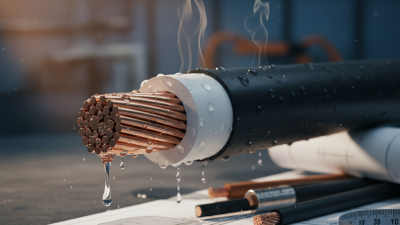
XLPE insulated power cable uses cross-linked polyethylene around a copper or aluminium conductor. The insulation is chemically or physically cross-linked, creating a stable thermoset material. Unlike ordinary polyethylene, it keeps its shape under higher operating temperatures. This makes it suitable for power distribution, industrial facilities, underground routes, and utility networks. A typical cable may include a conductor, XLPE insulation, metallic screen, filler, inner sheath, armour, and outer jacket. Each layer has a practical purpose. The screen controls electric stress, while the jacket helps resist moisture, abrasion, and soil conditions.
In field applications, XLPE cables are valued for low dielectric loss and strong insulation performance. Their normal conductor temperature is commonly rated near 90°C, depending on the design and applicable standard. Short-circuit ratings can be much higher for limited periods. However, XLPE is not a guarantee of long service life. Poor jointing, excessive pulling tension, sharp bends, or water entering damaged layers can still cause failure. This is where manufacturer quality and installation discipline matter. Some specifications look convincing, yet the construction details deserve closer review.
Tips: Check voltage class, conductor material, insulation thickness, screen design, and fire requirements before purchasing. Confirm test reports from an accredited laboratory. Inspect cable drums for crushed edges or moisture damage. During installation, follow the stated bending radius and pulling limits. A small shortcut may become an expensive fault later.
XLPE power cable uses cross-linked polyethylene as its insulation material. Compared with common PVC insulation, XLPE typically supports a higher continuous conductor temperature, allowing improved thermal performance when cable design and installation conditions are suitable.
The chart compares commonly specified continuous conductor temperature ratings for power-cable insulation materials. XLPE is commonly rated at 90°C under normal operating conditions, while PVC is commonly rated at 70°C. Actual ampacity depends on conductor size, voltage level, installation method, ambient temperature, grouping, and the applicable standard.
XLPE insulated power cables are judged by more than conductor size. Their performance depends on insulation quality, screen design, sheath protection, and manufacturing consistency. Cross-linked polyethylene offers strong thermal stability and low dielectric losses. Typical operating temperatures reach 90°C continuously, with emergency operation often reaching 130°C. Short-circuit temperatures can approach 250°C, subject to the applicable design standard.
For medium-voltage projects, IEC 60502-1 defines important requirements for construction, testing, and rated voltage performance. Higher-voltage systems follow IEC 60840 or IEC 62067, depending on the voltage range. These standards require electrical tests, including partial discharge, voltage withstand, and insulation resistance checks. Factory records matter. A clean test result is more valuable than a polished brochure.
Cable manufacturers in China increasingly support large grid and renewable-energy projects. The International Energy Agency reported that annual global grid investment must rise above USD 600 billion by 2030 to meet energy-transition needs, nearly twice recent levels. This pressure makes dependable cable sourcing critical. Buyers should examine conductor resistance, eccentricity, ageing tests, water-tree resistance, and sheath integrity. Installation conditions also matter, especially soil temperature and thermal resistivity. We sometimes underestimate them. That can distort ampacity calculations and create avoidable overheating. Independent laboratory verification and traceable batch data provide stronger evidence of reliability than price comparisons alone.
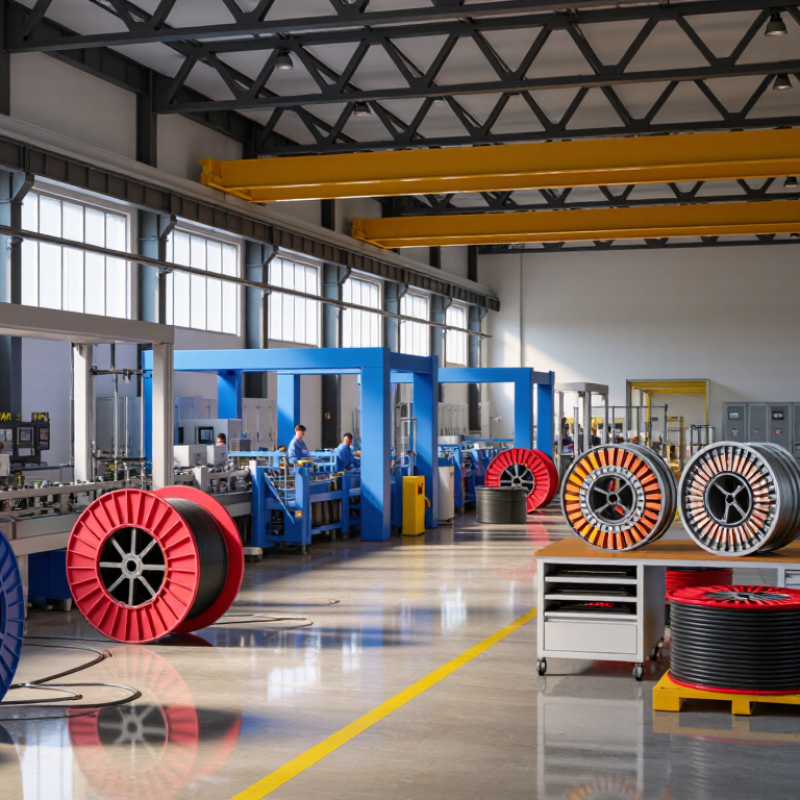
China’s major XLPE power cable manufacturers serve utility, renewable energy, rail, and industrial projects. The IEA Electricity 2024 report projects global electricity demand will grow by about 4% annually through 2026. This pressure increases demand for reliable medium- and high-voltage systems. Leading factories often combine conductor drawing, insulation extrusion, testing, and drum logistics. XLPE offers low dielectric loss and strong thermal performance. Factory size alone proves little.
Serious buyers should examine IEC 60502-1, IEC 60840, and IEC 62067 compliance. These standards cover different voltage levels and cable applications. Ask for partial-discharge records, thermal-aging results, routine-test reports, and traceable material certificates. Independent laboratory testing adds confidence for long renewable-grid routes. In my experience, clear drawings and responsive engineering matter as much as price. A polished catalogue can hide weak after-sales support. That uncomfortable point deserves attention.
Tips: Compare factories by voltage range, conductor materials, test capacity, and delivery records. Request sample inspection before approving production. Check whether engineers can explain jointing, bending radius, and installation limits clearly. Do not treat a low quotation as a technical advantage. It may reflect missing tests or narrower warranty terms.
How to Evaluate Chinese XLPE Cable Manufacturers
Choosing an XLPE cable manufacturer requires more than comparing quotations. Examine its production experience, engineering team, and completed project records. Ask for evidence from similar voltage levels and installation environments. A reliable supplier should explain conductor materials, insulation thickness, shielding, and sheath options clearly. Avoid vague answers.
Visit the factory when possible. Observe copper or aluminum storage, extrusion lines, cleanliness, and batch labeling. Request test reports for conductor resistance, insulation thickness, partial discharge, voltage withstand, and thermal ageing. Reports should identify the cable size, test date, equipment, and responsible laboratory. Traceability matters. Every drum should link to production records and inspection results.
Check whether the manufacturer follows recognized standards and can provide suitable certificates for your destination market. Review quality-control procedures, calibration records, packaging methods, and delivery planning. Speak with previous customers, but verify their experience independently. A professional supplier will discuss limitations instead of promising everything. That is reassuring.
Do not judge quality from polished samples alone. I once focused too heavily on appearance and overlooked unclear testing responsibilities. That mistake can become expensive during installation. Clarify warranty terms, technical support, replacement procedures, and documentation before signing. Ask how the cable performs in high humidity, buried routes, or demanding load cycles. Good evaluation takes patience, practical questions, and a willingness to challenge attractive claims.
| No. | Evaluation Dimension | What to Verify | Relevant Technical Reference or Benchmark | Recommended Evidence and Review Method |
|---|---|---|---|---|
| 1 | Applicable Product Standard | Confirm that the cable design, materials, tests, and marking are aligned with the destination-market requirements. |
IEC 60502-1
For power cables rated up to and including 1 kV and 3 kV. IEC 60502-2 For medium-voltage cables above 1 kV up to and including 30 kV. GB/T 12706 Chinese standard series for extruded-insulation power cables. |
Request the product datasheet, construction drawing, standard edition, and a written statement identifying any deviations from the requested standard. |
| 2 | Rated Voltage and Cable Design | Check conductor size, number of cores, insulation thickness, screen construction, metallic sheath, armour, and outer-sheath material against the project specification. | Common XLPE cable voltage designations include U0/U such as 0.6/1 kV, 1.8/3 kV, 6/10 kV, 8.7/15 kV, and 12/20 kV. The exact rating must match the system earthing and operating conditions. | Compare the approved bill of materials with the cross-sectional drawing. Verify conductor resistance, insulation dimensions, screen area, and overall diameter in the inspection plan. |
| 3 | Conductor Compliance | Verify conductor material, compacting process, stranding class, diameter, resistance, and surface condition. | IEC 60228 Defines conductor classes and maximum conductor resistance values for common cable conductors. Class 1 and Class 2 are widely used for fixed-installation power cables. | Review conductor material certificates, stranding records, dimensional inspection results, and routine conductor-resistance test reports. |
| 4 | XLPE Insulation Performance | Assess insulation compound type, cleanliness, extrusion process, eccentricity, curing quality, and resistance to thermal ageing. | XLPE power-cable conductors commonly have a maximum continuous operating temperature of 90°C. A commonly specified short-circuit conductor temperature limit is 250°C for a short duration, subject to the applicable standard and cable design. | Request compound technical data, batch traceability, extrusion-process controls, insulation-thickness measurements, and type-test evidence for thermal ageing and mechanical properties. |
| 5 | Electrical Testing Capability | Confirm that the manufacturer can perform or arrange routine, sample, and type tests appropriate to the voltage class. | Typical tests include conductor-resistance testing, voltage testing, insulation-resistance testing where applicable, dimensional checks, and partial-discharge testing for relevant medium- and high-voltage designs. | Ask for a test-equipment list, calibration certificates, sample test reports, and the manufacturer’s quality-control plan showing test frequency and acceptance criteria. |
| 6 | Type-Test Documentation | Ensure that type-test reports match the proposed cable construction, voltage rating, conductor size, insulation system, screen, armour, and sheath. | For higher-voltage cable systems, applicable references may include IEC 60840 for cables above 30 kV up to and including 150 kV, and IEC 62067 for cables above 150 kV up to and including 500 kV. | Check the laboratory name, report date, tested configuration, specimen identification, standard edition, test conditions, results, and approval signatures. Do not accept a report for a materially different design without technical justification. |
| 7 | Sheath, Armour, and Environmental Protection | Evaluate resistance to moisture, sunlight, chemicals, impact, rodents, fire, and mechanical loads according to the installation environment. | Common sheath materials include PVC, PE, and low-smoke zero-halogen compounds. The correct selection depends on fire performance, oil or chemical exposure, UV exposure, burial conditions, and local regulations. | Review sheath-material specifications, flame or fire-performance test reports where required, armour details, corrosion protection, and installation-environment compatibility statement. |
| 8 | Manufacturing Quality System | Assess process control for conductor production, insulation extrusion, screening, cabling, sheathing, marking, packing, and final inspection. | ISO 9001 Certification can support quality-system evaluation, but it does not replace product testing or factory auditing. | Verify the certificate scope and validity. Review nonconformance procedures, corrective-action records, incoming-material inspection, production traceability, and final-release controls. |
| 9 | Material Traceability | Confirm traceability from conductor and insulation compounds to the finished cable drum. | A robust system should link raw-material batch numbers, production dates, extrusion lines, operator or shift records, test results, drum numbers, and shipping documents. | Request a sample traceability package for one completed drum. The manufacturer should be able to retrieve the relevant material certificates and test records without relying only on manual memory. |
| 10 | Factory and Laboratory Verification | Determine whether production capacity and testing resources are suitable for the required cable size, voltage class, order quantity, and delivery schedule. | High priority for medium- and high-voltage projects, long cable lengths, submarine or special-environment applications, and critical infrastructure. | Conduct a remote or on-site audit covering production lines, clean extrusion areas, test laboratories, calibration control, finished-goods storage, and drum handling. |
| 11 | Inspection and Acceptance Plan | Define inspection stages, sampling frequency, witness points, hold points, acceptance criteria, and documentation requirements before production begins. | Inspection requirements should be based on the applicable product standard, project specification, approved drawings, and purchase contract rather than on a generic certificate alone. | Use an agreed inspection and test plan covering raw materials, in-process dimensions, routine tests, final visual inspection, drum length, marking, packing, and release documentation. |
| 12 | Packaging, Marking, and Shipment Protection | Check drum strength, cable-end sealing, moisture protection, lifting points, rotation direction, length marking, and shipping documentation. | Cable drums should be suitable for the cable weight and transport method. Cable ends should be sealed to prevent moisture ingress, and the drum should display clear identification and handling information. | Approve the drum drawing and packing specification. Review photographs before shipment and verify drum number, cable type, length, gross weight, destination, and test-document references. |
| 13 | Technical Support and Installation Data | Evaluate the availability of ampacity data, short-circuit calculations, bending radius, pulling tension, installation temperature limits, jointing requirements, and termination guidance. | Installation values must be calculated for the actual conductor size, installation arrangement, ambient conditions, soil thermal resistivity, grouping, and metallic-screen bonding method. | Request a complete technical submittal rather than only a commercial quotation. Confirm that the supplier can answer engineering questions during installation and commissioning. |
| 14 | Commercial and After-Sales Risk | Review quotation clarity, warranty terms, spare-length policy, claims handling, replacement obligations, and communication procedures. | Commercial price should be evaluated together with compliance, test coverage, material quality, delivery risk, and the cost of failure or replacement. | Use a comparison matrix with weighted scores for technical compliance, quality evidence, production capability, documentation, delivery reliability, and after-sales response. |
China’s XLPE insulated power cables serve expanding grids, renewable plants, rail systems, and industrial parks. XLPE withstands heat, moisture, and electrical stress better than many older insulation systems. Medium-voltage cables connect solar inverters to substations. High-voltage designs carry power across urban and rural networks. The installation details matter. Soil temperature, bending radius, joint quality, and water exposure can change service life.
The International Energy Agency reported that China represented nearly 60% of global renewable capacity additions in 2023. This growth supports demand for collector cables, grid connections, and high-voltage transmission projects. Offshore wind also requires stronger insulation and reliable water-blocking layers. The Global Wind Energy Council’s Global Wind Report 2024 recorded more than 117 GW of new wind capacity worldwide in 2023. Chinese cable suppliers increasingly support these projects through exports to Southeast Asia, the Middle East, Africa, Latin America, and selected European markets.
Export buyers usually check IEC 60502, IEC 60840, or IEC 62067 compliance, depending on voltage level. Independent type-test certificates provide stronger evidence than catalog claims. Factory audits should review conductor resistance, partial discharge results, and batch traceability. Real projects can expose weaknesses. A cable may pass laboratory testing but fail after poor joint installation or rough transport. That gap matters. Buyers should also verify local fire rules, climate conditions, delivery records, and after-sales technical support before selecting a Chinese manufacturer.
This content is restricted to site members. If you are an existing user, please log in. New users may register … LEARN MORE “Lighting Power & Control-Signal Cable”
We are here to help. You can contact us or create an account online to have access to special products, technical specifications and our new online quote tool.
ELECTRO CABLES
9 Riverside Drive
P.O. Box 276
Trenton, Ontario
CANADA K8V 5R5
N.A. Toll Free: 888-ELECTRO
(1-888-353-2876)
World: 613-394-4896
Fax: 613-394-4101
Email: sale@machinecables.com
We manufacture cables that are certified by the Canadian Standards Association (CSA), listed by Underwriters Laboratories and/or listed by Intertek (ETL).
Our quality management system is registered to ISO 9001: 2015. Our team is dedicated to consistently providing quality service and products to our customers.
© 2025 ELECTRO CABLES • SITE BY SNAP 360•