
Top 10 Wire and Cable Manufacturers in China
China is a major source of wire and cable for power, construction, transportation, telecommunications, and industrial projects. Its manufacturers range from large, diversified producers to specialists focused on particular materials or applications. That variety can make supplier selection difficult. A polished website alone tells buyers little about conductor consistency, insulation performance, testing practices, or delivery reliability.
This overview of the Top 10 Wire and Cable Manufacturers in China introduces companies worth researching and explains what to compare. It considers product range, manufacturing capability, quality controls, export experience, customization, and customer support. Details such as copper or aluminum conductor options, insulation types, voltage ratings, and available test reports can help narrow a shortlist. Small specifications matter.
A ranking is only a starting point. Company capabilities and product lines change, and a supplier suited to a building project may not suit a high-voltage or industrial application. Buyers should confirm current certifications, technical documents, production capacity, and sample performance directly with each manufacturer. I cannot assume every listed company has been independently audited. That caveat matters. Use the comparison to guide questions, then match verified evidence to your project’s requirements, budget, and delivery schedule.
China’s Wire and Cable Manufacturing Industry
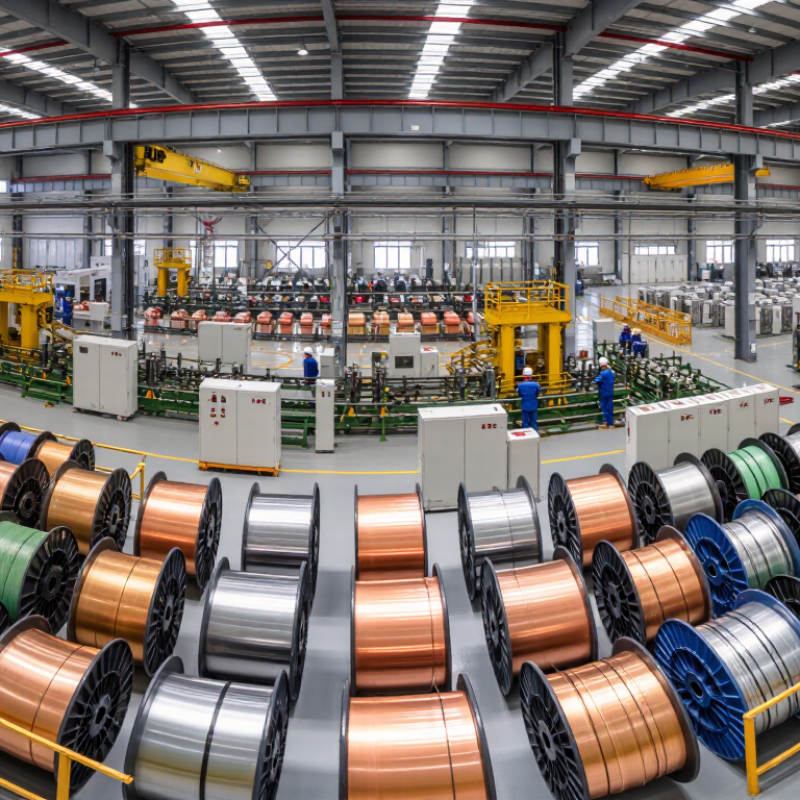
China’s Wire and Cable Manufacturing Industry
China’s wire and cable sector supports power grids, construction, transport, and industrial equipment. The National Bureau of Statistics reported about 60.9 million kilometers of insulated wire and cable output in 2023. This figure shows the industry’s scale, but not the full picture. Product types differ, and output length alone cannot indicate reliability or technical performance.
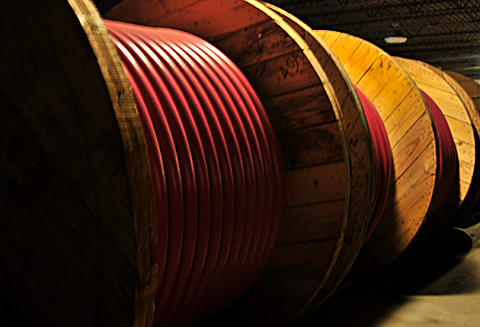
Demand is shaped by grid upgrades and rising electricity use. The International Energy Agency’s Electricity 2024 report said China’s electricity demand grew 6.7% in 2023. That growth strengthens demand for transmission and distribution cables, including high-voltage lines and underground systems. In factory terms, production depends on more than drawing copper or aluminum wire. Insulation consistency, conductor purity, and careful testing matter. A tiny defect can become costly after installation. Scale matters. Manufacturers also face pressure to improve efficiency and manage volatile raw-material costs. Public production data does not reveal these differences, so buyers should compare specifications, testing records, and application experience rather than relying on volume alone.
Top 10 Wire and Cable Manufacturers in China - China’s Wire and Cable Manufacturing Industry
An overview of ten major wire and cable product segments manufactured in China. Company names and company-specific rankings are intentionally omitted.
| No. | Product Segment | Typical Rating or Specification | Common Construction | Main Applications | Key Selection Consideration |
|---|---|---|---|---|---|
| 1 | Building Wire | Common ratings include 300/500 V and 450/750 V, depending on cable type. | Usually copper or aluminum conductors with PVC or other polymer insulation. | Fixed wiring in residential, commercial, and public buildings. | Conductor size, installation method, temperature rating, and applicable building requirements. |
| 2 | Low-Voltage Power Cable | Common distribution rating: 0.6/1 kV. | Copper or aluminum conductors with PVC or XLPE insulation; sheathed designs are widely used. | Power distribution in buildings, industrial sites, and infrastructure projects. | Current capacity, voltage drop, short-circuit performance, and indoor or outdoor installation conditions. |
| 3 | Medium-Voltage Power Cable | Common system classes include 6–35 kV; the exact rating depends on the network. | Typically uses XLPE insulation with semiconductive layers, metallic screening, and an outer sheath. | Utility distribution networks, substations, factories, and urban infrastructure. | System voltage, insulation coordination, laying conditions, and required screening or water-blocking features. |
| 4 | High-Voltage and Extra-High-Voltage Cable | Generally used in systems of 110 kV and above; designs are voltage-class specific. | Engineered XLPE-insulated cable systems with metallic screens and purpose-designed accessories. | Major transmission links, urban grid connections, and large substations. | Cable accessories, installation design, thermal conditions, and the network’s required voltage class. |
| 5 | Overhead Line Conductor | Voltage rating is determined by the transmission or distribution system and line design. | Common forms include stranded aluminum conductors and aluminum conductor steel-reinforced designs. | Overhead power transmission and distribution lines. | Ampacity, tensile strength, span length, weather exposure, and corrosion conditions. |
| 6 | Control Cable | Many common designs are rated at 450/750 V; specifications vary by application. | Multiple copper cores, often with PVC or XLPE insulation; screened versions are available. | Control, monitoring, and signal circuits in industrial equipment and facilities. | Core count, shielding, electromagnetic interference, flexibility, and environmental exposure. |
| 7 | Mining Cable | Voltage ratings vary substantially by cable type and mining equipment. | Often designed with flexible conductors and robust insulation or sheathing for demanding service. | Power supply to mining machinery and electrical systems in mining operations. | Mechanical abuse, flexibility, flame performance, moisture, and the equipment’s required rating. |
| 8 | Railway Rolling-Stock Cable | Ratings and cable types are specified for the vehicle’s electrical systems. | Typically uses flexible conductors and insulation or sheathing selected for vibration and space constraints. | Train wiring, onboard power circuits, and railway vehicle control systems. | Vibration resistance, temperature range, smoke and flame requirements, and vehicle specifications. |
| 9 | Photovoltaic Cable | Some product designs are rated for photovoltaic DC systems up to 1.5 kV DC; confirm the product and system requirements. | Usually copper conductor with insulation and sheathing designed for outdoor service. | Connections between PV modules, strings, and associated system equipment. | UV exposure, temperature range, outdoor durability, DC voltage, and connector compatibility. |
| 10 | Optical Fiber Cable | Specified by fiber type, fiber count, and optical performance; it has no electrical voltage rating for signal transmission. | Glass optical fibers with protective coatings and cable structures suited to the installation environment. | Telecommunications, broadband access, data networks, and communications infrastructure. | Fiber type, attenuation, bend performance, fiber count, and indoor or outdoor installation method. |
Note: The specifications shown are typical examples, not universal limits. Actual ratings and construction depend on the applicable product standard, project design, and installation conditions.
Related Posts
-
How to Choose the Right Wire and Cable Supplier?
-
Exploring the Future of Wire and Cable Technology Innovations in Connectivity
-
2026 Best Wire and Cable Types for Home and Industry Needs?
-
Top 10 Wire Cable Manufacturers in China You Should Know?
-
How to Choose the Best Micro Coaxial Cable for Your Needs?
-
How to Choose the Right Power Extension Cable for Your Needs?
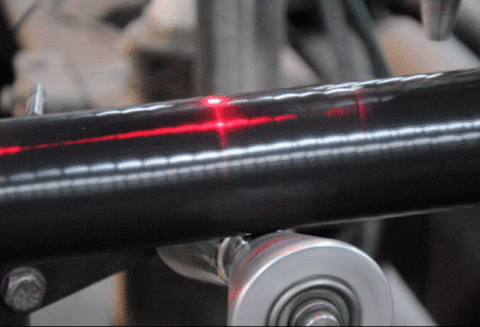
Our quality management system is registered to ISO 9001: 2015. Our team is dedicated to consistently providing quality service and products to our customers.