What Are the Top Hose Clamp Types in 2026?
In 2026, choosing a Hose Clamp is less about picking the strongest-looking band and more about matching the clamp to the job. A smooth stainless-steel band may suit a coolant line, while a T-bolt design can provide more even compression on a larger, demanding connection. Small details matter. A sharp band edge can mark soft hose; a misplaced screw can make tightening awkward in a cramped engine bay.
“Hose Clamp performance depends on the fit, not just the force,” says application engineer Daniel Reed. The line captures a practical point, though no single clamp works for every hose, pressure, or environment. Selection should account for hose material, outside diameter, vibration, temperature, corrosion exposure, and access for installation. Check the manufacturer’s specifications, too. A clamp that feels tight may still distort the hose or leak after the system warms and cools.
This guide compares common types, including worm-drive, T-bolt, spring, ear, and wire clamps. It explains where each design can make sense and what to inspect before installation. Look closely at the band, housing, and screw. Then consider how the assembly will behave after months of vibration, moisture, or repeated temperature changes. One honest limitation: product labels alone rarely tell the whole story. Real fit and service conditions matter.
How Are Hose Clamps Designed to Secure Hoses?
What Are the Top Hose Clamp Types in 2026?
How Are Hose Clamps Designed to Secure Hoses?
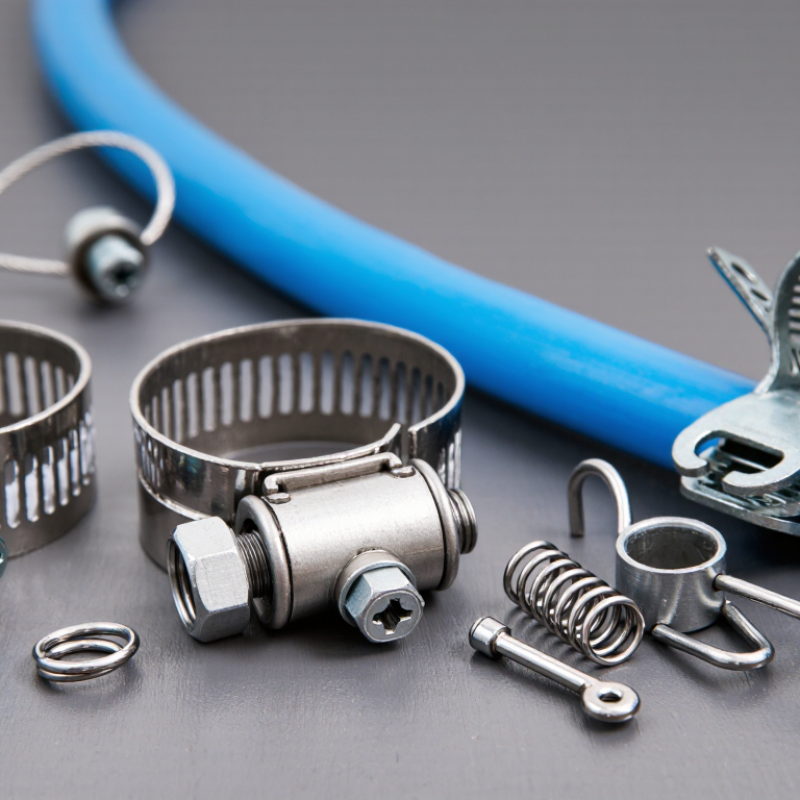
A hose clamp applies pressure around a hose where it fits over a connector. Its band compresses the hose wall, helping close small gaps that could allow fluid or air to escape. Screw-driven clamps tighten through a threaded band, while spring clamps adjust as the hose expands or contracts with temperature. Other designs use a crimped ear or a quick-release mechanism. Each relies on even contact, not simply maximum tightness.
Tips: Match the clamp to the hose diameter, material, temperature range, and working pressure. Position it behind the fitting’s raised bead, if present. Tighten gradually, and check that the band sits flat without cutting into the hose. A clamp that feels secure by hand may still leak under pressure, so inspect the joint during a safe operating check.
Design details matter. A smooth inner band helps reduce hose damage, while a suitable width spreads force across more surface. Too much tightening can deform a soft hose or weaken its seal; too little can let it slip. I’d also recheck older assemblies after temperature changes, since rubber can settle over time. Even a neat installation can need adjustment.
Which Features Distinguish the Main Clamp Types?
Worm-drive clamps use a slotted metal band and screw housing to tighten around a hose. They are adjustable and easy to remove, making them practical for routine service. But the slots can press into soft hose material if overtightened. A screwdriver can apply more force than expected.
Spring clamps rely on spring tension rather than a screw. Their rounded edges and steady pressure can suit hoses that expand and contract with temperature. They are quick to fit. Yet removing one may require pliers, and access can be awkward in a crowded engine bay. Check that its size matches the hose’s working range, not just its relaxed diameter.
T-bolt clamps have a wider band and a bolt-and-nut closure, helping distribute pressure on larger or higher-pressure connections. Ear clamps are compact, secured by pinching a small metal tab, and typically less convenient to reuse. Wire clamps can fit narrow spaces, though their contact area is limited.
No type is best everywhere. In practice, a tidy-looking fit can still leak if the clamp sits on a hose bead or uneven surface. Match the clamp to hose material, pressure, temperature, and available tool access; then tighten it evenly and inspect for bulging.
What Are the Top Hose Clamp Types in 2026?
Hose clamp choice in 2026 still depends on the hose, operating conditions, and access for maintenance. Worm-drive clamps are adjustable and widely used on low- to moderate-pressure connections. Their slotted bands make sizing simple, but overtightening can cut soft hose. Check that the band sits evenly behind the hose bead.
Spring clamps suit applications with temperature changes. Their spring action can maintain pressure as a hose expands or contracts. They are common on smaller fluid lines, though removing them in a tight engine bay can be awkward. T-bolt clamps provide stronger, more even clamping for larger hoses and higher vibration. They are bulkier, so allow room around the connection. Small detail, big difference.
For one-time assembly, ear clamps create a compact, low-profile fit when installed with the correct tool. They are less convenient if frequent removal is expected. Constant-tension clamps are another option where temperature cycling may loosen a fixed clamp. Before choosing, compare hose material, outside diameter, fluid, heat, and pressure ratings. Inspect the hose after tightening; a deep band mark or bulge may signal excessive force. Specs do not tell the whole story, either. A clamp that fits a catalog range can still perform poorly on a worn or unusually soft hose, so verify the actual assembly under service conditions.
What Are the Top Hose Clamp Types in 2026?
| Clamp type | How it works | Common applications | Typical materials | Key advantages and considerations |
| Worm-drive (screw) clamp | A screw engages slots or perforations in a band, tightening it around the hose. | General-purpose plumbing, automotive, and workshop connections. | Commonly stainless steel; some versions use plated steel or mixed-metal components. | Adjustable and reusable. Select the correct size and tighten to the hose or equipment maker’s guidance; excessive tightening can damage a hose. |
| Constant-tension spring clamp | A spring-steel band applies continuing radial force as the hose expands and contracts. | Automotive and equipment cooling systems subject to temperature changes. | Usually spring steel, sometimes with a corrosion-resistant coating. | Can maintain contact through thermal cycling. Requires compatible hose dimensions and suitable access for installation or removal. |
| T-bolt clamp | A bolt and nut draw a wide band together, typically using a bridge over the closure. | Larger-diameter hoses, heavy-duty vehicle systems, and industrial ducting. | Often stainless steel, with the bolt and band material depending on the specified version. | Provides a strong, broad grip when correctly matched to the joint. Check the specified size, tightening torque, and service conditions. |
| Ear (crimp) clamp | One or more raised ears are compressed with a dedicated tool to reduce the band diameter. | Compact production assemblies and small fluid or air hoses. | Commonly stainless or coated steel. | Compact and low-profile. Generally intended for one-time installation; removal usually requires cutting and replacement. |
| Wire clamp | A formed wire loop tightens around the hose, usually using a screw or bolt closure. | Some agricultural, industrial, and large or reinforced hose connections. | Typically steel or stainless steel wire. | Can suit particular hose profiles and applications. Its line contact may not be appropriate for every hose; follow the hose and clamp specifications. |
| Pinch (spring-band) clamp | Spring-loaded tabs are squeezed to open the band and released to clamp the hose. | Factory-fitted small hoses in automotive and appliance assemblies. | Usually spring steel with a protective finish. | Quick to install with suitable pliers and has a compact profile. Confirm its size and spring characteristics are suitable for the connection. |
Selection note: The appropriate clamp depends on hose material and outside diameter, fitting design, operating temperature, fluid, vibration, and pressure. Use the clamp and tightening instructions specified for the assembly.
How Do Clamp Types Compare in Strength and Adjustability?
Hose clamp strength depends on more than the clamp itself. Hose material, fitting shape, and installation torque all affect the seal. Worm-drive clamps are widely adjustable: a slotted screw lets you fit different hose diameters and retighten after inspection. Their band pressure can be uneven if the clamp is overtightened or sits at an angle. Easy to adjust. Not foolproof.
T-bolt clamps generally provide stronger, more consistent clamping for larger or reinforced hoses. Their broad band and bolted closure resist loosening under vibration, but they offer less fine adjustment than a worm-drive clamp. Spring clamps apply steady pressure as a hose expands and contracts with temperature changes. They are quick to install, though removal can be awkward in tight spaces. Ear clamps create a compact, low-profile connection, but changing their tension usually requires replacing the clamp.
The comparison is not perfectly neat: a properly sized spring clamp may seal better than a poorly fitted T-bolt clamp. Match the clamp to the hose diameter, operating temperature, and manufacturer’s pressure guidance. Place it behind the fitting’s raised bead, then check that the hose is not pinched or bulging. Small details matter. Recheck after the first heat cycle or operating run, especially if the hose softens or shifts.
Which Hose Clamp Type Fits Each Application?
Choosing a hose clamp starts with the hose material, fluid, temperature, and movement in the line. A clamp that works on a garden hose may not suit a vibrating engine connection. Keep the hose’s recommended clamp range nearby. Small details matter.
Worm-drive clamps suit many general-purpose connections because they tighten with a screw and are easy to adjust. They work well on firm hoses, but excessive tightening can cut soft rubber. For hot lines that expand and contract, constant-tension clamps can maintain pressure as the hose changes size. Spring clamps are often useful on smaller, low-pressure hoses where repeated movement is expected. T-bolt clamps provide stronger, more even compression on larger hoses exposed to vibration or higher pressure. Wire clamps can fit certain molded or narrow connections, though their contact area is limited.
Match the clamp’s material to the environment, especially where moisture or chemicals may cause corrosion. Measure the hose over its installed fitting, not while it is loose. Then tighten evenly and check that the clamp sits behind the fitting’s raised bead. A clamp can look secure and still leak. Recheck after the system has run and cooled; this step is easy to overlook. No chart replaces the hose and equipment maker’s specifications.