A partner you can trust
Reliable public lighting is becoming a practical development priority, not merely an urban design choice. The World Bank’s Tracking SDG 7 report estimated that 685 million people lacked electricity access in 2022. The International Energy Agency reported a higher figure of nearly 750 million people for 2023, using updated assessments. These differences deserve attention. They show why buyers must examine data definitions before comparing projects.
Solar Street Light systems can reduce trenching, grid dependence, and recurring electricity costs. They are especially useful beside rural roads, factory entrances, school pathways, and newly developed streets. The International Renewable Energy Agency recorded more than 1,400 gigawatts of global solar power capacity by the end of 2023. This growth supports wider solar adoption, but it does not guarantee reliable lighting equipment. Battery quality, photovoltaic performance, controller protection, pole design, and after-sales service still determine field results.
This guide reviews 10 Best Solar Street Light Suppliers for Global Buyers through practical purchasing criteria. These include certifications, product testing, installation experience, warranty clarity, spare-parts access, and documented performance in harsh climates. A coastal project may need stronger corrosion protection. A desert installation may require dust resistance and thermal control. Supplier claims should be checked against test reports and project references.
No ranking is perfect. Procurement priorities differ. A low purchase price may hide battery replacement costs, weak illumination, or difficult maintenance. Therefore, this selection aims to support informed comparison rather than promise one universal winner. Buyers should confirm local standards, lighting requirements, logistics conditions, and total lifetime cost before signing a contract.
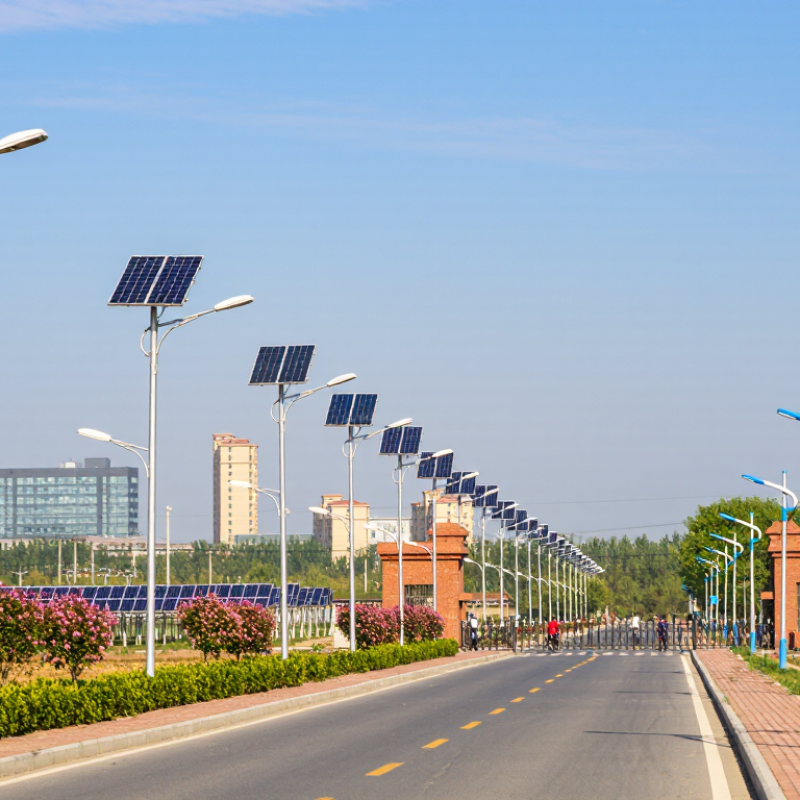
Global buyers should judge a solar street light supplier by evidence, not catalogue brightness.
The IEA’s Renewables 2024 report expects solar PV to provide nearly 80% of new renewable capacity through 2030. That growth makes supplier discipline more important, not less. Ask for audited production records, project references, and documented testing for the exact model offered.
A reliable supplier should explain battery chemistry, usable capacity, winter performance, and replacement procedures. Request photometric files, not only lumen claims. Check compliance with IEC 60598 standards, battery safety requirements, and local electrical rules.
IP66 protection is useful, but enclosure ratings do not prove long-term reliability. Examine salt-spray testing, thermal cycling, controller protection, and warranty exclusions.
Small details matter.
Cost comparisons also need caution. IRENA’s Renewable Power Generation Costs in 2023 reported a roughly 90% decline in utility-scale solar PV costs from 2010 to 2023. However, street-light economics include batteries, poles, installation, maintenance, and logistics.
A cheap quotation may hide weak storage or expensive replacements. Do not trust the brochure alone. I would also question unusually long warranty claims without spare-parts commitments.
Supplier selection is imperfect; field conditions often expose assumptions that laboratory tests miss. Ask how performance data was collected, who verified it, and whether failures were openly recorded.
Evaluating solar street light suppliers requires more than comparing catalog prices. In field inspections, I check the complete lighting system, not only the panel size. Verified lumen output, beam distribution, and mounting height should match the road’s actual needs. A bright lamp can still create dark areas.
Battery quality deserves close attention. Ask for cycle-life data, operating temperature ranges, and protection settings. Examine the controller’s charging performance during cloudy periods. IP and IK ratings should be supported by test reports, not printed claims. Independent certifications also improve confidence, but documents must match the exact model supplied.
Reliable suppliers explain their testing process clearly. They provide samples, installation drawings, spare-part plans, and realistic delivery schedules. Their warranty should define coverage for batteries, LEDs, controllers, and workmanship. I also compare previous projects with similar weather, traffic, and maintenance conditions. Photographs help, but site contacts and performance records are stronger evidence.
Price remains important. However, a low initial quote may hide frequent battery replacement or difficult repairs. A total-cost calculation should include freight, installation, cleaning, and service visits. No supplier scores perfectly. Some offer excellent hardware but weak technical support; others communicate well but provide limited testing evidence. That uncertainty should be recorded, not ignored. A weighted evaluation sheet makes disagreements visible and keeps purchasing decisions practical.
International buyers need more than a low unit price when choosing solar street light suppliers. Reliable suppliers provide tested panels, efficient LEDs, durable batteries, and clear technical documents. They should explain lighting performance under cloudy weather, winter conditions, and high temperatures. Field experience shows that battery quality often determines long-term value. A bright lamp is not enough.
Look for suppliers with export experience and documented quality procedures. Ask for photometric reports, battery cycle data, warranty terms, and installation drawings. Confirm whether products meet the destination market’s electrical and safety requirements. Strong suppliers also offer spare parts, remote support, and practical maintenance guidance. Local language support can prevent expensive misunderstandings. No supplier is perfect. Even a detailed proposal may overlook transport damage or difficult soil conditions.
Tips: Compare complete project costs, not only product prices. Request a sample unit and test its charging performance before placing a large order. Check the controller settings, pole thickness, cable connectors, and battery enclosure carefully.
Speak with previous international customers when possible. Their feedback may reveal slow communication, unclear warranty limits, or inconsistent delivery times. Keep every specification in writing. It protects both sides.
Leading solar street light suppliers now offer all-in-one fixtures, split systems, solar floodlights, and modular roadway units. All-in-one designs combine the panel, battery, controller, and LED lamp in one housing. They simplify installation on remote roads. Split systems allow larger panels and separate battery boxes for demanding sites.
Reliable suppliers usually specify monocrystalline panels, LiFePO4 batteries, MPPT charging, and high-efficiency LEDs. Useful controls include motion sensors, adaptive dimming, and remote monitoring. Look for IP66 protection, impact-resistant housings, and corrosion-resistant aluminum. These details matter near coastlines, dusty highways, and humid communities. Ask for photometric files, battery cycle data, and independent performance tests. Marketing claims are not enough.
Markets served vary widely. African suppliers often design for weak-grid villages, long nights, and difficult maintenance access. Southeast Asian projects may require strong waterproofing and rapid charging during cloudy seasons. Middle Eastern buyers usually prioritize heat resistance, dust protection, and wide-area lighting. Latin American distributors often support municipal roads, parks, and commercial compounds. European projects may demand stricter documentation and smart-city integration. No supplier fits every site. A common mistake is choosing maximum wattage instead of matching light distribution, traffic patterns, and solar yield. I have also seen buyers underestimate battery replacement logistics. That oversight can weaken an otherwise sound project.
Choosing among the 10 best solar street light suppliers requires more than comparing prices. Project conditions should lead the decision. Review solar radiation data, rainy-season performance, road width, mounting height, and expected nightly runtime. A coastal road may need stronger corrosion protection, while a rural path may require simpler maintenance.
Industry data supports careful planning. IRENA’s Renewable Capacity Statistics 2024 reports that solar power represented about 73% of global renewable capacity additions in 2023. This growth increases supplier options, but quality still varies. Ask for independent test reports covering battery safety, photovoltaic output, ingress protection, and operating temperature. Relevant IEC standards can help verify product claims. Do not accept a certificate without checking its scope and issuing laboratory.
Field evidence matters more than attractive brochures. Request installation photos, location details, lighting schedules, and at least two comparable project references. Examine whether the supplier provides photometric files, spare-part availability, remote monitoring, and a clear warranty process. A supplier should explain battery replacement costs, not only the initial package price. The World Bank’s Lighting Global quality framework also emphasizes truthful product information, durability, and consumer protection in off-grid solar markets.
A small pilot is wise. Install several units before approving a full shipment. Measure illumination after cloudy nights, inspect pole foundations, and record battery voltage monthly. This step may delay procurement, but it exposes weak assumptions early. Specifications can look perfect on paper. Real roads are less forgiving.
Anonymized supplier-profile comparison for evaluating solar street-light project compatibility
| Supplier Profile | Best Project Fit | Typical LED Power | Autonomy Range | Solar Panel Range | Battery Configuration | Protection Rating | Typical Warranty | Common Compliance Documents | Typical MOQ | Indicative Lead Time | Key Selection Strength |
|---|---|---|---|---|---|---|---|---|---|---|---|
| Supplier Profile 01 | Urban arterial roads | 60–120 W | 3–5 nights | 180–320 Wp | LiFePO4, 24–48 V | IP66; IK08 or higher | 5 years | IEC test reports, CE documentation, battery safety records | 50–100 sets | 35–55 days | High-output systems with remote monitoring options |
| Supplier Profile 02 | Residential streets | 20–60 W | 2–3 nights | 80–180 Wp | LiFePO4, 12–24 V | IP65; IK08 | 3–5 years | Photometric files, CE documentation, controller specifications | 30–80 sets | 25–45 days | Balanced price, illumination, and installation simplicity |
| Supplier Profile 03 | Rural and off-grid roads | 30–80 W | 4–7 nights | 120–240 Wp | LiFePO4, oversized storage | IP66; IK08 | 5 years | IEC performance reports, battery cycle data, environmental test records | 20–60 sets | 30–50 days | Strong low-sunlight design and extended backup capacity |
| Supplier Profile 04 | Commercial parks and campuses | 40–100 W | 3–5 nights | 120–280 Wp | LiFePO4, modular battery pack | IP65–IP66; IK08 | 5 years | IES or equivalent photometric files, CE documentation, installation manuals | 20–50 sets | 30–45 days | Flexible mounting, dimming schedules, and architectural options |
| Supplier Profile 05 | High-humidity and coastal areas | 40–100 W | 3–5 nights | 150–300 Wp | LiFePO4 with corrosion-resistant enclosure | IP66; IK09 or higher | 5 years | Salt-spray test results, corrosion protection records, IEC reports | 50–100 sets | 40–60 days | Enhanced aluminum treatment and marine-environment durability |
| Supplier Profile 06 | Large municipal projects | 60–150 W | 3–5 nights | 200–400 Wp | LiFePO4, centralized or split battery design | IP66; IK08–IK10 | 5–7 years | Factory audit records, quality plans, photometric files, IEC reports | 100–300 sets | 45–75 days | Production capacity, project documentation, and batch consistency |
| Supplier Profile 07 | Remote monitoring projects | 30–120 W | 3–6 nights | 100–320 Wp | LiFePO4 with smart controller | IP66; IK08 | 5 years | Controller protocols, software documentation, CE documentation | 20–50 sets | 35–55 days | Telemetry, fault alerts, dimming control, and energy reporting |
| Supplier Profile 08 | Cold-climate installations | 40–100 W | 4–6 nights | 150–320 Wp | Low-temperature-rated LiFePO4 | IP66; IK08 | 5 years | Low-temperature test data, battery management specifications, IEC reports | 30–80 sets | 40–60 days | Battery heating or low-temperature charging protection |
| Supplier Profile 09 | Developing-market infrastructure | 20–80 W | 2–4 nights | 80–220 Wp | LiFePO4, replaceable battery module | IP65; IK08 | 3–5 years | Product datasheets, photometric files, CE documentation, spare-parts list | 20–50 sets | 25–45 days | Simple maintenance, accessible spare parts, and competitive logistics |
| Supplier Profile 10 | Premium smart-city corridors | 80–180 W | 4–6 nights | 240–450 Wp | LiFePO4 with intelligent power management | IP66; IK09 or higher | 5–7 years | Full photometric package, EMC records, IEC reports, software API documentation | 50–150 sets | 50–80 days | Advanced controls, high optical performance, and lifecycle support |
Note: The figures represent realistic industry benchmark ranges for supplier evaluation. Final specifications, certifications, warranty terms, pricing, delivery schedules, and compliance documents should be confirmed in the supplier’s formal quotation and technical submittal.
This content is restricted to site members. If you are an existing user, please log in. New users may register … LEARN MORE “Lighting Power & Control-Signal Cable”
We are here to help. You can contact us or create an account online to have access to special products, technical specifications and our new online quote tool.
ELECTRO CABLES
9 Riverside Drive
P.O. Box 276
Trenton, Ontario
CANADA K8V 5R5
N.A. Toll Free: 888-ELECTRO
(1-888-353-2876)
World: 613-394-4896
Fax: 613-394-4101
Email: sale@machinecables.com
We manufacture cables that are certified by the Canadian Standards Association (CSA), listed by Underwriters Laboratories and/or listed by Intertek (ETL).
Our quality management system is registered to ISO 9001: 2015. Our team is dedicated to consistently providing quality service and products to our customers.

© 2025 ELECTRO CABLES • SITE BY SNAP 360•