A partner you can trust
Microgrids are no longer a single, uniform technology. In 2026, they range from solar-and-battery systems serving remote sites to grid-connected networks supporting hospitals, campuses, and factories. Their common purpose is practical: coordinate local power sources, storage, and demand. Some can disconnect during an outage. Others focus on lowering peak demand or integrating renewable energy. The details matter.
In his foundational work on microgrids, engineer Robert H. Lasseter described one as “a cluster of loads and microsources operating as a single controllable system that provides both power and heat.” That definition still helps explain the idea. A microgrid controller can balance rooftop solar, battery storage, generators, and building loads. When the utility supply fails, suitable systems can isolate themselves and continue serving selected equipment. Not every installation can do this. Capabilities depend on design, controls, and operating conditions.
This guide examines the leading types of Microgrid Solution available in 2026, including remote, campus, community, commercial, and industrial systems. It also considers renewable-powered and hybrid configurations, where batteries work alongside other generation sources. A clinic may prioritize uninterrupted power for refrigeration and essential devices. A factory may focus on reliable operations and energy costs. No option wins everywhere. Categories overlap, and the best fit can be less obvious than a product brochure suggests. The comparison ahead looks at what each type does well, where it falls short, and which questions deserve careful review before a project begins.
What Are the Top Types of Microgrid Solutions in 2026?
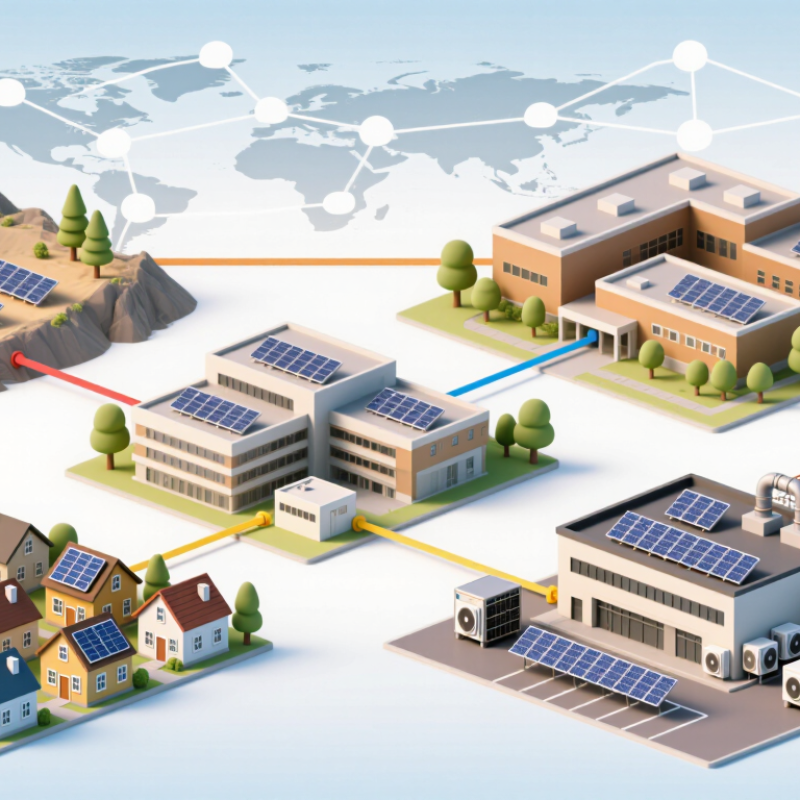
Microgrid solutions are best classified by several features, not by a single label. One key distinction is their relationship with the utility grid. Grid-connected systems can exchange electricity with the wider network, while islandable systems can disconnect and serve local loads during an outage. Remote microgrids operate without a utility connection. This choice affects protection equipment, storage requirements, and plans for restoring power.
Solutions can also be grouped by energy mix and intended use. A system might combine solar panels, batteries, wind turbines, backup generators, and controllable loads. The mix alone does not guarantee reliable islanded operation; weather, fuel access, and battery duration matter. By application, microgrids may serve one facility, a campus, a community, or an industrial site. A hospital may prioritize emergency circuits, while a campus may coordinate buildings, heating, and vehicle charging. Control architecture and ownership add further categories, from central controllers to distributed controls and shared community systems. The boundaries blur. A remote community project, for instance, may fit several categories at once. Labels are useful, but they can hide practical trade-offs. Needs vary sharply. When comparing designs, define which loads must remain powered, for how long, and under what operating conditions.
Classification by grid-connection mode
Grid-connected systems operate in parallel with the utility grid. Islandable systems can operate both in parallel and independently after disconnecting from the grid. Remote or off-grid microgrids operate independently of a utility connection. Bars count these connection modes; they do not represent market share or deployment totals.
Grid-connected microgrids balance local energy resources with the wider utility network. A campus might combine rooftop solar, battery storage, backup generators, and controllable building loads. The microgrid controller can shift battery charging to sunny hours, then discharge during an evening peak. It may also adjust selected loads when electricity prices rise or the grid requests support. Flexible, not magical.
This arrangement gives operators more choices without requiring every building to run independently. During normal conditions, a site can import power, export surplus energy where permitted, or reduce demand. If an outage occurs, the microgrid can keep critical equipment running only if it has suitable controls, protection, and islanding capability. That distinction matters. A connected system is not automatically a resilient one.
Good planning starts with interval energy data, critical-load lists, and realistic operating goals. A hospital, for example, may prioritize refrigeration and essential clinical equipment, while shifting nonurgent heating or charging. Forecasts help, but cloud cover and changing occupancy can upset a tidy schedule. I would treat those forecasts as useful estimates, not promises. Operators also need clear procedures for reconnecting safely after an outage and reviewing performance over time.
An islanded microgrid operates without relying on the main utility grid. It combines local generation, energy storage, control equipment, and connected loads. When an outage occurs, protective systems separate the site from the grid and keep selected circuits energized. A clinic might prioritize refrigeration, lighting, and essential medical equipment. The office coffee machine can wait.
These systems suit remote communities, industrial sites, and facilities where interruptions carry serious costs. Solar panels can reduce fuel use, while batteries help balance short-term changes in supply and demand. Backup generators may provide power during extended cloudy periods or heavy loads. The right mix depends on local weather, fuel access, maintenance skills, and how much demand the site can shed. There is no universal template.
Careful planning matters more than impressive equipment. Engineers need to measure real load patterns, test islanding controls, and define how the system restarts after a shutdown. Battery capacity should reflect actual operating needs, not optimistic estimates. Even then, independence has limits: equipment can fail, and stored energy can run low. A polished design may still overlook a dusty generator filter or a technician’s limited time. Those ordinary details deserve attention.
What Are the Top Types of Microgrid Solutions in 2026?
Hybrid Renewable Microgrids with Energy Storage
Hybrid renewable microgrids combine local solar or wind generation with battery storage and intelligent controls. During sunny hours, rooftop panels can power nearby buildings and charge batteries. After sunset, stored energy can support lighting, refrigeration, or essential equipment. The system can also disconnect from the main grid during an outage, if designed and tested for islanded operation. That capability depends on suitable inverters, protection equipment, and careful commissioning.
Good design starts with real energy-use data. A clinic, for example, may need reliable power for vaccine refrigerators, even when overall demand is low. Engineers can compare hourly load profiles with local weather records to size generation and storage. Batteries help balance short-term fluctuations, but they are not an unlimited reserve. Extended cloudy periods may still require demand management or another dependable energy source. The design is rarely perfect; changing usage and maintenance needs can expose assumptions that looked sound on paper.
Tips: Track energy use by hour before choosing equipment. Identify critical loads and test islanding procedures regularly. Leave room for future demand, but avoid oversizing batteries without a clear use case.
| Microgrid Type | Typical Energy Sources | Role of Energy Storage | Common Applications | Key Strengths | Main Design Considerations |
|---|---|---|---|---|---|
| Solar-Plus-Storage Microgrid | Solar photovoltaic panels, battery storage, and often a grid connection or dispatchable backup generator. | Stores surplus daytime solar power for evening use, helps balance short-term changes in solar output, and can provide backup power when configured for islanded operation. | Commercial buildings, campuses, community facilities, and sites with good solar exposure. | Modular design, low operating emissions during solar generation, and reduced dependence on grid electricity. | Solar availability varies with weather and time of day. System sizing should reflect load patterns, seasonal conditions, backup requirements, and battery limits. |
| Solar-Wind-Battery Microgrid | Solar photovoltaic panels, wind turbines, battery storage, and optional dispatchable backup generation. | Balances mismatches between renewable generation and demand; can absorb excess generation and support the system during periods of low renewable output. | Remote communities, islands, agricultural sites, and locations with complementary solar and wind resources. | Combines two variable renewable resources that may produce at different times, potentially reducing reliance on fuel-based generation. | Wind resource, turbine siting, permitting, maintenance access, and seasonal generation patterns require site-specific assessment. |
| Solar-Battery-Diesel Hybrid Microgrid | Solar photovoltaic panels, battery storage, and diesel generators. | Provides fast-response balancing, stores solar energy, and can reduce generator runtime when renewable generation and stored energy are available. | Remote facilities, islands, mining operations, and other sites where grid access is limited or unavailable. | Combines renewable generation with dispatchable backup, supporting continuity of supply when solar output is low. | Fuel delivery and generator maintenance remain important. Controls must coordinate renewable output, battery operation, generator loading, and reserve capacity. |
| Wind-Battery Microgrid | Wind turbines, battery storage, and, where needed, a grid connection or dispatchable backup source. | Helps smooth short-term changes in wind generation, stores excess energy, and supports local loads when wind output declines. | Coastal communities, rural sites, islands, and locations with suitable and consistent wind resources. | Can make use of strong local wind resources and diversify generation when paired with other sources. | Wind measurements, turbine placement, noise and land-use constraints, maintenance logistics, and low-wind periods affect project design. |
| Small-Hydropower Hybrid Microgrid | Run-of-river or small hydropower, solar or wind generation, and battery storage; backup generation may also be included. | Provides short-duration balancing and helps manage changes in demand or renewable output. The hydropower resource may provide a more controllable supply where water flow permits. | Rural communities and facilities near suitable streams or existing small-hydropower infrastructure. | Can combine a local water resource with variable renewables and storage to diversify supply. | Water flow is seasonal and site-specific. Water rights, ecological impacts, civil works, and permitting must be evaluated. |
| Grid-Connected Renewable Microgrid | Local solar and/or wind generation, battery storage, and a connection to the wider electricity grid. | Shifts energy use, supports local balancing, and may provide backup during a grid outage if the system is designed and equipped to operate independently. | Hospitals, campuses, industrial facilities, commercial districts, and community energy systems. | Can combine local generation and storage with grid-supplied electricity; some designs can separate from and reconnect to the grid. | Islanded operation requires suitable controls, protection, switching, and interconnection arrangements. Capabilities depend on system design and local rules. |
| Renewable Microgrid with Long-Duration Storage | Solar and/or wind generation with batteries, thermal storage, pumped storage, or hydrogen-based storage, depending on the project. | Stores energy for longer periods than typical short-duration balancing applications, subject to the storage technology and system design. | Sites with extended periods of low renewable output, remote energy systems, and facilities seeking longer backup or energy-shifting capability. | Broadens storage options beyond short-duration battery applications and can support longer energy-management periods. | Technologies differ in efficiency, response time, duration, cost, safety requirements, and infrastructure needs; feasibility must be assessed for each site. |
Note: These are common microgrid configurations, not a universal ranking. The appropriate design depends on local renewable resources, load profile, reliability targets, grid access, fuel availability, site constraints, and applicable regulations. Energy storage improves flexibility but does not, by itself, guarantee uninterrupted power.
In 2026, community microgrids are designed around shared needs: keeping clinics, shelters, water pumps, and cooling centers powered during outages. A neighborhood system might pair rooftop solar with a battery in a municipal building. Controls can reserve stored energy for essential loads when the wider grid fails. Local planning matters as much as equipment. Residents need clear rules about priorities, maintenance, and costs. That conversation can be difficult.
Commercial microgrids serve offices, campuses, hotels, and shopping centers. Their goals often include reducing peak demand and maintaining selected services during grid interruptions. A campus could coordinate solar canopies, battery storage, building controls, and electric vehicle charging. Performance depends on accurate load data and regular testing, not just installed capacity. A battery sized from one busy season may disappoint during another. Still, no design is perfect.
Industrial microgrids address larger, more demanding loads in factories, cold-storage sites, and processing facilities. They may combine on-site generation, storage, and fast controls to support equipment with strict power-quality needs. Engineers must identify which processes can pause and which cannot. A brief voltage dip can disrupt production, even when lights remain on. Protection settings, fuel availability, and safe islanding procedures need careful review. The details are unglamorous, but they shape reliability.
This content is restricted to site members. If you are an existing user, please log in. New users may register … LEARN MORE “Lighting Power & Control-Signal Cable”
We are here to help. You can contact us or create an account online to have access to special products, technical specifications and our new online quote tool.
ELECTRO CABLES
9 Riverside Drive
P.O. Box 276
Trenton, Ontario
CANADA K8V 5R5
N.A. Toll Free: 888-ELECTRO
(1-888-353-2876)
World: 613-394-4896
Fax: 613-394-4101
Email: sale@machinecables.com
We manufacture cables that are certified by the Canadian Standards Association (CSA), listed by Underwriters Laboratories and/or listed by Intertek (ETL).
Our quality management system is registered to ISO 9001: 2015. Our team is dedicated to consistently providing quality service and products to our customers.

© 2025 ELECTRO CABLES • SITE BY SNAP 360•