Top 10 Types of Wire and Cable You Need to Know?
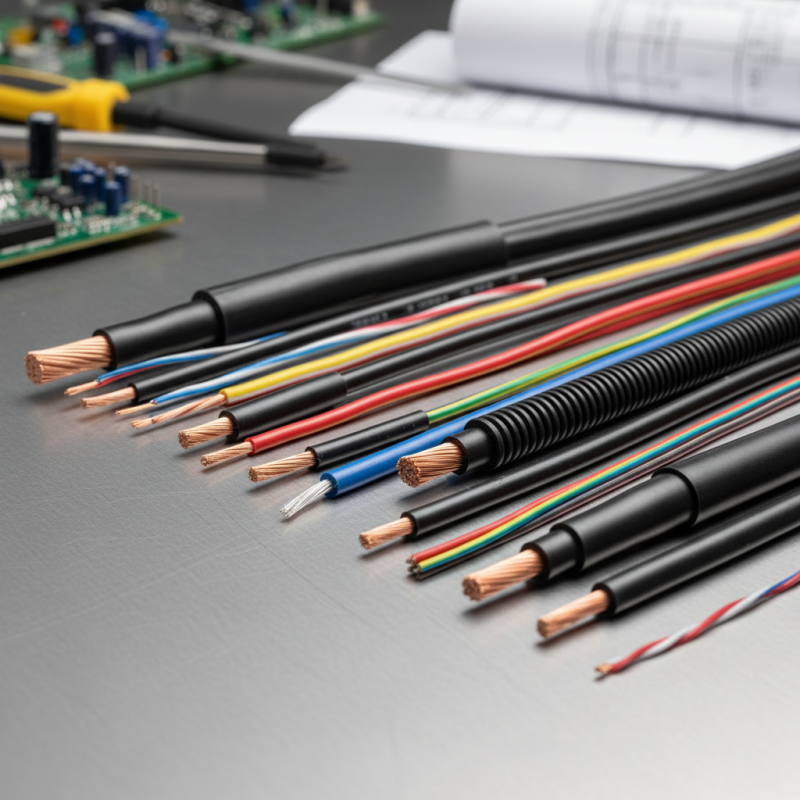
Understanding the different types of wire & cable is crucial in various industries. These components play a vital role in electrical systems. Knowing their specifications can help you choose the right materials for your projects.
There are numerous types of wire & cable, each designed for specific applications. For instance, you might require a flexible wire for home wiring or a robust cable for outdoor use. Consider the distinctions carefully. Choosing the wrong type can lead to safety hazards or inefficient performance.
In this overview, we will explore the top ten types of wire & cable. Each type has unique characteristics that make it suitable for particular situations. You might find yourself using a type you haven’t considered before. It’s essential to be aware of these options and their implications in everyday life.
Types of Wires: Understanding Conductors and Insulators
Wires and cables are essential for electrical systems. Understanding the difference between conductors and insulators is key. Conductors are materials that allow electricity to flow easily. Common conductors include copper and aluminum. They are used in most electrical wiring.
Insulators, on the other hand, prevent the flow of electricity. Materials like rubber and plastic serve this purpose. They are crucial for safety, protecting users from electric shocks. Often, cables are covered with insulative materials to ensure safe handling.
Choosing the right wire or cable is paramount. Not all conductors are created equal. Different types perform better in specific situations. A wrong choice can lead to overheating or even fires. It’s essential to consider the environment and usage. What may work in one scenario might fail in another. Each type has its strengths and weaknesses, demanding careful evaluation.
Common Electrical Cables: Features and Applications Explained
When it comes to electrical cables, understanding their features and applications is crucial. For example, standard copper wire is popular for general wiring tasks. It offers excellent conductivity and flexibility. However, a notable downside is its susceptibility to corrosion over time, especially in humid environments.
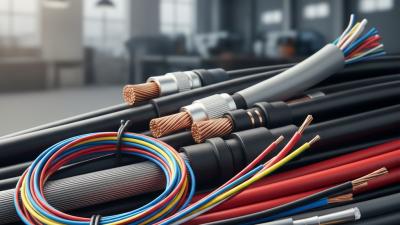
Another essential type is the insulated wire. This wire is often used in residential projects due to its safety features. Insulated cables prevent short circuits and are available in multiple colors for easy identification. Yet, improper handling of these wires can lead to insulation damage, posing risks.
Tips: Always ensure that wires are correctly rated for their intended use. Misusing wires can lead to failures that are costly to fix.
Last but not least, fiber optic cables shine in high-speed data transmission. They can transmit information over long distances without signal loss. However, they require specialized installation techniques, which adds complexity. Users must be wary of the high costs involved in setting up these systems.
Like any electrical component, cables require proper maintenance and understanding. Awareness of their limitations is just as essential as their capabilities.
Top 10 Types of Wire and Cable You Need to Know
Specialty Wires: What Makes Them Unique and When to Use Them
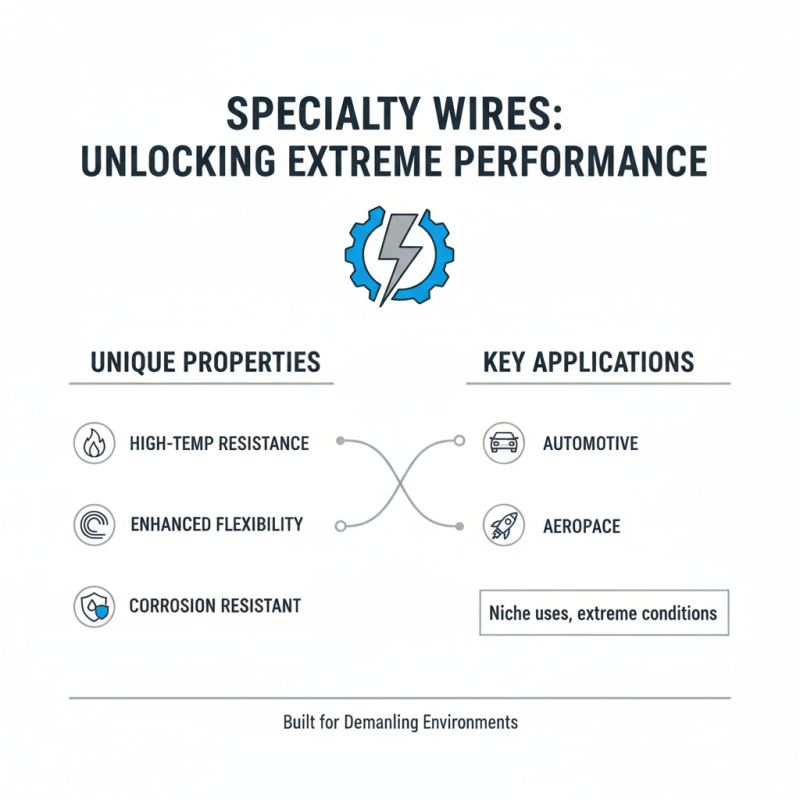
When it comes to specialty wires, they stand out due to their unique properties. Ranging from high-temperature capabilities to enhanced flexibility, these wires serve niche applications. For instance, automotive and aerospace industries rely heavily on them. These fields often experience extreme conditions. Regular wires simply won’t do the job.
Using the right specialty wire is crucial. For example, marine-grade wire is essential for boats. It prevents corrosion caused by saltwater. In contrast, silicone-insulated wire is flexible and heat-resistant. It’s ideal for tight spaces. Still, many people overlook specific ratings. Just because a wire looks sturdy doesn’t mean it's suitable for your project.
People often hesitate to invest in specialty wires. The initial cost might seem high, but the long-term benefits are worth it. Protecting your equipment and ensuring reliability are priceless. Furthermore, the examples of failure in DIY projects often stem from improper wire choices. Reflecting on these experiences can be beneficial. Understanding what makes these wires unique can lead to better decisions moving forward.
Comparing Wire Sizes: Importance of Gauge in Electrical Projects
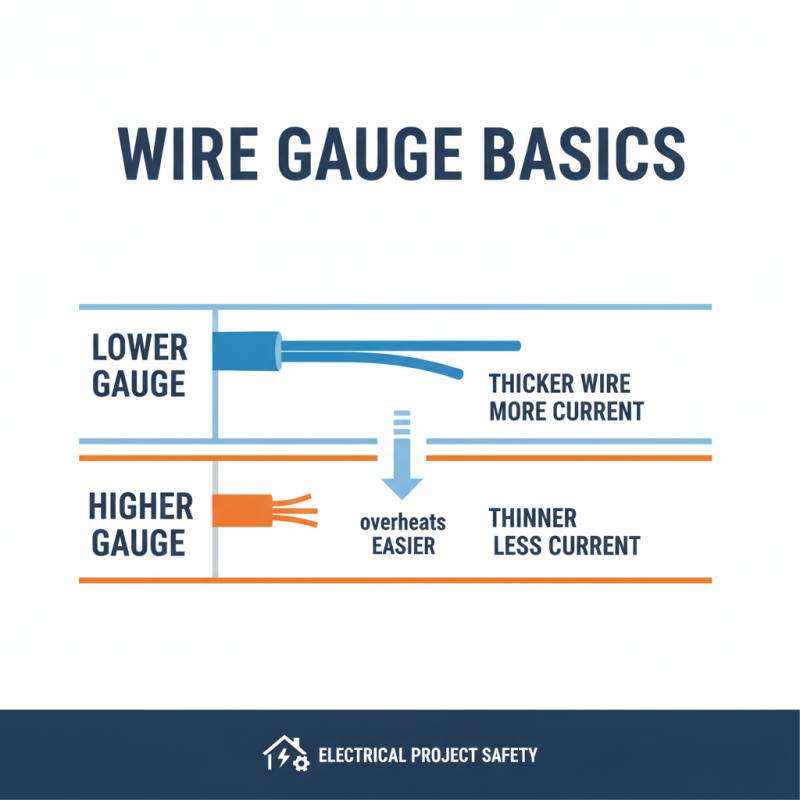
Understanding wire gauge is crucial for any electrical project. The gauge determines the wire's current-carrying capacity. Lower gauge numbers indicate thicker wires, while higher numbers indicate thinner wires. For example, a 12-gauge wire is thicker than a 16-gauge wire. Thicker wires can handle more current, reducing the risk of overheating.
Choosing the correct gauge affects performance. Using a wire that is too thin can lead to voltage drop and potential hazards. Inadequate wire can even cause electrical fires. It's vital to consider the load requirements. If you're unsure, it's wise to consult reliable resources or professionals.
Not everyone grasps the importance of testing the wire size. Sometimes, people rely on assumptions instead of measurements. This oversight can result in faulty connections. Properly sized wires ensure efficiency and safety. It’s an easy detail to overlook, yet it crucially impacts the project’s success.
Safety Standards: Ensuring Compliance in Wire and Cable Use
When working with wires and cables, safety standards are critical. They help ensure that materials used can withstand designated loads and environmental conditions. Compliance with these standards reduces the risk of accidents. Regular inspections should be part of maintaining safety. Neglecting these can lead to serious issues.
Another key aspect is proper installation. It is not just about choosing the right wire; it’s also about how you use it. Poor installation may lead to short circuits or electrical fires. Many overlook the importance of grounding. This is essential for safe operation.
Training on safety standards is vital for everyone involved. Understanding the specific requirements is crucial. Not all cables are suitable for every application. Knowing the difference can prevent costly mistakes. Regular updates to training materials can also be beneficial. However, it is challenging to keep everyone consistently informed.