Electro Cables
Login

What Is a Vane Pump and How Does It Work?

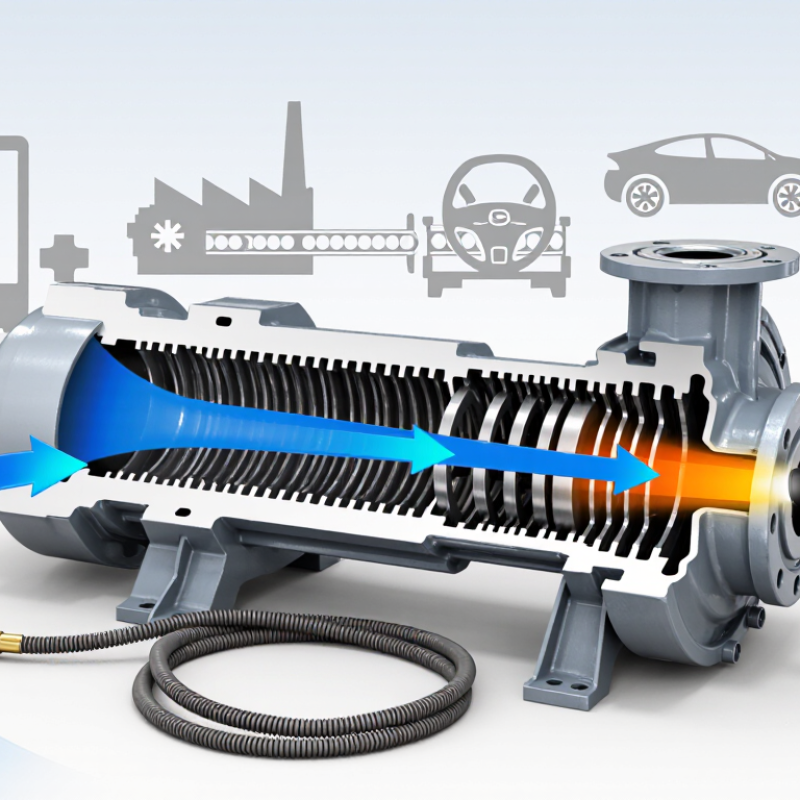
A Vane Pump is a compact hydraulic machine that converts shaft rotation into controlled fluid flow. It appears in mobile equipment, manufacturing systems, power steering units, and industrial lubrication circuits. Inside its housing, a rotor turns inside a carefully shaped cam ring. Sliding vanes move through rotor slots. They maintain contact with the ring while creating expanding and contracting chambers.

Hydraulics author Andrew Parr explains the basic principle clearly: “A positive displacement pump moves a definite volume of fluid for each cycle.” This idea helps readers understand why a Vane Pump can deliver smooth flow at moderate pressure. As the chambers expand, they draw hydraulic oil through the inlet. As they shrink, they push the oil toward the outlet. The process feels simple. It is not always simple in practice.

Small clearances matter. Dirty oil can scratch the cam ring, restrict vane movement, and reduce volumetric efficiency. Excessive heat can thin the fluid and weaken internal sealing. During field inspections, technicians often check noise, pressure stability, oil condition, and shaft alignment. These details reveal problems before a complete failure occurs. Still, no pump diagnosis is perfect from sound alone. A quiet pump may hide wear, while a noisy pump may suffer from poor installation. This article will examine the structure, working cycle, advantages, limitations, and maintenance requirements of a Vane Pump. It will also question common assumptions about efficiency, pressure capability, and service life.
What Is a Vane Pump and How Does It Work?

What Is a Vane Pump?

What Is a Vane Pump?

A vane pump is a positive-displacement pump that moves fluid with sliding vanes. Its main parts include a rotor, vanes, housing, inlet, and outlet. The rotor sits slightly off-center inside the housing. As it turns, centrifugal force or spring pressure pushes the vanes against the inner surface. Small chambers form between the vanes. These chambers grow near the inlet and draw in fluid. They shrink near the outlet and force fluid into the system. Pressure follows the changing chamber volume.

This design provides steady flow for hydraulic equipment, lubrication systems, and industrial machinery. It can operate quietly when the fluid is clean and the internal clearance is correct. However, vane pumps are not immune to wear. Contaminated oil can scratch surfaces, weaken vane movement, and reduce efficiency. In practical inspections, unusual noise, heat, or slow actuator movement may signal trouble. Still, one symptom rarely proves one cause. The simple model is useful, but real pump behavior is less forgiving.

Tips: Use the fluid recommended by the equipment designer. Check filters and fluid levels regularly. Watch for air bubbles, leaks, and rising temperature. A pressure reading should be compared with the machine’s service specifications. Never assume a worn vane pump needs replacement immediately; testing can reveal whether contamination, alignment, or incorrect pressure is responsible.

What Are the Main Components of a Vane Pump?

A vane pump is built around a few precise parts. The housing contains the working chamber, while the shaft turns a slotted rotor. Sliding vanes sit inside those slots and press against a cam ring. Inlet and outlet ports guide the fluid through the pump.

As the rotor turns, chamber volume increases near the inlet and decreases near the outlet. That change creates suction and pressure. Small clearances matter. Bearings support the shaft, while seals prevent leakage and protect the fluid from contamination. Some designs also include pressure-compensating controls for changing system demand.

The U.S. Department of Energy’s pumping-system guidance cites estimates that pumps consume nearly 20% of global electricity. Its assessment tools also identify potential energy savings of 20–50% in poorly optimized systems. These figures are not specific to vane pumps, but they explain why component condition matters.

A worn vane can reduce volumetric efficiency and raise heat. A damaged cam ring may create noise, vibration, and unstable pressure. In field inspections, technicians often check oil cleanliness, vane movement, shaft alignment, and seal wear together. ISO 4406 cleanliness ratings help describe particle contamination in hydraulic fluid. Yet the rating alone cannot reveal every failure risk. Real systems age unevenly. Temperature, load cycles, and installation quality can change performance faster than a datasheet suggests.

How Does a Vane Pump Work Step by Step?

A vane pump converts rotating motion into fluid flow and pressure. Its rotor sits slightly off-center inside a close-fitting chamber. Several sliding vanes rest in radial slots around the rotor. As the shaft turns, centrifugal force, springs, or fluid pressure push the vanes outward. Each vane touches the chamber wall, forming sealed pockets.

Here is the working sequence. At the inlet, the pockets expand and create lower pressure. Fluid then enters from the reservoir or supply line. Rotation carries the trapped fluid around the chamber. Near the outlet, the space becomes smaller. That reduction forces fluid into the discharge line. Pressure depends on downstream resistance, not only shaft speed. Seals between the vanes, rotor, and housing limit internal leakage. Clearance matters greatly. If it becomes excessive, flow weakens and heat rises.

Real systems are less perfect. Cold fluid may move slowly, while contaminated fluid can score surfaces or make vanes stick. Technicians should check noise, temperature, pressure, and flow together. One symptom can mislead diagnosis. A careful inspection often reveals a restricted inlet, worn vanes, or incorrect fluid viscosity.

Tips: Keep the inlet line short and clean. Use the specified fluid viscosity. Inspect filters before blaming the pump. Never run the unit dry, even briefly. That mistake can damage contact surfaces quickly.

What Are the Different Types of Vane Pumps?

Vane pumps use sliding blades, called vanes, to move fluid through a rotating chamber. Their designs differ mainly by displacement, pressure balance, and control method. Understanding these differences helps engineers match a pump to the machine, fluid, and duty cycle.

Fixed-displacement vane pumps deliver nearly the same volume during each revolution. They are simple, compact, and common in lubrication units and hydraulic circuits with steady demand. Variable-displacement pumps can change output while running. A control ring shifts the vane chamber’s geometry, reducing flow when the system needs less oil. This can lower heat and energy loss, but the control mechanism requires careful maintenance.

Vane pumps are also described as balanced or unbalanced. In an unbalanced design, hydraulic pressure pushes strongly against the shaft and bearings from one side. This arrangement is economical, but continuous high-pressure service may increase wear. A balanced pump uses pressure zones positioned more evenly around the rotor. It can run more smoothly under demanding conditions. Some pumps use single-stage construction, while others combine stages for higher flow or pressure.

The choice is not always obvious. A fixed pump may suit a stable process, while a variable pump may perform better where demand changes frequently. Noise often follows. Worn vanes, contaminated fluid, or incorrect clearance can cause whining and reduced output. In field inspections, technicians should check oil cleanliness, temperature, shaft alignment, and pressure readings before blaming the pump type. A tidy classification chart cannot replace those measurements.

Where Are Vane Pumps Used and What Are Their Advantages?

A vane pump uses a rotor fitted with sliding vanes inside a close-fitting chamber. As the rotor turns, the vanes move outward and create expanding spaces that draw in fluid. Those spaces then shrink, pushing the fluid toward the outlet. This simple action produces a steady flow with relatively low pulsation.

Vane pumps are common in hydraulic power units, machine tools, lifting equipment, and mobile machinery. They also serve in fuel transfer, lubrication, and vacuum applications. Their compact design fits neatly into crowded equipment. Many models operate quietly, which helps in factories and indoor work areas. They can deliver smooth flow at moderate pressures, supporting accurate actuator movement. Maintenance is also straightforward when the fluid remains clean and suitable.

But no pump is perfect. Contamination can scratch the chamber and wear the vanes quickly. Low fluid viscosity may increase internal leakage, especially at higher temperatures. Field technicians often check filters, fluid condition, shaft alignment, and unusual noise before blaming the pump. A vane pump may perform well for years under stable conditions, yet poor installation can shorten its life dramatically. This point is easy to overlook. Engineers should match displacement, pressure, speed, and fluid viscosity to the actual duty cycle. Otherwise, a quiet pump can still deliver disappointing efficiency and costly downtime.

What Is a Vane Pump and How Does It Work?

A vane pump is a positive-displacement pump in which sliding vanes move inside an eccentrically positioned rotor. As the rotor turns, the chambers expand to draw in fluid and contract to discharge it. Vane pumps are valued for smooth flow, relatively low noise, compact construction, and good efficiency in clean hydraulic systems.

The chart shows the calculated delivery of a vane pump at 1,500 rpm with 90% volumetric efficiency. Flow is estimated using: Flow = displacement × rotational speed × volumetric efficiency.

Vane pumps are commonly used in industrial power units, machine tools, injection-molding equipment, mobile hydraulic systems, automotive hydraulic circuits, and aircraft hydraulic systems. Their main advantages are steady flow, low pulsation, compact size, and comparatively quiet operation. Clean fluid and proper filtration are important because vane tips and rotor surfaces are precision components.

Lighting Power & Control-Signal Cable

This content is restricted to site members. If you are an existing user, please log in. New users may register … LEARN MORE “Lighting Power & Control-Signal Cable”