
Electro Cables
Login

What Is a Shipping Tarp Used For?

A Shipping Tarp is more than a sheet pulled over a load. It is a practical barrier between cargo and the changing conditions of a journey. On a flatbed, it can help shield lumber from rain, keep dust off equipment, or reduce direct sun exposure on boxed goods. The exact protection depends on the tarp’s material, condition, and fit. No cover can make every load safe in every kind of weather.

Picture a tarp stretched over a pallet of building supplies. Its edges are secured, the fabric lies close to the load, and there are no loose corners snapping in the wind. Those details matter. A poorly fitted tarp may flap, shift, or collect water, while worn seams and damaged grommets can weaken its performance. Before a trip, check the tarp and tie-down points, and follow the product maker’s instructions. Small checks help.

Shipping tarps come in different weights, sizes, and materials, so the right choice depends on the cargo and route. A breathable cover may suit some items, while other loads need stronger resistance to moisture or abrasion. It is tempting to think one heavy tarp solves everything. It does not. Understanding what a shipping tarp is used for—and what it cannot do—helps people protect cargo more thoughtfully, reduce avoidable damage, and choose a cover that fits the job.
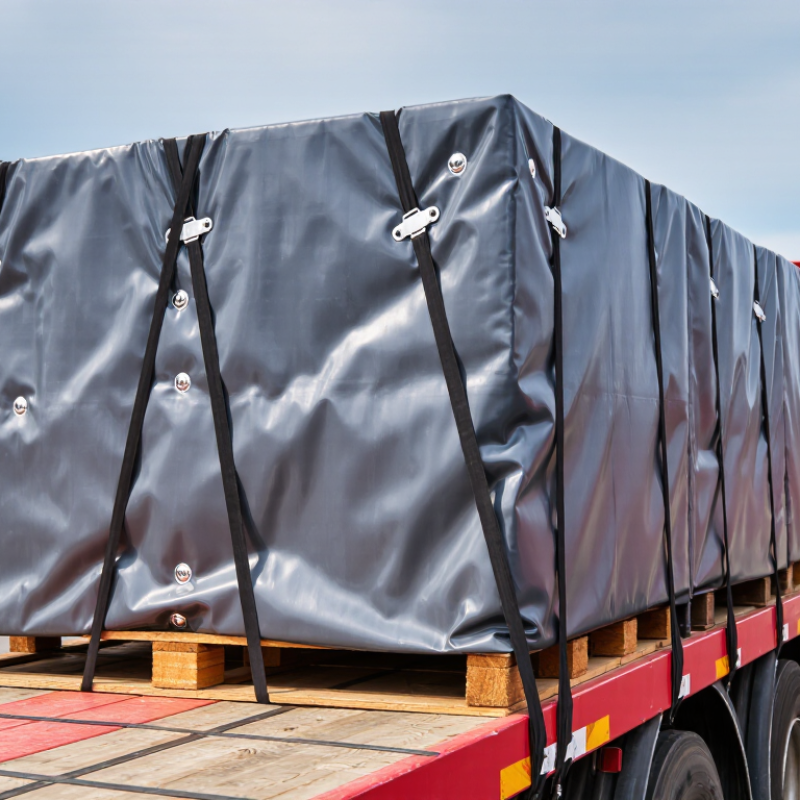
What Is a Shipping Tarp Used For?

Types of Cargo Commonly Covered by Shipping Tarps

Shipping tarps commonly cover lumber, plywood, pipes, and other building materials moving by truck. They help shield loads from rain, road spray, dust, and sunlight. Steel beams and bundled metal stock may also be tarped to reduce exposure during transit. For machinery, a tarp can protect exposed surfaces from grime and light moisture. It should not press against delicate parts or trap condensation. Palletized goods and bagged materials may need coverage too, especially when packaging could tear or absorb water. Hay bales and some agricultural loads are covered in suitable conditions, though airflow matters. One detail is easy to miss: a tarp does not secure cargo. Proper blocking and tie-downs still matter.

Tips: Choose a tarp large enough to cover the load without dragging on the road. Check its condition before use; small tears can spread under wind pressure. Keep sharp corners from rubbing through the fabric with padding. Tighten straps evenly, then recheck them after the load settles. For damp cargo, consider whether trapped moisture could cause damage. Tarps help, but they are not a perfect seal.


How Shipping Tarps Protect Loads During Transit

A shipping tarp shields cargo from rain, road spray, dust, and wind during transit. It also helps reduce scuffs from loose straps or light contact with nearby freight. The right coverage depends on the load: a flatbed carrying lumber needs a different fit from a palletized machine part. The tarp should cover exposed surfaces without dragging near the road or blocking required visibility.

A close fit matters. Creases can collect water, while loose edges may flap and wear against the load. Small gaps matter. Secure the tarp with suitable tie-downs, distributing tension across the load rather than pulling hard at one point. Check corners and edges, especially where sharp or rough surfaces could cause tears. Padding vulnerable contact points can help, but a tarp is not a substitute for proper cargo securement.

Before departure, inspect the cover for holes, worn seams, and loose fasteners. Recheck it after a long stop or in strong winds, when shifting cargo can change the tension. Even experienced crews can miss a small opening beneath a folded edge. A tarp reduces exposure; it cannot guarantee dry cargo in every storm or compensate for poor loading. That distinction is easy to overlook.

What Is a Shipping Tarp Used For? - How Shipping Tarps Protect Loads During Transit

Tarp Type Typical Loads How It Protects the Load Common Material Features Important Use Considerations
Lumber tarp Lumber and other long, stacked building materials on flatbed trailers Covers the top and sides of the stack to help shield it from rain, road spray, and dirt during transit. Often made from coated, water-resistant fabric; some designs include drops or flaps to cover exposed ends. Choose a size that covers the load without dragging. Secure all tie-down points and avoid trapping moisture against cargo that needs ventilation.
Steel tarp Steel coils, plate, pipe, and other compact metal loads Provides a cover against precipitation, road grime, and some surface contamination. Typically shorter than a lumber tarp, with reinforced edges and attachment points for tie-downs. Use edge protection where straps or tarp fabric contact sharp metal. A tarp does not replace proper cargo securement or moisture-control measures required for the shipment.
Machinery tarp Equipment, machinery, and irregularly shaped freight Helps keep rain, dust, and road spray away from exposed surfaces, controls, and components. May use heavier fabric and reinforced corners to accommodate bulky shapes and repeated handling. Allow clearance around delicate parts, exhausts, and moving components. Secure the cover so it cannot flap, abrade surfaces, or obstruct required lights and markings.
General-purpose flatbed tarp Palletized goods, packaged materials, and mixed freight suitable for open-deck transport Creates a protective barrier against weather and airborne debris when properly fitted and secured. Available in different fabric weights, sizes, and edge configurations; water resistance varies by construction and condition. Check the tarp for holes, worn seams, and damaged grommets before use. Match the cover to the cargo, route, and expected weather.
Mesh tarp Loads that need airflow or debris containment, such as certain bulk materials Allows air to pass through while helping contain material and reduce exposure to larger debris. Open-weave fabric; it is generally not a waterproof cover. Do not use it when the cargo needs protection from rain or fine dust. Confirm that the material and coverage meet applicable load and transport requirements.

A shipping tarp is a protective cover, not a substitute for rated tie-downs, edge protection, or other required cargo-securement equipment. Inspect the tarp and its attachment points before each trip.

Transport Settings Where Shipping Tarps Are Used

What Is a Shipping Tarp Used For?
Transport Settings Where Shipping Tarps Are Used

Shipping tarps protect freight from rain, road spray, dust, and sun during transport. On flatbed trucks, they commonly cover lumber, machinery, bundled pipes, or palletized goods. A well-fitted tarp helps shield exposed loads as vehicles cross open highways, where wind can lift loose edges. It does not secure cargo by itself. Straps and other approved restraints must hold the load in place.

Tarps also serve freight moving through rail yards, ports, and temporary transfer areas. A covered load can face blowing dust, brief showers, or grime while waiting between vehicles. In construction transport, tarps help keep loose materials contained and reduce exposure to weather. Conditions vary, though. A tarp that works for a short local trip may not suit a long journey in strong wind or heavy rain. Check its material, size, and condition before use.

Tips: Pull the tarp evenly over the load, then secure every edge. Check for worn seams or small tears. Leave no loose flaps. After a wet trip, let the tarp dry before storing it; I would not assume a quick shake removes trapped moisture.

What Is a Shipping Tarp Used For?

Common transport settings where tarps protect exposed loads

Bars count three common protection functions: shielding loads from precipitation, airborne dust or debris, and direct sun. A tarp can serve these roles on flatbed trucks, open rail wagons, open-top containers, deck cargo, and heavy-equipment hauls. Counts are an illustrative comparison of typical uses, not measured usage statistics; the specific protection needed depends on the load and route.

Tarp Materials and Features for Different Cargo Needs

A shipping tarp protects cargo from rain, road spray, dust, and sun during storage or transit. Material choice depends on the load and handling conditions. Woven polyethylene is light and easy to manage, making it useful for general weather protection. Heavier vinyl-coated polyester resists abrasion and repeated handling, but it takes more effort to lift and secure. Canvas allows more airflow, though untreated canvas may absorb water. No material suits every load.

Look beyond the fabric. Reinforced hems, sturdy grommets, and reinforced corners help a tarp hold tension without tearing as easily. UV resistance can matter for cargo left outdoors, while a suitable size helps prevent flapping edges. Check the seams and tarp condition before use; small holes can let water reach cartons or metal parts. Add padding over sharp corners. A tightly covered load can still trap moisture, so ventilation may be important for some cargo.

Tips: Match the tarp to the cargo’s weight, shape, and exposure time. Secure it evenly, but avoid overtightening around fragile edges. Check it after the first stretch of travel, since straps can loosen and the cover may shift. Fit matters. A costly, heavy tarp is not automatically the better choice.

Safe Tarping Practices and Common Limitations

A shipping tarp shields cargo from rain, road spray, dust, and sun during transport. Its protection depends on the tarp, the load, and how securely everything is arranged. A loose corner can flap hard in the wind, while a sharp crate edge may wear through fabric. Smooth exposed edges with suitable padding before covering the load.

Check the tarp for tears, weakened seams, and worn attachment points before each trip. Center it so the cargo is covered, then secure it to approved tie-down points with suitable straps. Keep straps snug, but avoid pulling them across fragile goods. Small details matter. After a short distance, stop somewhere safe and check for shifting, slack, or rubbing.

A tarp is not a substitute for proper cargo restraints, and it cannot guarantee a completely dry load. Seams and pooled water may let moisture through; tightly covered goods can also trap condensation. Strong crosswinds can strain both tarp and fastenings, especially when the cover billows. Keep required lights, reflectors, and driver visibility unobstructed, and follow the vehicle’s operating guidance. Even careful tarping has limits, so weather-sensitive cargo may need a more suitable enclosed transport option.

Article Source:

Lighting Power & Control-Signal Cable

This content is restricted to site members. If you are an existing user, please log in. New users may register … LEARN MORE “Lighting Power & Control-Signal Cable”